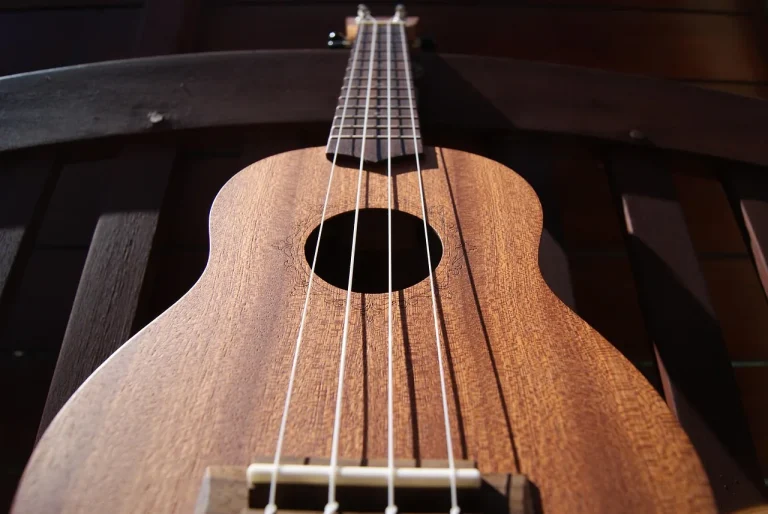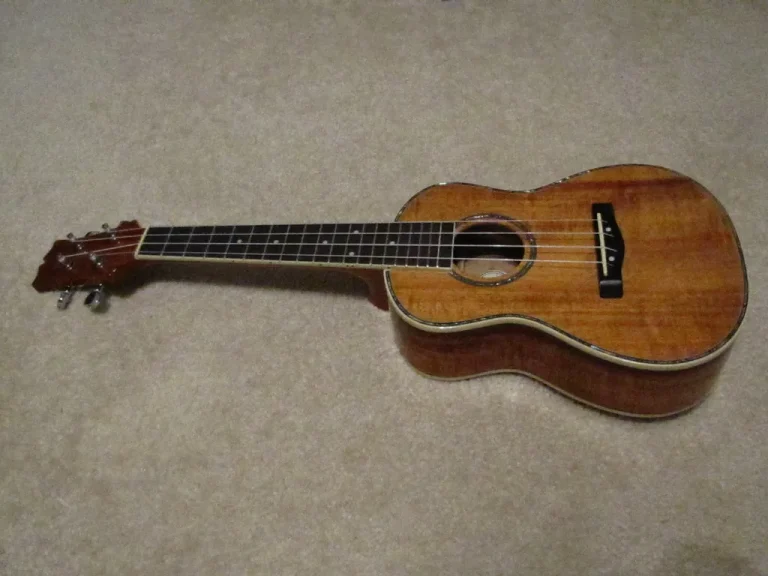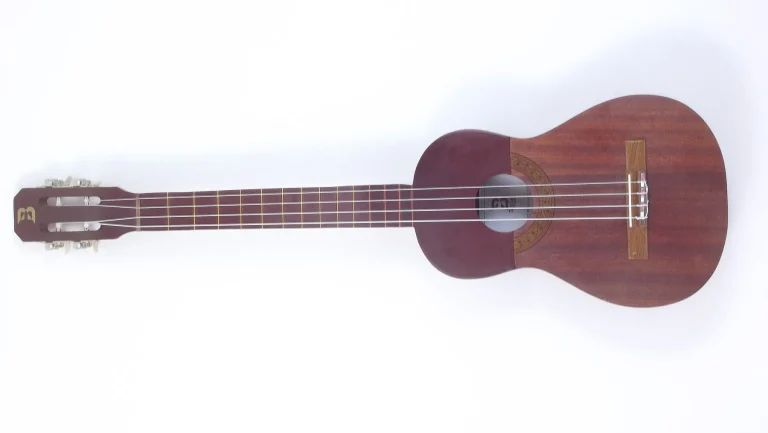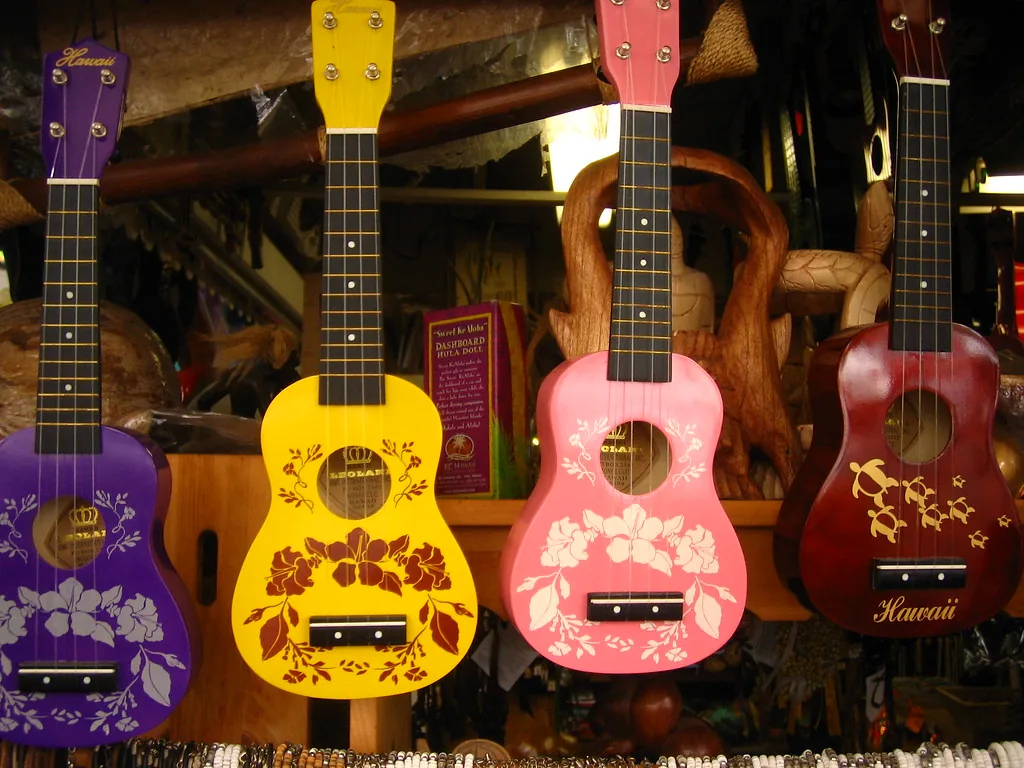
Choosing the right ukulele size is important, whether you are a beginner or an advanced player. There are four main sizes: soprano, concert, tenor, and baritone. Each has its own characteristics.
Adults with large hands should consider a concert, tenor, or baritone. Children and people with small hands may prefer a soprano.
Your choice depends on several factors: your size, the sound you want, and how you plan to use the instrument. For more information, see this ukulele guide. It will help you choose the size that suits you.
Finding the right ukulele size is essential to getting the most out of your instrument. Whether you are a beginner or an advanced player, take time to compare your options. A ukulele guide can help you decide.
The different ukulele sizes: an overview
Ukulele size is an essential factor when choosing your instrument. There are four main sizes: soprano, concert, tenor, and baritone. Each suits different players and musical styles.
The soprano ukulele is the most common. It has 12 to 15 frets. Its small size and ease of play make it suitable for beginners and children. The concert ukulele is longer, with 15 to 18 frets. It has a midrange tone and greater volume.
- Soprano ukulele: 12 to 15 frets, scale length of 12 to 14 inches (30.5 to 35.5 cm)
- Concert ukulele: 15 to 20 frets, scale length of 14 to 16 inches (35.5 to 40.5 cm)
- Tenor ukulele: 15 to 25 frets, scale length of 16 to 18 inches (40.5 to 45.5 cm)
- Baritone ukulele: at least 18 frets, scale length over 18 inches (45.5 cm)
To choose the ideal size, consider your needs and preferences.
| Ukulele size | Number of frets | Scale length |
|---|---|---|
| Soprano ukulele | 12 to 15 | 12 to 14 inches (30.5 to 35.5 cm) |
| Concert ukulele | 15 to 20 | 14 to 16 inches (35.5 to 40.5 cm) |
| Tenor ukulele | 15 to 25 | 16 to 18 inches (40.5 to 45.5 cm) |
| Baritone ukulele | At least 18 | Over 18 inches (45.5 cm) |
The soprano ukulele: the traditional instrument
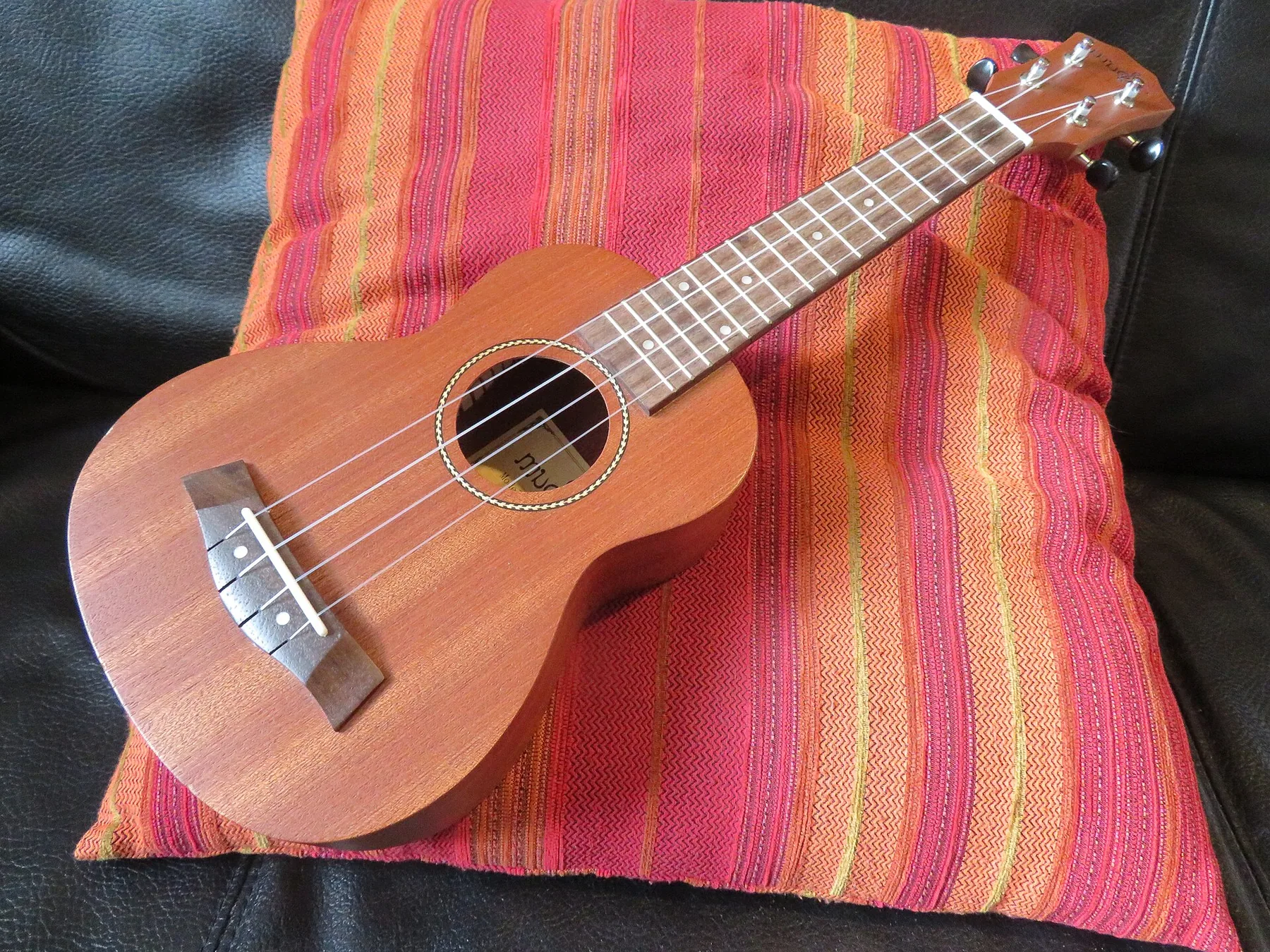
The soprano ukulele is very popular. It measures about 30 centimeters. Its size and ease of play make it suitable for beginner ukulele players.
It is ideal for beginners. Its length and narrow neck make it easy to handle. It also costs less than the other sizes, making it an affordable choice for beginner ukulele players.
Here are some advantages of the soprano ukulele:
- Easy to play and carry
- Compact and lightweight
- Ideal for beginners
- Affordable

In short, the soprano ukulele suits beginner ukulele players and experienced musicians alike. Its size, ease of play, and price make it an ideal instrument for discovering the ukulele.
The concert ukulele: the ideal balance
The concert ukulele strikes a balance between the soprano and the tenor. It combines excellent sound quality with ease of play. Its longer strings make playing easier, especially for beginners.
The concert ukulele has a longer scale than the soprano, making it more versatile. Beginners appreciate its standard GCEA tuning.
The concert ukulele has a more powerful, projecting sound. It suits jazz, blues, and rock. For more information, see Flyaway Recording and Media Studio Montreal.
Technical features
Concert ukuleles are popular with beginners. They offer good sound quality at an affordable price. Acoustic-electric models can be played both acoustically and amplified.
Advantages and disadvantages
The concert ukulele is easy to play and versatile. However, it may limit certain traditional musical styles. It excels in modern styles and suits advanced musicians.
The tenor ukulele: the choice of experienced musicians
The tenor ukulele is highly valued by experienced musicians for its versatility and rich sound. Experienced players find a unique depth and complexity in it.
The tenor ukulele has a long scale and a larger body. It therefore produces lower, richer tones. It suits players who want to explore new sounds and create complex melodies.
Professional musicians appreciate the tenor ukulele on stage and in the studio. Its rich, deep sound suits many musical styles. It can be heard in traditional Hawaiian music, folk, rock, and pop.
The tenor ukulele costs more than the other sizes. Its quality and tonal versatility make it worthwhile, however. It gives musicians a rewarding playing experience and a sound that can accompany them throughout their careers.
- Long scale for greater tonal versatility
- Larger body for a richer sound
- Lower, richer sound than other ukulele sizes
- Ideal for professional musicians and experienced players
- Used in a variety of musical styles
In conclusion, the tenor ukulele offers exceptional versatility and tonal richness. Experienced and professional musicians appreciate its depth and complexity. It is an ideal choice for those who want to improve their playing.
| Feature | Description |
|---|---|
| Long scale | Allows greater tonal versatility |
| Larger body | Provides a richer sound |
| Lower, richer sound | Ideal for professional musicians and experienced players |
The baritone ukulele: a unique sound
The baritone ukulele has a distinctive, powerful sound that sets it apart from other ukulele sizes. At 76 to 78 cm long, with a 48 cm scale, it resembles an acoustic guitar.
It suits musicians looking for a deeper sound. The baritone’s sound lends itself to rock and blues. It is more complex than the sound of other ukuleles.
| Feature | Value |
|---|---|
| Overall length | 76 to 78 cm |
| Scale length | 48 cm |
| Price | About 200 euros |
In conclusion, the baritone ukulele offers a powerful, complex sound. It suits players seeking high sound quality.
Which ukulele size should you choose for your skill level?
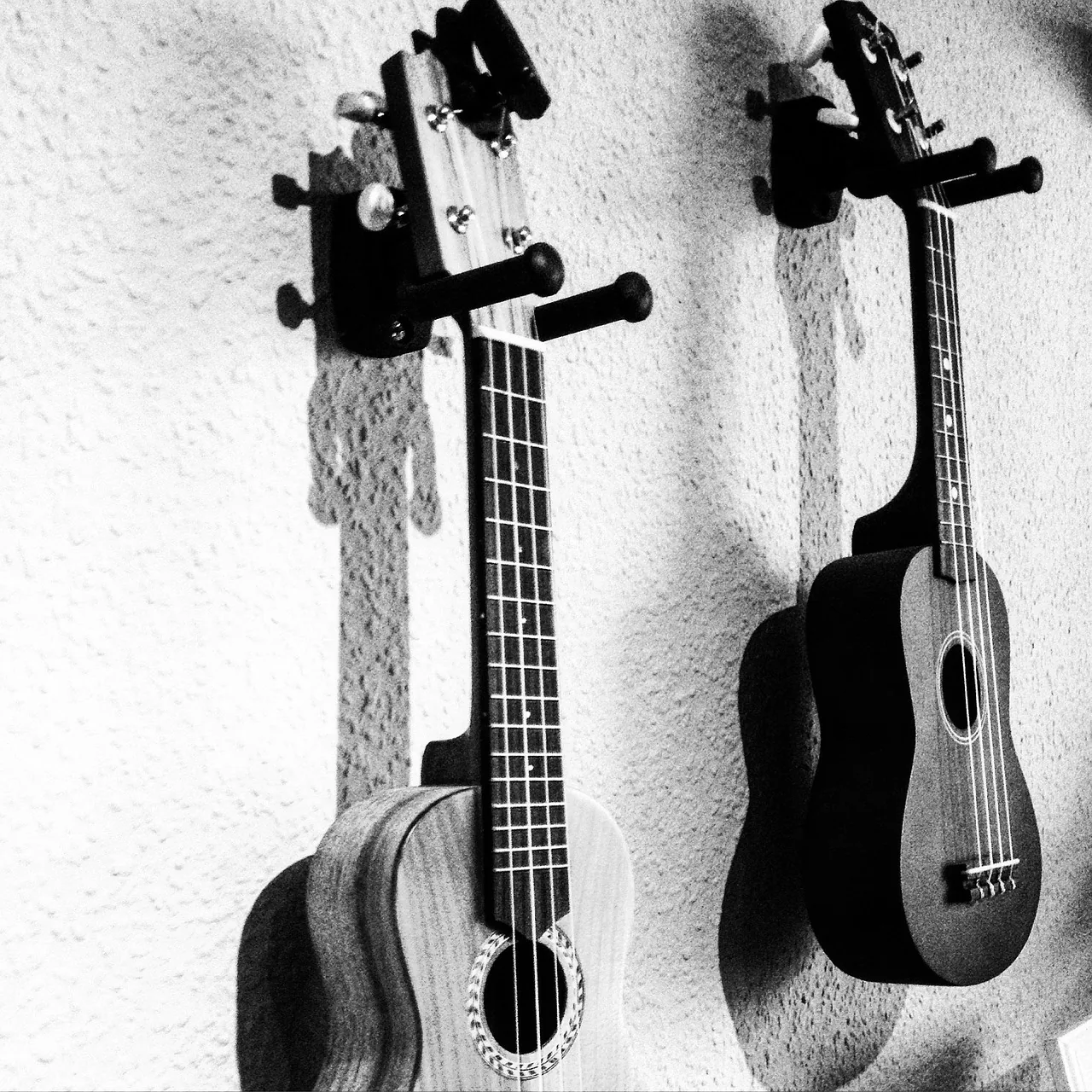
Choosing a ukulele size depends on several factors. Playing level, the player’s build, and musical style all play a key role. Beginners are often advised to choose a soprano ukulele. This popular model suits both children and adult beginners.
Intermediate players may prefer a concert ukulele. This model offers a richer sound while remaining easy to carry. Tenor or baritone ukuleles are recommended for advanced musicians. They provide more room for the fingers and allow players to explore various techniques.
Here are some points to consider when choosing the right ukulele size:
- Ukulele length: soprano, concert, tenor, and baritone models measure about 53 cm, 58 cm, 66 cm, and 76 cm long, respectively.
- Playing level: beginners often start with a soprano ukulele. Intermediate and advanced players may prefer larger sizes.
- The player’s build: adults with large hands are often more comfortable with a concert, tenor, or baritone ukulele.
Online resources can be useful. The ukulele strings buying guide is a valuable resource. It provides detailed information about different ukulele sizes and their characteristics.
In conclusion, the right ukulele size depends on your playing level, build, and musical style. Consulting online resources can help you make the right choice.
| Ukulele size | Length | Playing level |
|---|---|---|
| Soprano | About 53 cm | Beginners |
| Concert | About 58 cm | Intermediate players |
| Tenor | About 66 cm | Intermediate and advanced players |
| Baritone | About 76 cm | Advanced musicians |
Technical factors to consider when choosing
When choosing a ukulele, examine certain technical factors. They will help you find an instrument that suits you. Ukulele technical factors include quality, wood type, and ease of play.
Ukuleles are made from different woods, including koa, mahogany, cedar, and ebony. The best models are made of solid wood, while less expensive ones use laminated wood. These features affect the instrument’s sound and durability.
- Instrument quality
- Type of wood used
- Ease of play
- Sound
Considering these points will help you find a ukulele that suits you.
Conclusion: making the right choice for your musical journey
Choosing the size of your ukulele is essential to your musical journey. Whether you are a beginner, intermediate player, or expert, each size has its advantages. Think about your needs and your skill level when choosing an instrument.
A smaller ukulele suits beginners. More advanced players may prefer a larger model. By considering size, resonance, and comfort, you can find an instrument that fits your musical goals. Buying a quality ukulele supports enjoyable playing and long-term progress.
FAQ
What are the different types of ukulele and their characteristics?
How important is ukulele size to a player’s progress?
What are the characteristics of a soprano ukulele?
What are the advantages and disadvantages of a concert ukulele?
Why do experienced musicians choose the tenor ukulele?
What are the distinctive sounds of a baritone ukulele?
How do you choose the right ukulele size for your skill level?
What technical factors should you consider when choosing a ukulele?
Source links
- https://ukutabs.com/ukulele-guides/ukulele-sizes-compared/
- https://e-voice.org.uk/douneuke/resources-and-files/ukulele-sizes/
- https://chordandcase.com/ukuleles/soprano-vs-concert-vs-tenor
- https://www.conseils-achat-ukulele.com/en/which-ukulele-should-you-choose-a-complete-guide-to-finding-the-right-one/