Ukulele specialist
Contact us with any questions or collaboration proposals.
Why this blog?
Learning tutorials
Inspiring articles
Musical resources
About
Through Ukebox, I hope to share this passion with the world, inspire other musicians and nurture a community where everyone can flourish musically. Every chord and every melody tells a story and creates a universal bond that I am honored to share.
What are the different types of ukulele, and how do you choose one?
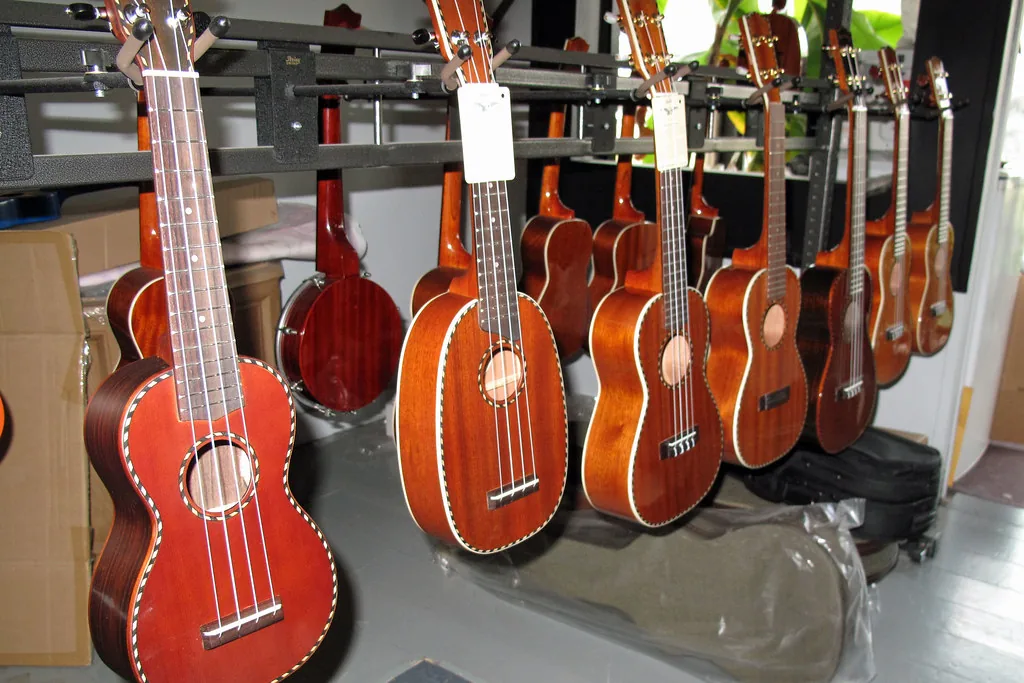
There are several types of ukulele, each with features that affect its sound, playability and musical style. The main types are soprano, concert, tenor and baritone.
The soprano is the smallest and most traditional ukulele. It is often chosen for its distinctive sound and portability. Its small size makes it ideal for children or people with small hands. The soprano produces a bright, lively sound that is perfect for fast melodies and traditional Hawaiian songs.
The concert is slightly larger than the soprano and offers a richer, deeper tone while remaining comfortable to play. It strikes an excellent balance between the soprano’s portability and the fuller sound of larger ukuleles.
The tenor is larger than the concert and offers a wider tonal range, with more volume and resonance. Musicians often appreciate its versatility: it suits a wide variety of styles, from folk and jazz to rock.
The baritone is the largest traditional ukulele and has a deep, warm sound similar to that of a tenor guitar. It is tuned differently from other types of ukulele, generally in a lower register. The baritone is particularly well suited to guitarists who want to explore the ukulele’s unique sound while retaining a familiar playing feel.
To choose the type of ukulele that suits you best, consider your musical preferences, experience level and budget. If you want a traditional sound and a compact instrument, the soprano may be your best choice. For more comfortable playing and a richer tone, a concert or tenor may be more suitable. If you prefer a sound closer to a guitar, a baritone is worth considering.
In short, the different types of ukulele offer many possibilities for musicians of all levels and styles. Take time to explore the options and choose the one that best meets your needs and preferences.

What are the essential playing techniques for ukulele beginners?
For ukulele beginners, mastering a few basic playing techniques is essential for making progress and playing comfortably. Here are some of them:
- Basic chords: Basic chords are among the first things beginners learn. They involve placing your fingers in specific positions on the fretboard. Examples include C major, G major, A minor and D major. Learning to move cleanly from one chord to another is a key skill.
- Strumming: Strumming means brushing across the strings with your fingers or a pick. Beginners should learn different techniques, including downstrokes and upstrokes, as well as varied rhythms. Consistency and accuracy help maintain a song’s tempo and rhythm.
- Arpeggios: Arpeggios involve playing the strings one at a time in a particular pattern. Beginners can start with simple patterns used to accompany songs before moving on to more complex ones. Arpeggios add texture and depth to music.
- Picking: Picking involves plucking strings one at a time with your fingers to create melodies and musical patterns. Beginners can start with simple exercises to improve finger coordination and accuracy.
- Smooth chord changes: Moving fluidly from one chord to another is an essential skill. Beginners should practice changing chords quickly without interrupting the music.
- Reading tablature: Ukulele tablature is a form of notation that shows which frets and strings to use to play a melody or chord. Learning to read it is important for playing songs and following exercises.
By practicing these basic techniques regularly, ukulele beginners can progress quickly and build a solid foundation for exploring more advanced musical styles. Patience, regular practice and attentive listening are essential to developing the skills needed to master the ukulele.
Recent Articles

Cigar Box Guitar: Everything You Need to Know About This Unusual Guitar
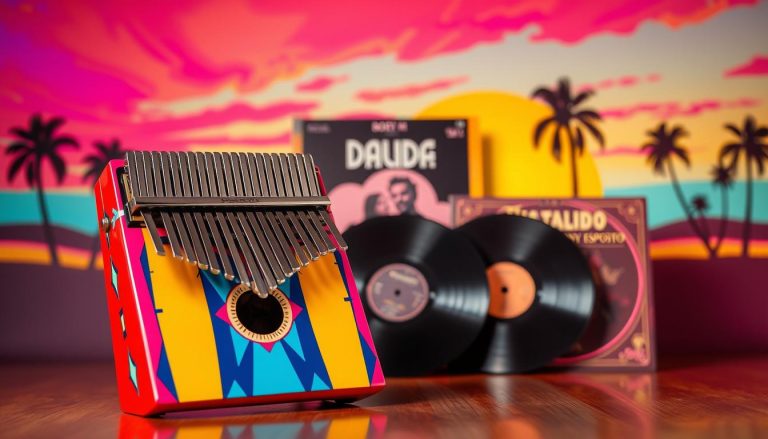
Kalimba de Luna: Boney M, Dalida and Tony Esposito versions on the kalimba
Kalimba de Luna: the song’s history and famous renditions
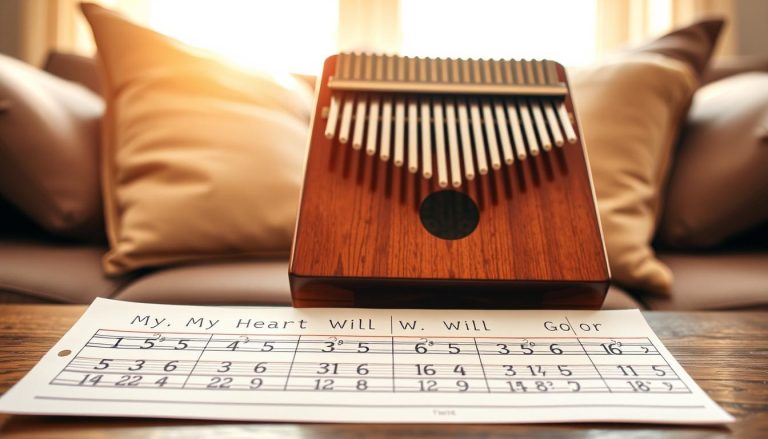
My Heart Will Go On on Kalimba: Easy Numbered Notes