If you want to start learning to play the ukulele, a few tips and tricks will help you get going. In this article, we offer valuable techniques and advice for beginning your ukulele journey. Whether you are a complete beginner or already have some experience, they will help you improve and feel more comfortable with the instrument.
The ukulele is a distinctive and fun instrument to learn and play. It has grown in popularity because it is portable, versatile, and capable of producing a wide range of sounds. Whether you want to play songs from different genres or simply enjoy strumming a few chords, the ukulele is an excellent choice for beginners. Its small size makes it easy to carry, and its four strings make it easier to learn than instruments such as the guitar. With a ukulele, you can start making music and expressing yourself on your first day.
Why choose the ukulele?
The ukulele is a distinctive and fun instrument to learn and play. It has grown in popularity because it is portable, versatile, and capable of producing a wide range of sounds. Whether you want to play songs from different genres or simply enjoy strumming a few chords, the ukulele is an excellent choice for beginners. Its small size makes it easy to carry, and its four strings make it easier to learn than instruments such as the guitar. With a ukulele, you can start making music and expressing yourself on your first day.
Portability and versatility
You can take a ukulele almost anywhere. Whether you are on vacation, camping, or simply sitting in your garden, you can easily pick it up and start playing. Its small size and light weight make it an ideal travel companion for musicians on the go.
The ukulele is also a versatile instrument that you can use to play many genres, including folk, rock, pop, and jazz. Its bright, cheerful sound adds a pleasing touch to any song and helps you create a warm, upbeat atmosphere.
Easy to learn
The ukulele also suits beginners because it is simpler to learn than other stringed instruments, such as the guitar. With four strings instead of six, you can focus on the basics and start playing quickly. Basic ukulele chords are also generally simpler than guitar chords, making the learning process easier still.
Because it is easy to learn, the ukulele is often recommended as a first musical instrument for children. Its small size fits their hands, making it easier for them to play chords and develop finger coordination quickly.
Expression and enjoyment
Playing the ukulele is a joyful experience that encourages creativity and self-expression. Whether you play lively melodies or strong rhythms, the ukulele lets you make music and share your enthusiasm with others. Whether you are onstage before an audience or sitting in your living room, its sound can bring smiles and lift the mood.
If you love music and want a fun, accessible instrument, the ukulele is an excellent place to start. Whether you want to play the ukulele for personal enjoyment or pursue a music career, it offers a new way to make and enjoy music.
Choosing the right ukulele
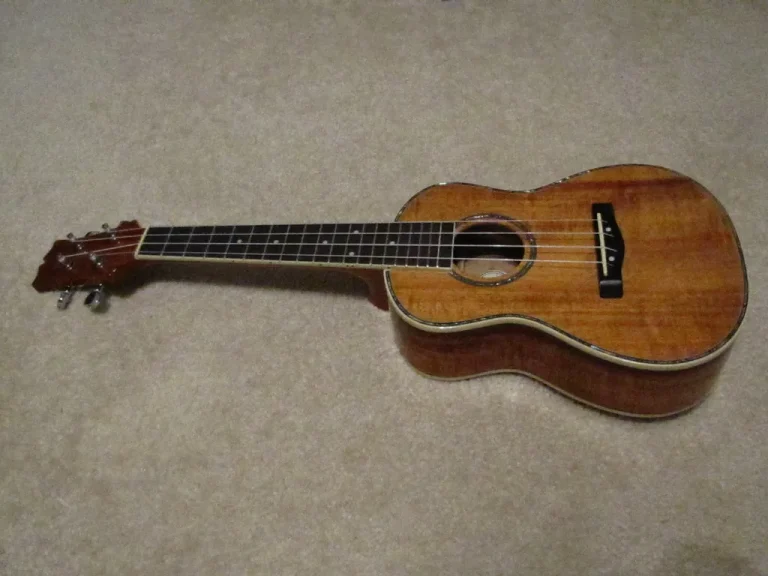
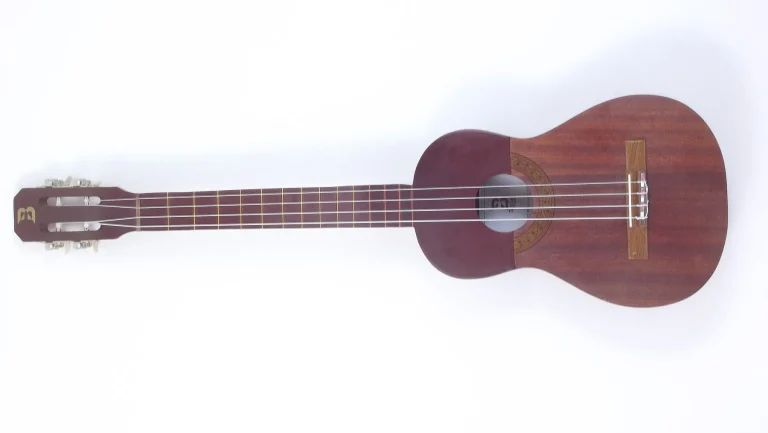
When you are starting out, it is essential to choose a ukulele that suits your needs. Although affordable models are available, it is worth investing in a quality ukulele with a good sound. Cheap ukuleles may have tuning problems and disappointing sound quality. Allow a budget of around €100 to €200 for a reliable instrument. It is also important to consider which ukulele size and type best suit your preferences and playing style. Common sizes are soprano, concert, tenor, and baritone. Do some research and seek advice from experts or experienced players before buying.
Many reputable brands make quality ukuleles, including Kamaka, Kala, Martin, Lanikai, and Ohana. These brands offer excellent craftsmanship, durable materials, and outstanding sound.
Everyone has their own preferences when it comes to sound and playing comfort. It is therefore a good idea to try different models before making your choice. If possible, visit a music store to try several types of ukulele and ask a professional for advice.
Features to consider when choosing a ukulele
Here are some features to examine when choosing a ukulele:
- Build quality: Make sure the ukulele is well assembled and made from quality materials.
- Sound quality: Listen carefully to the ukulele to see whether its sound suits your musical tastes.
- Wood type: Different woods produce slightly different sounds. Koa, mahogany, and acacia are among the woods commonly used for ukuleles.
- Size: Choose the size that suits you best, taking your comfort and playing style into account.
- Tuners: Some ukuleles have built-in tuners, which can be helpful, especially for beginners.

“Investing in a quality ukulele from the start will give you better sound and greater playing comfort. A well-made ukulele will be more enjoyable to play and will stay with you for many years.” — John Smith, experienced ukulele player.
Take time to research, try different models, and ask for advice before you buy. By choosing a quality ukulele, you will begin your musical journey with an instrument that is reliable and enjoyable to play.
Ukulele basics
Before you start learning songs, it is essential to master the ukulele basics: learn the basic chords, hold the instrument correctly, and read tablature.
Start by getting to know the most common chords and practicing correct finger placement. Learn to hold the ukulele comfortably and find a position that lets you strum and press down the strings without strain. Tablature is useful for ukulele players because it shows which strings and frets to play. Take time to practice and memorize these fundamental techniques so you can build a solid foundation.
Basic chords
Basic chords are essential to playing the ukulele and are the starting point for performing songs. Here are some chords you can learn first:
- C major, C
- A minor, Am
- D major, D
- G major, G
Practice placing your fingers for each chord and try playing them one after another. Your changes will gradually become smoother.
Holding the ukulele correctly
When holding the ukulele, make sure you are comfortable. Your left hand supports the neck while your right hand strums the strings.
Place your left hand on the neck so that you can easily reach every fret and string. Find a position that lets you play without tension or pain. Keep your back and shoulders straight as well to avoid unnecessary strain.
Reading tablature
Tablature is a notation method used to represent ukulele chords, melodies, and rhythms. It usually consists of numbers placed on horizontal lines that represent the instrument’s strings.
Example of tablature:
  ---------------------
  -----2-----3-----0--
  ---1---1-0---0h2----
  -0------------------
  ---------------------
As you learn to read tablature, you will be able to play different melodies and chords by following these markings. Take time to practice reading tabs and playing the corresponding notes.
Practice regularly to become familiar with these basic techniques. This will help you develop the knowledge and skills you need to improve on the ukulele.
Practice regularly
Regular practice is essential to improving on any instrument, including the ukulele. Set aside time to practice consistently so you can develop your skills and become familiar with the instrument. Aim for at least 10 to 15 minutes a day, then gradually lengthen your sessions as you progress.
Focus on a few basic chords and strumming patterns to develop muscle memory and a sense of rhythm. Working on these foundations regularly will make your playing more comfortable and fluid.
Set goals and take on new challenges by learning other songs or techniques. This will help you stay motivated, track your progress, and see the results of your regular practice.

Regular practice is the key to becoming a good ukulele player. As the saying goes, “Practice makes perfect.” Practice often and consistently to make progress on your musical journey with the ukulele.
Find resources and play with other musicians
To complement your individual practice, explore online resources and join the ukulele community. Online courses and beginner tutorials can provide structured lessons and advice to help you improve effectively. They offer step-by-step explanations, tips, and techniques to help you move forward. A community of ukulele players can also offer support, inspiration, and opportunities to play with other musicians. Attend ukulele meetups, join online forums or social media groups, and take part in jam sessions to meet fellow enthusiasts and enrich your playing experience.

Conclusion
Learning to play the ukulele can be an exciting and rewarding experience. By following these tips and practicing regularly, you can develop your skills and confidence. Choose a quality ukulele that suits your preferences, learn the basics, practice consistently, and explore resources and communities that can support you. Enjoy every step, stay motivated, and have fun on your ukulele journey.
The first step in your ukulele journey is choosing an instrument that suits you. A quality ukulele will give you a pleasant sound and help you avoid tuning problems. Allow €100 to €200 for a reliable model. Consider the size and type of ukulele that best fit your preferences and playing style. Next, learn the basics, including basic chords, how to hold the instrument correctly, and how to read tablature. Practice regularly to develop muscle memory and a sense of rhythm.
Alongside your individual practice, use online resources and join the ukulele community. Beginner online courses and tutorials offer structured lessons and advice to help you progress quickly. Join forums and social media groups, and take part in jam sessions to meet other musicians and find inspiration. This can help you improve more quickly while benefiting from the support of the ukulele community.
FAQ
What are the advantages of the ukulele?
The ukulele is a distinctive and fun instrument to learn and play. Its popularity comes from its portability, versatility, and ability to produce a wide range of sounds. Whether you enjoy different musical genres or simply want to have fun strumming a few chords, the ukulele is an excellent choice for beginners. Its small size makes it easy to carry, and its four strings make it easier to learn than instruments such as the guitar.
How do I choose the right ukulele as a beginner?
When you are starting out, it is essential to choose an instrument that suits your needs. Although affordable models are available, it is worth investing in a quality ukulele with a good sound. Cheap ukuleles may have tuning problems and disappointing sound quality. Allow around €100 to €200 for a reliable model. Consider which ukulele size and type best suit your preferences and playing style. Common sizes are soprano, concert, tenor, and baritone. Do some research and seek advice from experts or experienced players before buying.
Which ukulele basics should I learn as a beginner?
Before you start learning songs, it is essential to master the ukulele basics. These include basic chords, how to hold the ukulele correctly, and how to read tablature. Start by getting to know the most common chords and practicing correct finger placement. Learn to hold the ukulele comfortably and find a position that lets you strum and press down the strings without strain. Tablature is useful for ukulele players because it shows which strings and frets to play. Take time to practice and memorize these fundamental techniques so you can build a solid foundation.
How often should I practice the ukulele?
Consistency is essential when learning any instrument, including the ukulele. Set aside time to practice regularly so you can develop your skills and become familiar with the instrument. Aim for at least 10 to 15 minutes a day, then gradually lengthen your sessions as you progress. Focus on a few basic chords and strumming patterns to develop muscle memory and a sense of rhythm. Set goals and take on new challenges by learning other songs or techniques to stay motivated and see your progress.
What resources can I use to learn the ukulele and play with other musicians?
To complement your individual practice, explore online resources and join the community of ukulele players. Online courses and beginner tutorials can provide structured lessons and advice to help you improve effectively. They offer step-by-step explanations, tips, and techniques to help you move forward. A community of ukulele players can also offer support, inspiration, and opportunities to play with other musicians. Attend ukulele meetups, join online forums or social media groups, and take part in jam sessions to meet fellow enthusiasts and enrich your playing experience.
How can I gain confidence playing the ukulele?
Starting to play the ukulele can be an exciting and rewarding experience. By following these tips and practicing regularly, you can develop your skills and confidence. Choose a quality ukulele that suits your preferences, learn the basics, practice consistently, and explore resources and communities that can support you. Enjoy every step, stay motivated, and have fun on your ukulele journey.