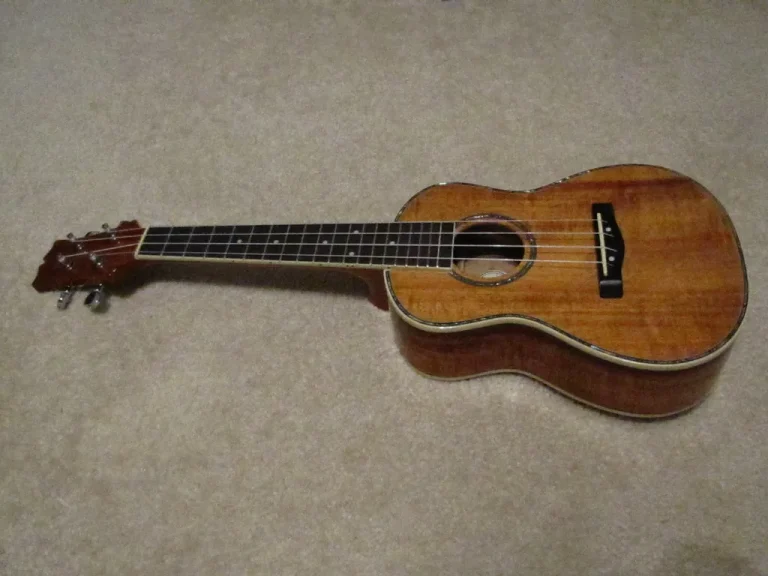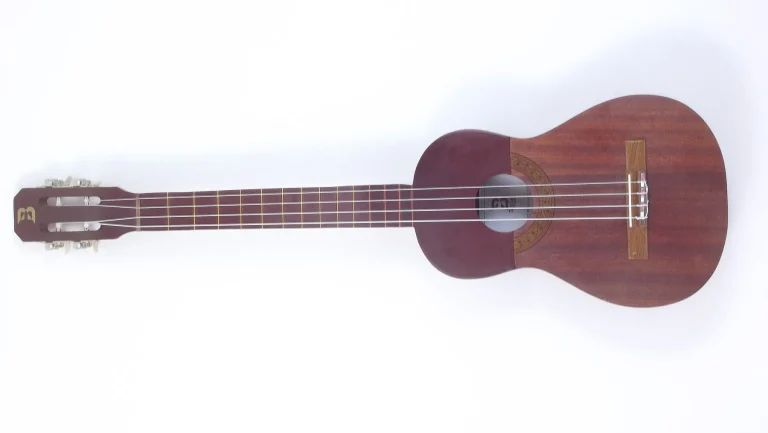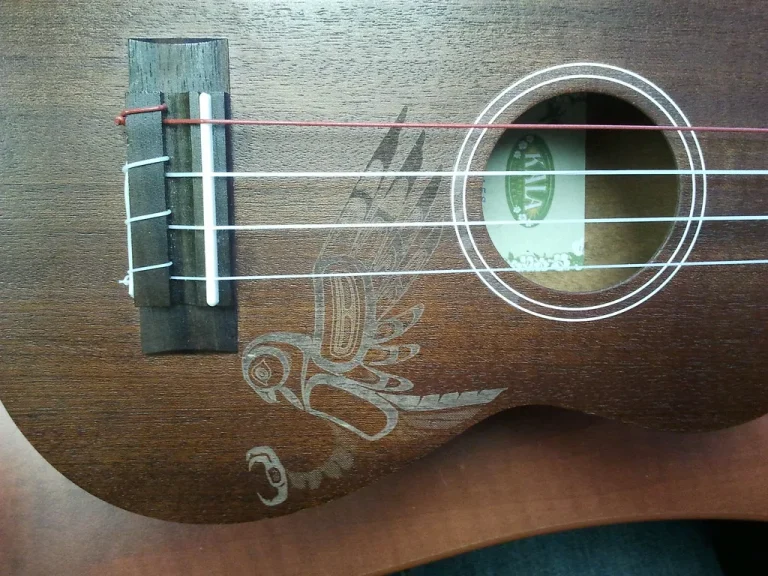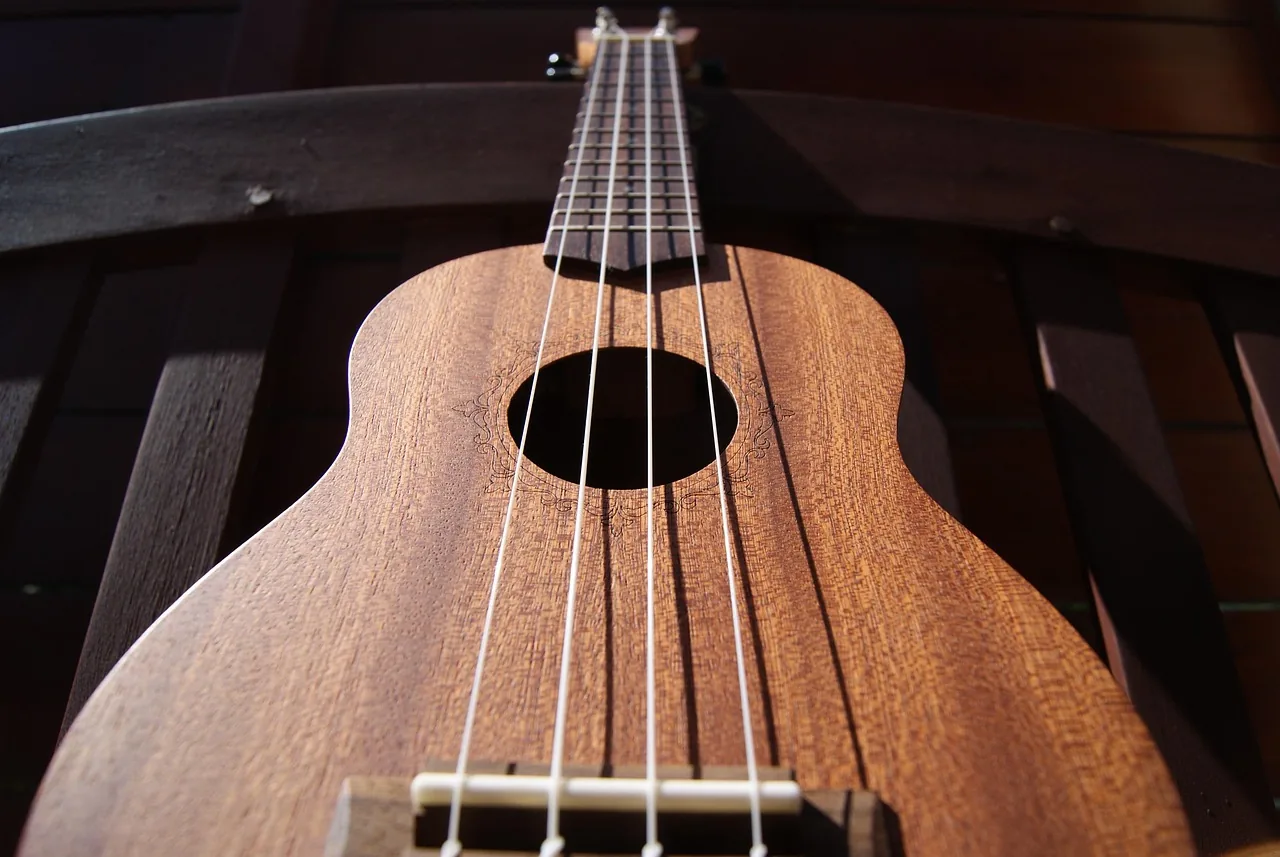
Small, colorful, and easy to carry, the ukulele now appeals to millions of people around the world. But behind its cheerful image lies a rich history of migration, trade, cultural pride, and changing fashions. That is precisely what makes it an excellent thesis topic.
How can you turn this material into a structured academic paper? How can you bring together the instrument’s history and cultural significance without getting lost in anecdotes? Here is a step-by-step method for choosing your focus, finding sources, and building a strong argument.
1. Choose a specific focus
“The history of the ukulele” is far too broad a topic for a thesis. Narrow it down to a research question. You could, for example, study how the instrument is made and how its design has changed, its role in Hawaiian musical identity, its spread to the United States and Europe, or its recent revival through social media.
Ask yourself: what do you want to demonstrate? A thesis is an argument, not an encyclopedia. A question such as “How did the ukulele go from an island instrument to a global symbol of pop culture?” gives your work a clear direction and keeps it from becoming a simple chronological account. Define your limits of time and place as well: a particular period, country, or group of musicians.
2. Understand the instrument’s origins
The ukulele is generally described as a descendant of small Portuguese guitars, including the Braga machete, brought to Hawaii in the second half of the nineteenth century by immigrants from Madeira and the Azores. Early instrument makers who settled on the islands are thought to have adapted these models, creating the instrument we know today.
This account is widely accepted, but some details remain uncertain: the precise dates, each craftsperson’s exact role, and the origin of the name. “Ukulele” is often translated as “jumping flea,” although other explanations exist. A good thesis does not repeat these claims as absolute truths: it presents the different accounts, compares sources, and points out what remains disputed.
3. Trace the main stages of its spread
Once you have established the origins, organize your analysis around key moments. Support from the Hawaiian royal family in the late nineteenth century helped establish the instrument in local culture. In the early twentieth century, international exhibitions and tours by Hawaiian musicians introduced it to the continental United States, where it became a craze in the 1920s. Frequently cited milestones include the 1915 San Francisco world’s fair and, much more recently, the international success of Israel Kamakawiwoʻole’s cover of “Somewhere Over the Rainbow.”
The ukulele then went through several cycles: television and family use in the middle of the century, humorous or eccentric portrayals, followed by a Hawaiian cultural revival and the global success of certain artists. Ukulele orchestras, festivals, and online videos further broadened its appeal. At each stage, ask: who played it, in what setting, and why at that particular time?
4. Analyze its cultural and social significance
History alone is not enough: a thesis about an instrument benefits from concepts drawn from ethnomusicology, sociology, or cultural history. Examine the relationship between the instrument and Hawaiian identity, questions of representation and stereotypes, and issues of cultural appropriation when an instrument travels far from its place of origin.
You could also study how playing it has spread around the world: why has it become an introductory instrument in schools, a way to connect with others in clubs and workshops, or a starting point for adults learning music? This approach turns your work into a genuine analysis rather than a merely descriptive overview. Compare different perspectives: Hawaiian musicians, makers, teachers, and enthusiasts do not always see things the same way.
5. Gather reliable sources
Use several types of resources so you can check information against multiple sources:
• Reference books: books on the history of instruments and studies devoted to the ukulele, such as Jim Beloff’s work, supplemented by books on organology and ethnomusicology.
• Scholarly articles: search Cairn.info, Persée, OpenEdition, and Google Scholar using French and English keywords (ukulele, Hawaiian music, instrument history).
• Newspaper archives: digitized historical newspapers, particularly those in Gallica, Chronicling America, or Hawaiian newspaper databases, can show how the instrument was received at the time.
• Museums and collections: historical instruments and their catalogue records, available online or in person, offer valuable information about how they were made.
• Oral sources: interviews with instrument makers, teachers, musicians, or association leaders.
6. Follow a rigorous method
Start by building a detailed timeline and recording the source that supports each date. This will help you spot contradictions quickly. Then compare accounts: a popular book, a scholarly article, and a manufacturer’s website do not always tell the same story.
If you conduct interviews, prepare a set of questions, ask permission to record, and note the circumstances of each meeting. These accounts do not replace written sources, but they offer firsthand insight into current playing practices, instrument making, and the passing on of knowledge. Consider observing an instrument-making workshop, a group lesson, or a festival as well: just a few hours of fieldwork can often provide material for an entire section.
7. Avoid common pitfalls
The greatest risk is repeating legends without checking them. Stories about instruments are often embellished, copied from one site to another, and rarely sourced. Be wary of broad claims such as “the ukulele is a Hawaiian instrument,” too: the reality is more nuanced, since the instrument has European roots and has developed in many different ways.
Finally, avoid limiting yourself to a nostalgic or folkloric view. An academic thesis requires perspective, critical analysis, and a clear distinction between facts, interpretations, and opinions. Cite all your sources, including photographs, scores, and audio excerpts, to respect copyright and avoid plagiarism.
8. Consider a possible outline
Here is an example of a structure you can adapt to your topic:
• Introduction: the topic, research question, method, and sources.
• Part 1: the instrument’s origins and its place in Hawaii.
• Part 2: the major waves of its spread, including the people and circumstances involved.
• Part 3: current cultural issues: identity, appropriation, and contemporary practices.
• Conclusion: an answer to the research question and possible directions for further study.
Conclusion: a living subject that calls for a careful approach
The ukulele is a fascinating subject for research at the intersection of history, music, and the social sciences. To write a successful thesis, choose a specific focus, check your sources against one another, treat legends with caution, and keep your research question clear.
With a sound method, this small instrument can help you tell a much bigger story: one of cultural exchange and of how an everyday object becomes a symbol.