The Hawaiian ukulele is a traditional instrument of the Hawaiian Islands. Its history dates back to the nineteenth century. Portuguese workers, who arrived with instruments such as the machete, influenced its development.
The ukulele became a symbol of Hawaiian culture. Its rich heritage and origins are still celebrated today.
The first ukuleles appeared in the mid-1880s, when Hawaiian planters were shipping 25 tons of sugar. More than 25,000 Madeirans came to Hawaii, bringing their traditions with them.
The history of the ukulele is tied to this period of cultural growth.
The Hawaiian ukulele is a distinctive instrument. Its sound and history set it apart. Its story reflects the diversity of Hawaiian culture.
We will explore the history and origins of the Hawaiian ukulele and see how it has evolved over time.
The Portuguese roots of the Hawaiian ukulele
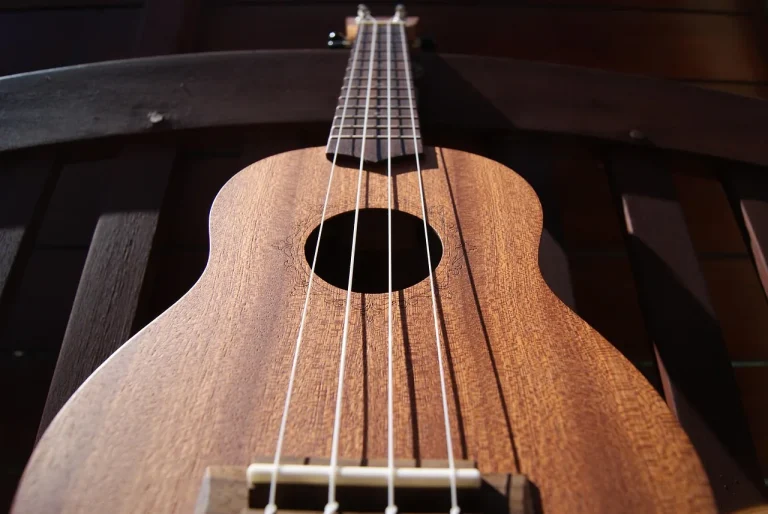
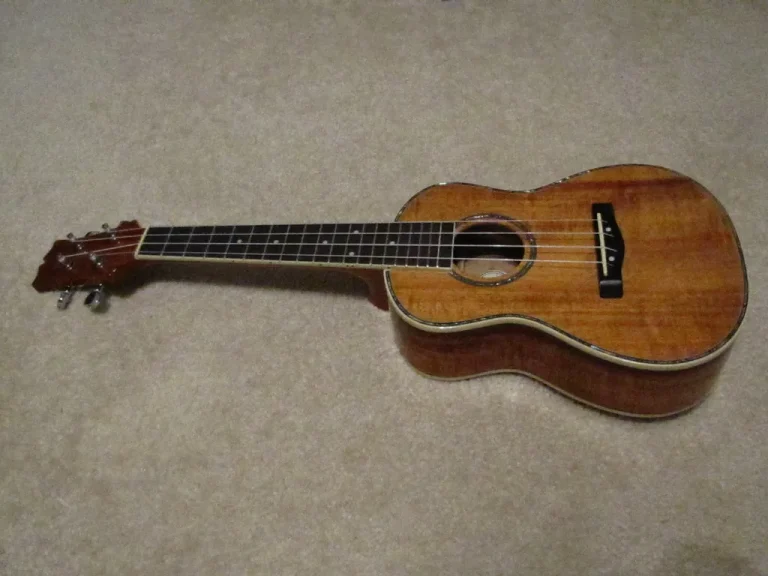
The history of the Hawaiian ukulele is tied to the instrument’s development. The first ukuleles were made from koa, a Hawaiian acacia. Over time, koa became scarcer, and mahogany is often used to make them today.
Portuguese immigrants who arrived in Hawaii in 1879 influenced the ukulele. They brought the cavaquinho, a forerunner of the ukulele. Played on the island of Madeira, the cavaquinho produces a strong sound with its four steel strings.
The braguinha, its Portuguese ancestor
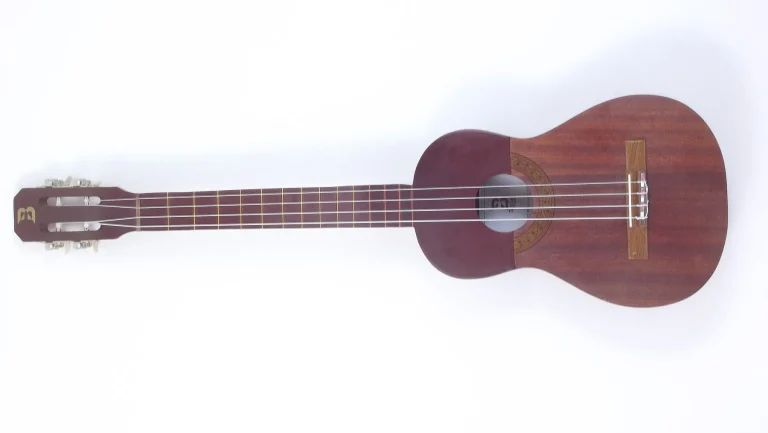
The braguinha is a Portuguese instrument, also called the cavaco in Brazil. It can be tuned like a baritone ukulele. The braguinha is better known in northern Portugal, while the Lisbon cavaquinho was popular with the middle class in the nineteenth century.
The arrival of Portuguese immigrants in Hawaii
Portuguese immigrants brought their culture, including their music. The Hawaiian ukulele arrived in Hawaii with them in 1879. It quickly gained popularity with the support of King David Kalākaua, the last king of Hawaii.
| Instrument | Origin | Characteristics |
|---|---|---|
| Ukulele | Hawaii | Four strings, wooden body |
| Cavaquinho | Portugal | Four steel strings, strong and fluid sound |
| Braguinha | Portugal | Four strings, tuned like a baritone ukulele |
The birth of the ukulele in the Hawaiian Islands
Two centuries ago, Madeira was a popular tourist destination. European visitors came to admire its landscapes and flora. Music played in the streets of the port city of Funchal entertained them.
This is where the ukulele began to take shape. It emerged through traditional ukulele making.
Hawaiian musicians played a key role. They incorporated the instrument into their performances and created new songs.
To learn more about the history of the ukulele, visit the Hawaii page. It offers a wealth of information about the islands’ culture and history.
Here are some interesting facts about the birth of the ukulele:
- Portuguese immigrants introduced the ukulele to Hawaii in 1879.
- The first ukuleles were handmade from local woods such as koa.
- The ukulele became an iconic instrument of Hawaiian culture. It is used in ceremonies and musical performances.
| Year | Event | Description |
|---|---|---|
| 1879 | Introduction of the ukulele to Hawaii | Portuguese immigrants introduce the ukulele to Hawaii, where it becomes an iconic instrument of the local culture. |
| 1915 | Panama-Pacific International Exposition | The Panama-Pacific International Exposition showcases the ukulele, helping to popularize it worldwide. |
The technical and craft development of the ukulele
The ukulele is a plucked string instrument widely used in Hawaiian music. It has evolved over time. Instrument makers now use different woods and modern techniques.
Hawaiian instrument makers value koa for making ukuleles. With globalization, they also use exotic woods, which give the instruments distinctive sounds and styles. Hawaiian musical tradition is rich and varied, and the ukulele plays an essential role in it.
Modern innovations have changed how ukuleles are made. New technologies and synthetic materials have made the instruments more durable and less expensive. Some people still prefer ukuleles made using older methods, natural materials, and traditional craftsmanship.
Here are some key aspects of the ukulele’s technical and craft development:
- Use of different types of wood
- Introduction of modern manufacturing techniques
- Creation of more durable and affordable instruments
The ukulele’s development shows the creativity and ingenuity of Hawaiian instrument makers. The ukulele remains a symbol of Hawaiian music. Its continuing evolution captivates musicians and music lovers around the world.
The ukulele’s role in Hawaiian culture
The Hawaiian ukulele has an important place in Hawaiian culture. It features in ceremonies and stories. It developed from the braguinha of Madeira, a Portuguese instrument.
Great masters brought the ukulele to wider attention. They blended Portuguese, Japanese, and American influences. Today, the ukulele symbolizes the spirit of aloha and the joy of life.
Here are some examples of the ukulele’s place in Hawaiian culture:
- Traditional ceremonies, such as weddings and celebrations of a birth
- Legends and stories about the instrument, often linked to Hawaiian mythology
- The great masters of the Hawaiian ukulele, who helped popularize the instrument and make it a symbol of Hawaiian culture
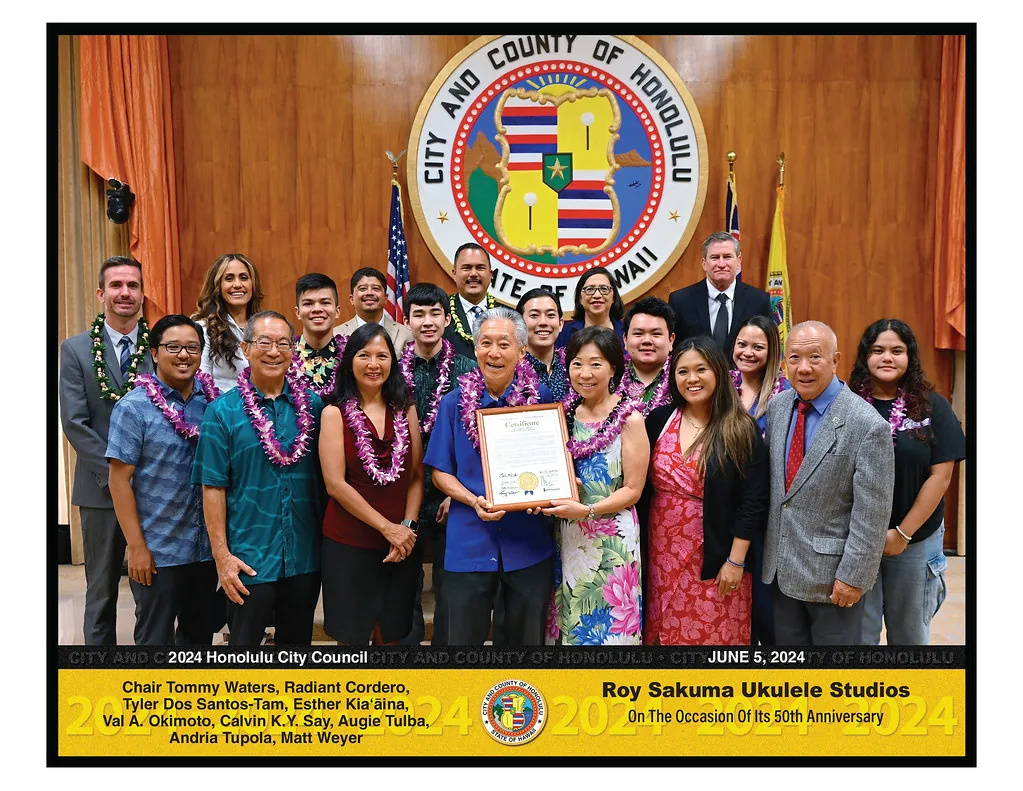
In short, the Hawaiian ukulele has an essential place in Hawaiian culture. It represents the spirit of aloha and the joy of life. Its origins, history, and masters are an integral part of that culture.
| Instrument | Origin | Use |
|---|---|---|
| Hawaiian ukulele | Braguinha or machete from the island of Madeira | Traditional ceremonies, legends, and stories |
| Portuguese cavaquinho | Portugal | Traditional Portuguese music |
| Ukulele | Hawaii | Popular Hawaiian music |
The ukulele’s worldwide popularity in the twentieth century
The ukulele, which comes from the Hawaiian Islands, spread around the world in the twentieth century. Its history and origins are fascinating. They show how the instrument became a symbol of Hawaiian culture. To learn more, read this fascinating history.
The evolution of the ukulele played a key role. Different woods and variations in size enriched the instrument. Today, it is enjoyed in many countries, including the United States, Japan, and France.
There are several reasons for its popularity:
- It is easy to learn
- It has a distinctive sound
- It is portable and affordable
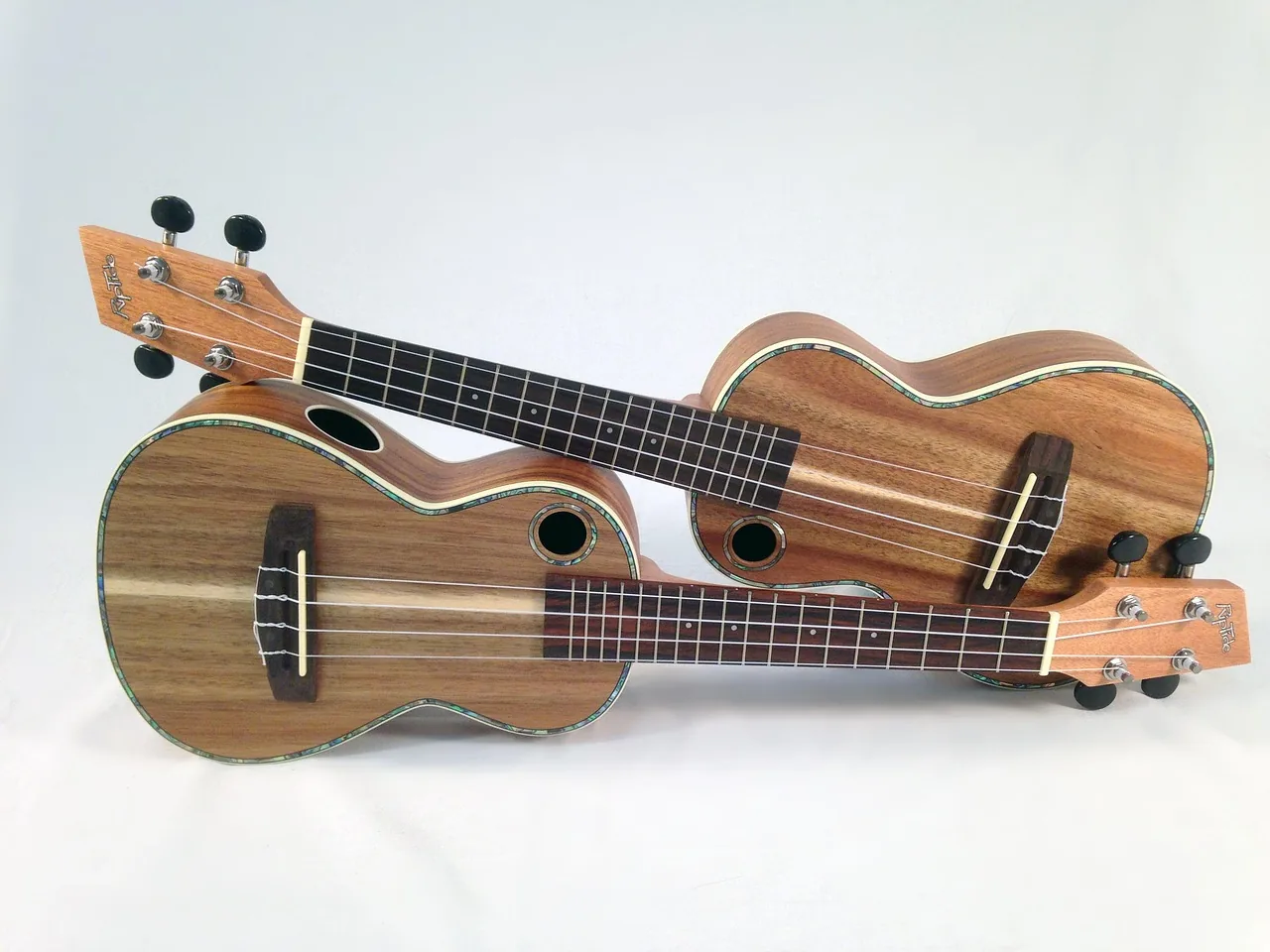
Several factors explain the ukulele’s worldwide popularity in the twentieth century. Its distinctive history and origins, along with its development, played an important part.
Conclusion: the living legacy of the Hawaiian ukulele
The history of the Hawaiian ukulele reflects the cultural richness of the Hawaiian Islands. Derived from the Portuguese braguinha, the instrument is a symbol of local musical identity. Its Hawaiian origins remain deeply rooted in the islands’ musical tradition.
Pioneers such as Manuel Nunes established the first ukulele workshop in Hawaii in 1916. Since then, many master instrument makers have helped build the reputation of the Hawaiian ukulele. Today, companies such as Kamaka continue to sustain this living legacy while meeting growing demand.
FAQ
What are the origins of the Hawaiian ukulele?
How was the ukulele made and produced in Hawaii?
What role does the ukulele play in Hawaiian culture?
How did the ukulele become popular around the world?
Sources
- https://www.hawaiinewsnow.com/2024/03/31/no-ukulele-did-not-originate-hawaii-heres-where-story-actually-begins/
- https://www.nmmusd.org/nmm-notes/digging-the-fifties-part-9
- https://the.honoluluadvertiser.com/article/2004/Aug/22/ln/ln19a.html
- https://www.tahititourisme.com/the-history-of-the-tahitian-ukulele/