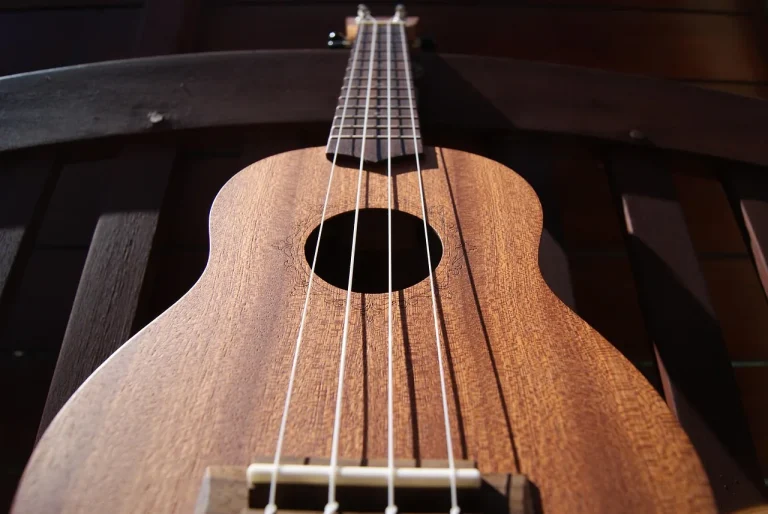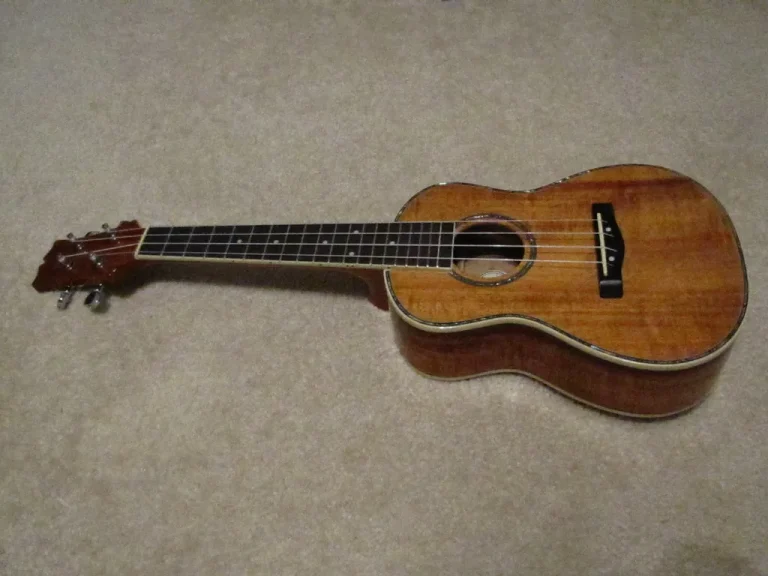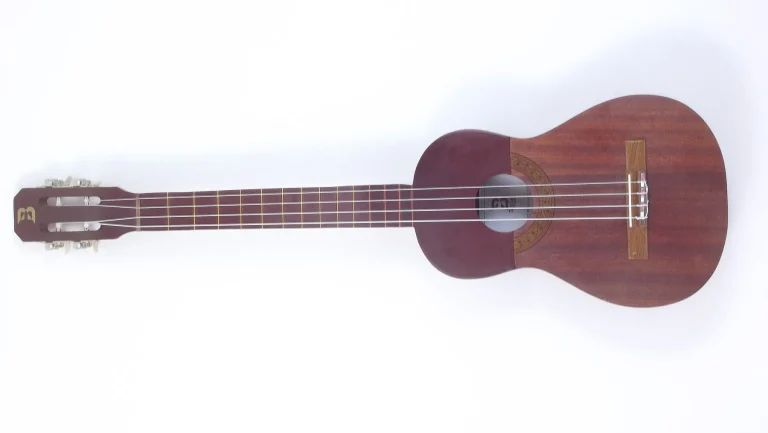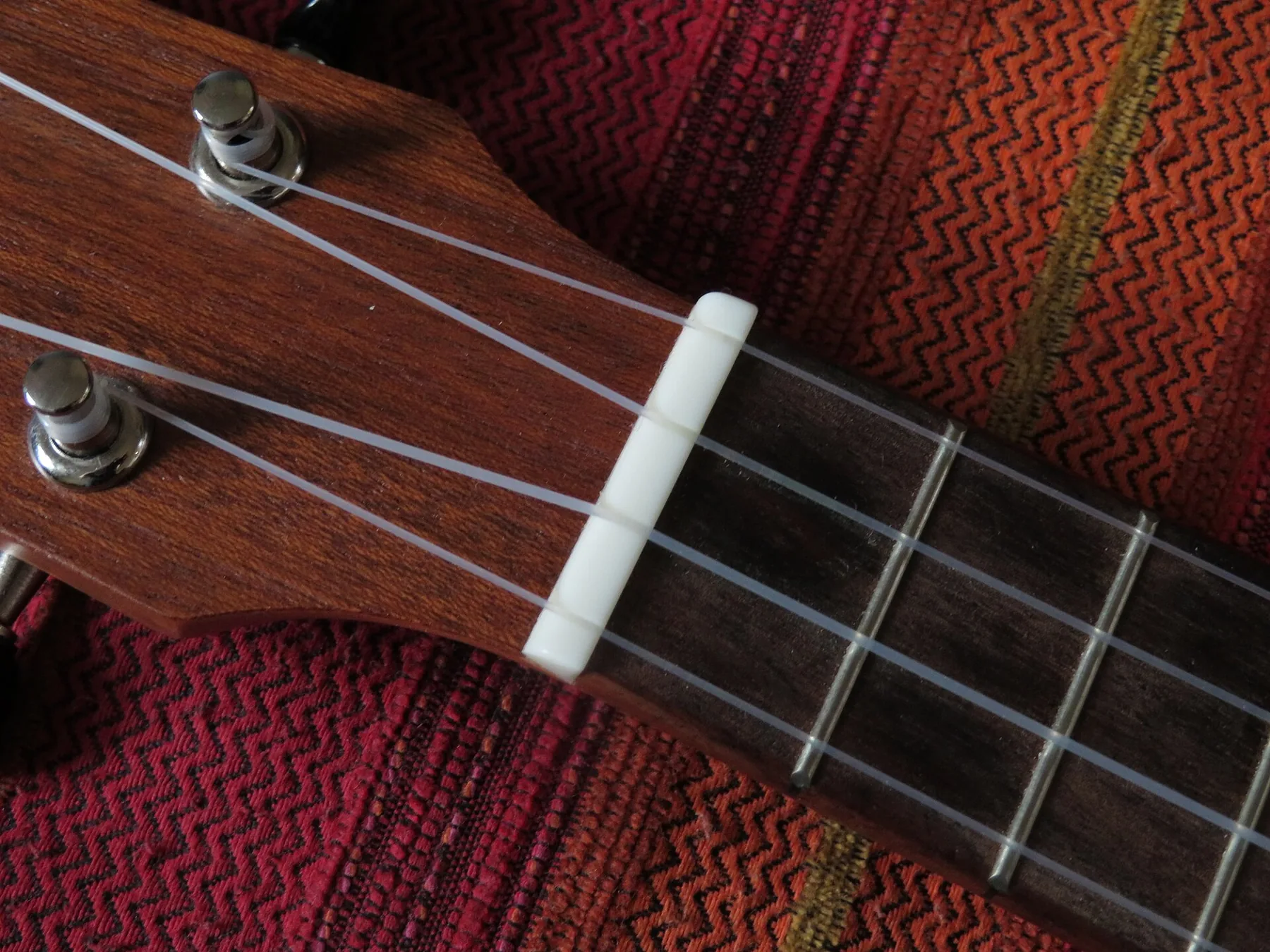
Left-handed ukuleles are designed for left-handed players. Their strings and necks are adapted for left-handed playing. To choose one, examine the different models and their features. A buying guide can help beginners find the right ukulele.
Ukuleles come in several sizes: soprano, concert, tenor and baritone. Beginners should choose a soprano or concert ukulele because they are easier to play. Left-handed models have features that make them more comfortable. They suit left-handed players who want to learn to play music.
Several factors affect the choice of a left-handed ukulele, including skill level, preferences and budget. Premium ukuleles, such as those by Romero Creations, offer exceptional sound and are very durable. “Blem” models are a good option for beginners because they cost less without sacrificing sound quality. A buying guide can help you find the right ukulele for your needs and budget.
Understanding the Features of a Left-Handed Ukulele
Left-handed players play the ukulele differently from right-handed players. The string order for a left-handed player is G, C, E, A. Start with the string closest to your head and finish with the one closest to your feet. It is essential to choose a left-handed ukulele that suits your needs and style.
Left-handed ukuleles are designed for comfort and ease of playing. It is important to consider the different sizes and shapes to find the best left-handed ukulele for you.
How They Differ from Standard Ukuleles
Left-handed ukuleles differ from standard ukuleles in important ways. Their strings are arranged to make playing easier for left-handed people. You should also consider the strings and tuning to find a ukulele suited to left-handed players that works for you.
Why Ergonomics Matter for Left-Handed Players
Ergonomics play an important role when choosing a left-handed ukulele. It is essential to find an instrument that feels comfortable. Left-handed players should consider the ukulele’s shape and size to find the best left-handed ukulele for their playing style.
Key Criteria for Choosing a Left-Handed Ukulele
Choosing a left-handed ukulele means considering several criteria. Size, material and price are essential. You need to find a ukulele that meets your expectations and fits your budget. The options range from a beginner’s left-handed ukulele to a premium left-handed ukulele for professionals, such as a professional left-handed ukulele.
When choosing a left-handed ukulele, consider the following:
- Size, from soprano to baritone
- Material, such as wood or plastic
- Price, which varies by quality and brand
- Features, such as nylon or steel strings
Considering these criteria is essential to making a good choice. Whether you are a beginner or a professional, there is a ukulele that meets your needs.
In short, choosing a left-handed ukulele involves considering size, material and price. These criteria will help you find a ukulele that suits you.
Price Guide and Available Ranges
Prices for left-handed ukuleles vary according to their quality and features. Choose a ukulele that fits your budget and needs. Beginners can find affordable models suited to different budgets and skill levels.
A comparison of left-handed ukuleles can help you choose the right model. Beginner ukuleles cost between €50 and €200. Premium models cost more than €300.
Entry Level (Under €100)
Entry-level ukuleles suit beginners. They cost less and offer acceptable sound. Made with less expensive materials, these models are still enjoyable to play.
Midrange (€100 to €300)
Midrange ukuleles offer better sound and playability. They are made with higher-quality materials and may have special strings. These models suit intermediate players.
Premium (Over €300)
Premium ukuleles offer superior quality. They are made with high-quality materials and have advanced features. These models suit professional players.
Left-Handed Ukuleles: Recommended Models by Skill Level
Left-handed ukuleles vary in difficulty and quality. It is essential to choose one suited to your skill level and needs. Beginners should opt for a soprano or concert ukulele, which is easier to handle.
For left-handed players, several recommended models are available for different skill levels. Here are some of the most popular:
Beginner Models
- Makala MK-S: an attractive, affordable and durable soprano ukulele.
- Kala Waterman series: ideal for children aged 5 to 9, weather-resistant and durable.
Intermediate Models
- Kala Ukadelic and Mahalo Rainbow ukuleles: under $60, ideal for preteens aged 10 to 13.
- Mahalo “Island” series wooden ukuleles: under $60.
Professional Models
- Premium Cordoba ukuleles: handmade, starting at $150.
- Cordoba 24S (soprano), Cordoba 25C (concert), Cordoba 24T (tenor) and Beaver Creek (baritone): models recommended for professionals.

By following this left-handed ukulele buying guide, you can find your ideal model. Choose a ukulele that lets you play comfortably and enjoy yourself.
The Best Brands Making Left-Handed Ukuleles
Left-handed people who want to play the ukulele often struggle to find a suitable instrument. Some brands, however, have made left-handed ukuleles part of their range. These ukuleles suited to left-handed players are designed for comfort and ease of playing.
Here are some of the best brands offering left-handed ukuleles:
- Kala
- Lanikai
- Cordoba
These brands offer a variety of models, from beginner instruments to high-quality professional left-handed ukuleles. Left-handed players can choose from different styles and sizes. They can find an instrument that suits them, whether it is a soprano, concert or tenor ukulele.

In summary, left-handed people who want to play the ukulele now have more choice. Brands offering left-handed models give them more ways to find a suitable instrument. These instruments are designed for comfort and ease of playing, so left-handed players can enjoy their passion for music.
| Brand | Model | Price |
|---|---|---|
| Kala | KA-CE | €200 |
| Lanikai | LU-21 | €150 |
| Cordoba | 15CM | €300 |
Conclusion: Getting Started with Your Left-Handed Ukulele
Choosing the right left-handed ukulele is essential to enjoying playing. Whether you are a beginner or an experienced player, the recommended models will help you progress.
With regular practice and this left-handed ukulele buying guide, you will soon feel comfortable playing. Use online resources and join player communities. You can then express your creativity and play your favorite songs.