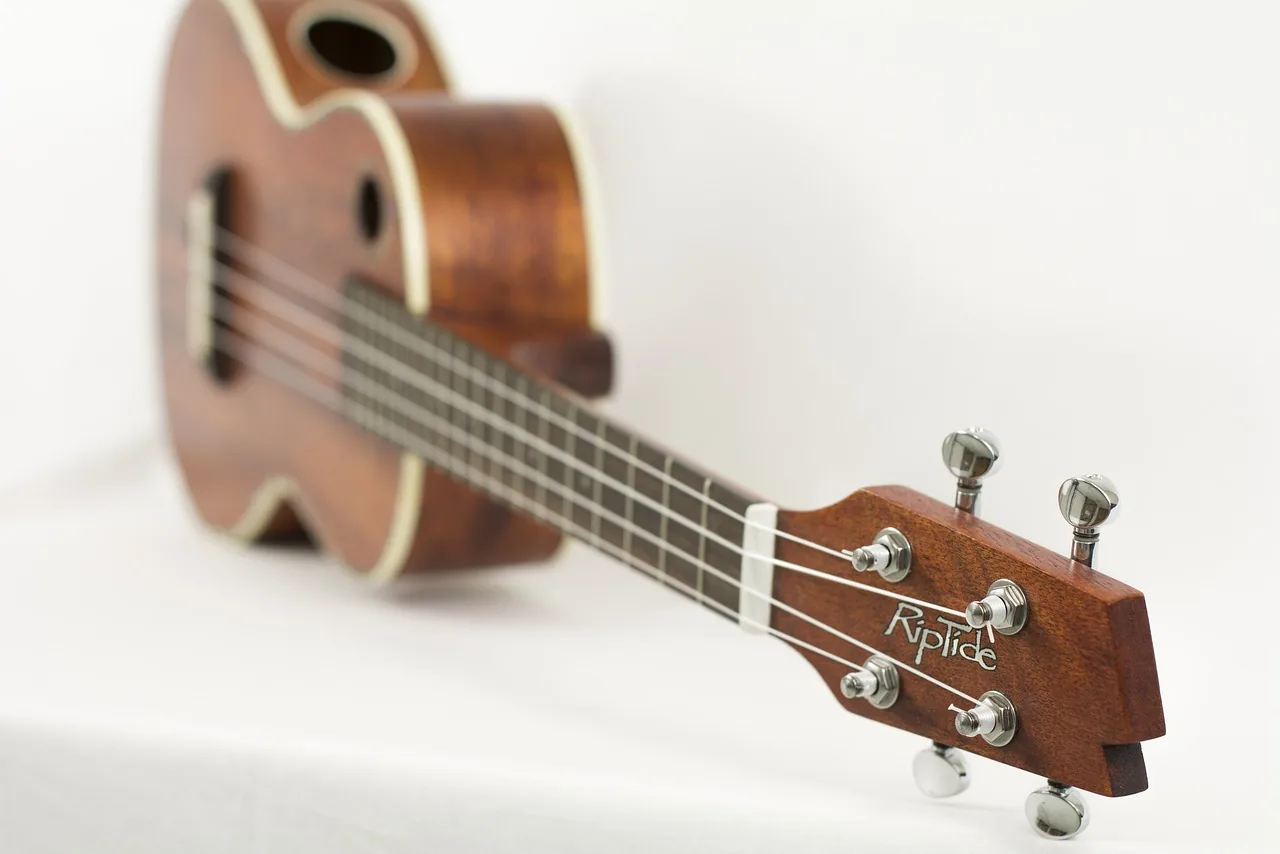
Acoustic-electric ukuleles are highly versatile. They are suitable for concerts, recording and rehearsals. They are an excellent choice for musicians who want a practical, versatile instrument.
They are also lightweight and easy to carry, making them ideal for musicians who travel often. They offer a wide range of sounds and styles suited to different genres of music.
Acoustic-electric ukuleles offer excellent sound quality. Their versatility makes them ideal for creating high-quality music. They are well suited to anyone looking to improve their skills with an acoustic-electric ukulele guide.
How an acoustic-electric ukulele works
An acoustic-electric ukulele uses a sound amplification system. This is essential for musicians who want to record or perform in public. A preamp boosts the signal before it is amplified.
There are several types of preamp systems, including active and passive ones. Piezoelectric pickups and microphones are also used. Each has advantages and disadvantages, depending on the musician’s needs.
To learn more about ukuleles, visit www.guitare.org/choisir-ukulele/. You will find details about sizes, materials and strings there.
Here is a table showing the sound characteristics of different ukulele sizes:
| Size | Sound characteristics |
|---|---|
| Soprano | Traditional sound, ideal for beginners |
| Concert | Slightly deeper sound, more space between the frets |
| Tenor | Richer sound, about 26 inches long |
| Baritone | Deep, powerful sound; the largest ukulele |
In short, an acoustic-electric ukulele works by capturing sound and sending it through a preamp. Musicians should choose the technology that suits their playing style.
The unique advantages of an acoustic-electric ukulele
Acoustic-electric ukuleles are highly versatile and suit many genres of music. The advantages of an acoustic-electric ukulele include being able to play in different settings, including on stage or in the studio. They also suit travelling musicians because they are lightweight and easy to carry.
Electric ukuleles can produce a wide range of sounds, making them suitable for various musical styles. Amplification systems are available for every budget, so musicians can choose one that meets their needs. Nylon strings are easier on the fingers than the steel strings used on some guitars.

Acoustic-electric ukuleles are versatile and offer exceptional sound quality. Brands such as Maloha and Lâg offer high-quality models. For more information about the advantages of an acoustic-electric ukulele, visit Ukebox.
Comparing traditional and acoustic-electric ukuleles
Many musicians are interested in comparing traditional and acoustic-electric ukuleles. They sound quite different. Traditional ukuleles have a gentle, intimate sound. Acoustic-electric models offer a fuller, more powerful sound.
Traditional ukuleles are better suited to intimate settings, such as acoustic concerts. Acoustic-electric models are better suited to large concerts and recording sessions. They are more versatile and practical for musicians seeking a wide range of sounds.
In terms of value for money, acoustic-electric models are often the better choice. The differences in sound and versatility can determine which instrument to choose. This comparison helps musicians select the right instrument for their music.
Key criteria for choosing an acoustic-electric ukulele
Choosing an acoustic-electric ukulele means considering several criteria for acoustic-electric ukuleles. Budget, skill level and personal preferences all matter. Examine the different acoustic-electric ukulele options on the market. Consider the size, shape, material and price of the acoustic-electric ukulele.
Beginners can choose simple, affordable models. Experienced musicians may look for durable instruments with excellent sound quality. It is also worth considering essential accessories, such as a case, tuner, spare strings and capos.
Acoustic-electric ukuleles are available at attractive acoustic-electric ukulele prices. Visit sites such as Apprendre le ukulélé or Ukebox. They provide plenty of information about ukuleles and their accessories.

Here are the points to consider when choosing an acoustic-electric ukulele:
- The instrument’s size and shape
- The material used to make it
- The price of the acoustic-electric ukulele and its value for money
- Accessories included or available separately
By considering these criteria for acoustic-electric ukuleles, you can find a ukulele that meets your needs and budget.
Conclusion: investing in an acoustic-electric ukulele
Choosing an acoustic-electric ukulele is a wise decision for musicians. Acoustic-electric ukuleles have become very popular. They let musicians play different styles and explore different sounds.
These instruments combine traditional acoustic sound with the option to play through an amplifier. They open up new possibilities for concerts, recording and rehearsals.
When choosing an acoustic-electric ukulele, consider its size and sound. Soprano, concert and tenor models each sound different. A baritone can even rival a guitar.
The choice of nylon or fluorocarbon strings has a strong effect on sound quality. With the right investment, musicians can find the electric ukulele that suits them perfectly.