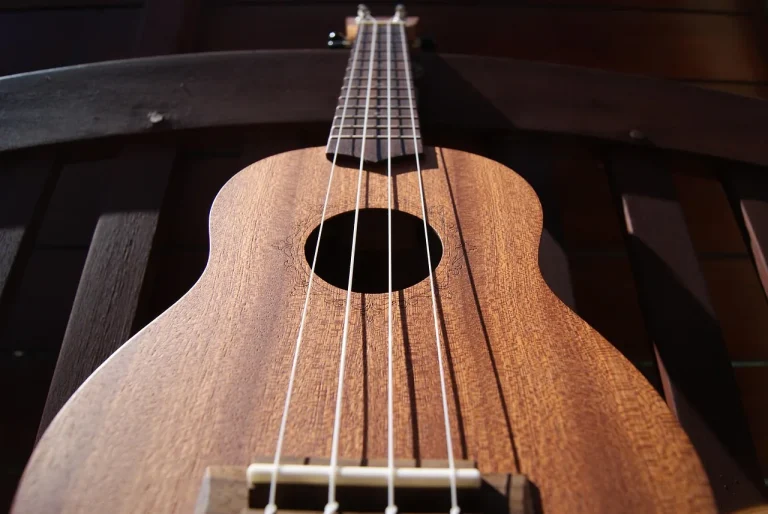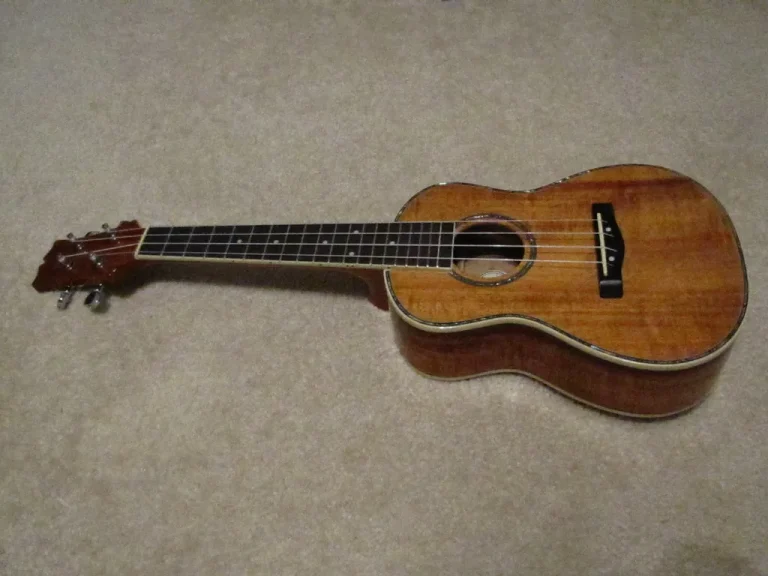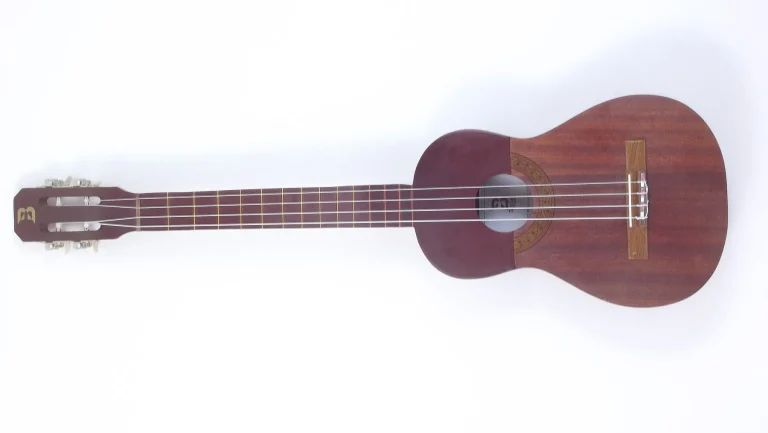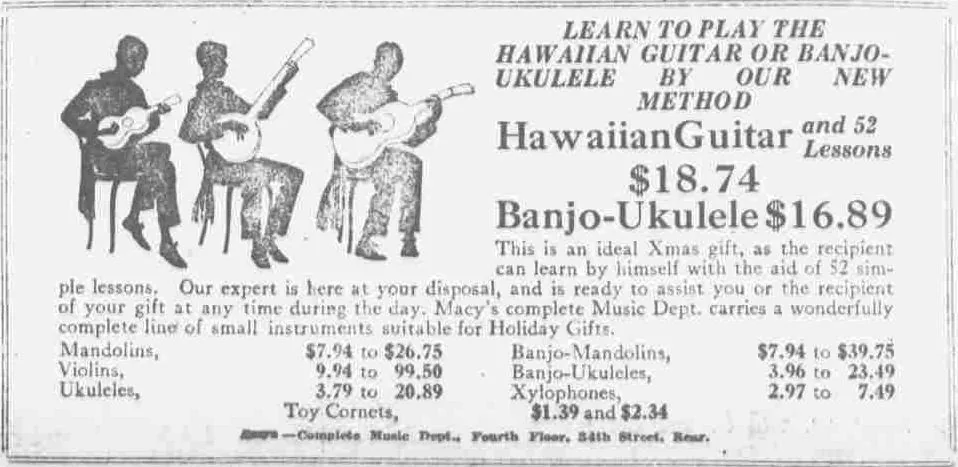
The ukulele is a very important traditional instrument in Polynesia. It symbolizes the Polynesian way of life. It is often heard at events such as birthdays and weddings.
The ukulele has a unique history. It arrived in Tahiti in the early 20th century. Since then, it has influenced Polynesian music, particularly through the Tahitian ukulele.
Tahitian ukuleles are distinctive. They are handmade using local materials. They represent Polynesian culture and its importance in music.
In 2015, more than 6,000 people played together in Papeete. They hoped to break a Guinness World Records record. The event shows the importance of the ukulele in Polynesia.
The ukulele continues to evolve and develop. New forms and styles are emerging in Polynesia.
The historical origins of the ukulele in Polynesia
The history of the ukulele is closely tied to Polynesian culture. Portuguese immigrants brought the instrument to Polynesia in the 19th century. On August 23, 1879, a ship called the Ravenscrag arrived in Honolulu with more than 400 Portuguese immigrants aboard.
Polynesian culture quickly embraced the ukulele. It became a symbol of Polynesian cultural identity. Its history reflects the cultural exchanges and influences that shaped Polynesian music.
- 1879: arrival of the first Portuguese immigrants in Honolulu
- 1883: coronation of King Kalākaua, who helped popularize the ukulele
- 1917: closure of Manuel Nunes’s factory, which made Nunes ukuleles
Polynesian culture continues to evolve, and the ukulele plays an important role in it. Polynesian instruments such as the ukulele have an essential place in traditional Polynesian music and dance.
The ukulele’s role in traditional Polynesian culture
The ukulele is very important in Polynesian culture. It is used in traditional music and Tahitian dance. Polynesian sounds are characterized in part by the ukulele, accompanied by drums and singing.
Polynesians have adopted the ukulele as a traditional instrument. It is used in many ceremonies and rituals. To learn more, visit ukebox.fr.
Here is how the ukulele is used in Polynesian culture:
- Accompanying traditional songs and dances
- Use in ceremonies and rituals
- Music for parties and celebrations
In short, the ukulele is essential to Polynesian culture. It is used in many ceremonies and rituals. Polynesian sounds are characterized in part by this instrument, a symbol of Polynesian culture.
| Instrument | Use |
|---|---|
| Ukulele | Accompanying traditional songs and dances |
| Drum | Use in ceremonies and rituals |
The distinctive features of the Polynesian ukulele
The ukulele is a very important traditional instrument in Polynesia. It often accompanies Tahitian dance, an essential part of Polynesian culture. Polynesians play gentle melodies that follow the dancers’ movements.
Polynesian ukuleles come in different types: soprano, tenor and baritone. Each has its own sound. Playing techniques such as plucking the strings create distinctive effects.
The different types of ukulele used
- Soprano ukulele: the smallest and highest-pitched ukulele
- Tenor ukulele: slightly larger than the soprano, with a richer sound
- Baritone ukulele: the largest ukulele, with a deeper sound
Polynesians tune the ukulele in particular ways. They use chords such as G major and C major. This creates melodies that harmonize with their culture. The ukulele is often played with other instruments, such as the tamouré, to enrich the music.

The ukulele in contemporary Polynesian music
Contemporary Polynesian music is highly varied. It ranges from traditional music to modern styles such as folk, metal and hip-hop. The ukulele is widely used, especially in traditional music and Tahitian dance. Its Polynesian sounds help create distinctive melodies and harmonies.
Modern Polynesian artists enjoy using the ukulele. They create new sounds by blending traditional and modern styles. For example, the group Tahiti Formation combines traditional melodies with a modern touch. Hiva kakala (love songs) are often played with the ukulele, creating an intimate and moving atmosphere.
Here are some examples of contemporary Polynesian music styles that use the ukulele:
- Polynesian folk
- Polynesian metal
- Polynesian hip-hop
- Pacific reggae
- Pacific soul
These styles show the diversity and creativity of modern Polynesian music. The ukulele plays an essential role in creating these distinctive sounds.
| Music style | Characteristics |
|---|---|
| Polynesian folk | Traditional melodies with acoustic instruments |
| Polynesian metal | Heavy, distorted sounds with traditional influences |
| Polynesian hip-hop | Urban rhythms with lyrics in Polynesian languages |
Learning the ukulele in Polynesia
In Polynesia, ukulele playing is often passed down from generation to generation. This helps keep Polynesian culture alive. The ukulele is very important in this culture, especially for Tahitian dance.
Schools and teachers offer ukulele lessons. Books, videos and websites are also available for learning. Students can practice by imitating experienced musicians.
Traditional teaching methods
Traditional methods rely on oral instruction and demonstration. Teachers show students specific techniques and chords. Students also learn how to care for the instrument.
Modern schools and teachers
Modern schools and teachers combine traditional and modern methods. They teach both the basics and advanced techniques. They also offer resources such as books and videos.
In summary, learning the ukulele in Polynesia is rewarding. Students discover the culture and develop musical skills. Different teaching methods and resources provide many ways to learn.
| Learning method | Advantages | Disadvantages |
|---|---|---|
| Traditional methods | Preservation of Polynesian culture; transmission of traditional playing techniques | Limited accessibility and flexibility |
| Modern schools and teachers | Modern, flexible approaches; varied learning resources | High costs; weaker connection to traditional culture |
The ukulele as a symbol of Polynesian cultural identity
The ukulele is a very important traditional instrument in Polynesian culture. It is often played at ceremonies and helps preserve musical heritage.
Tahitian dance, such as ‘Ori Tahiti, is a major symbol of Polynesian culture. Tahitian dance performances attract many visitors throughout the year.
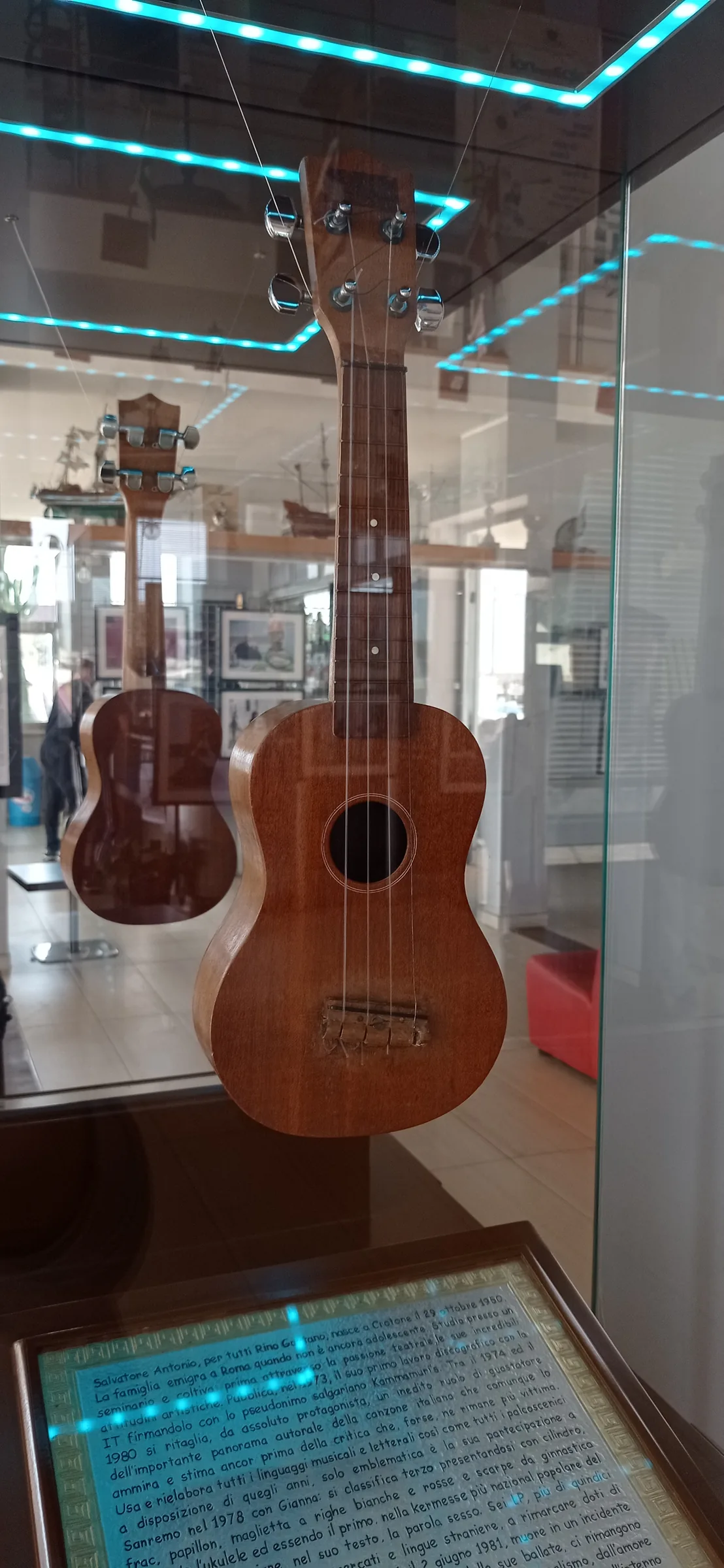
Here are some key points about the ukulele’s importance in Polynesian culture:
- It accompanies Tahitian dance at traditional ceremonies.
- It is a symbol of Polynesian cultural identity.
- It helps preserve Polynesian musical heritage.
In summary, the ukulele is a very important traditional instrument in Polynesian culture. It plays a key role in ceremonies and the preservation of musical heritage. Tahitian dance is also a fundamental symbol of Polynesian culture. Tahitian dance performances are essential to local culture.
| Instrument | Importance |
|---|---|
| Ukulele | Symbol of Polynesian cultural identity |
| Tahitian dance | Fundamental symbol of Polynesian culture |
The international influence of the Polynesian ukulele
The Polynesian ukulele has gained international popularity. It is appreciated in traditional music and Tahitian dance. Artists such as Ryane and Maruarii have helped make it popular. For more information about Polynesian culture and its influence on music, follow the link.
Polynesian sounds are central to this influence. They offer distinctive melodies and rhythms. Combined with other traditional instruments, the ukulele creates an authentic musical experience.
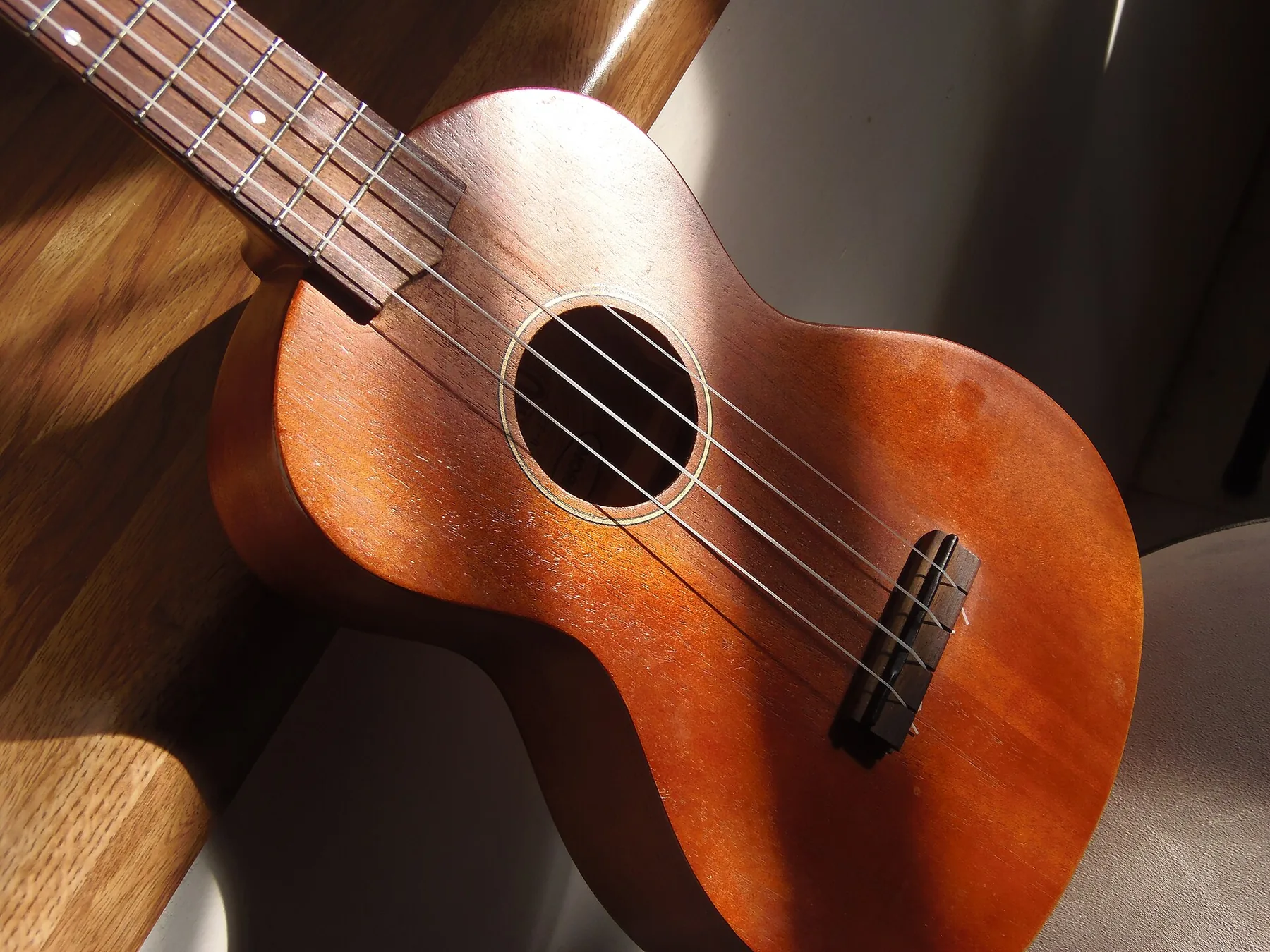
Polynesian artists have played a key role. They have introduced traditional music and Tahitian dance to international audiences. Their performances and teaching have helped people around the world discover Polynesian culture.
Conclusion: the future of the ukulele in Polynesian music
The ukulele came from elsewhere, but its influence continues to grow. It has become a symbol of Polynesian culture. It plays a major role in music and dance, especially Tahitian dance.
It has a distinctive sound. The ukulele is essential to the identity of the Pacific islands.
Polynesian communities work to pass on this heritage. They teach young people to play the ukulele. In this way, musical traditions are preserved.
The ukulele plays an important role in ceremonies. It also influences modern culture. It is an important expression of Polynesian culture.
Despite international influences, the Polynesian ukulele continues to thrive. It shows the strength and vitality of this tradition. Its future combines modernity with respect for its roots.
FAQ
What is the history of the ukulele in Polynesia?
What role does the ukulele play in traditional Polynesian culture?
What are the distinctive features of the Polynesian ukulele?
How important is the ukulele in contemporary Polynesian music?
How is the ukulele learned and passed on in Polynesia?
What is the ukulele’s role as a symbol of Polynesian cultural identity?
What international influence has the Polynesian ukulele had?
Source links
- https://en.wikipedia.org/wiki/Tahitian_ukulele
- https://blog.tahiti.com/2013/06/20/tahitian-music-ukulele-festival/
- https://ukulele.org/inductees/1997-1998/david-kalakaua/
- https://www.ukecandoit.org/home/new-to-ukulele/faqs
- https://folkways.si.edu/the-royal-tahitian-dance-company/world/music/album/smithsonian
- https://www.hawaii.edu/malamalama/2007/01/f1_ukulele.html