The ukulele is a popular instrument with a Hawaiian sound and a compact size that makes it easy to carry. To choose the best ukulele for your style, consider factors such as its size, brand and type. In this section, we present five of the best ukuleles for beginners and introduce some well-known brands.
The criteria for choosing a ukulele are essential to finding the right instrument. Whether you want an electric ukulele for the stage or an acoustic ukulele for relaxed playing, this guide has you covered. Our comprehensive buying guide gives you the information you need to make an informed choice. Explore the different types of ukulele, well-known brands, tuning and strings, as well as our selection of the best ukuleles on the market.
The different types of ukulele
There are four main types of ukulele: soprano, concert, tenor and baritone. Each has its own characteristics and advantages in terms of size, sound and playing possibilities.
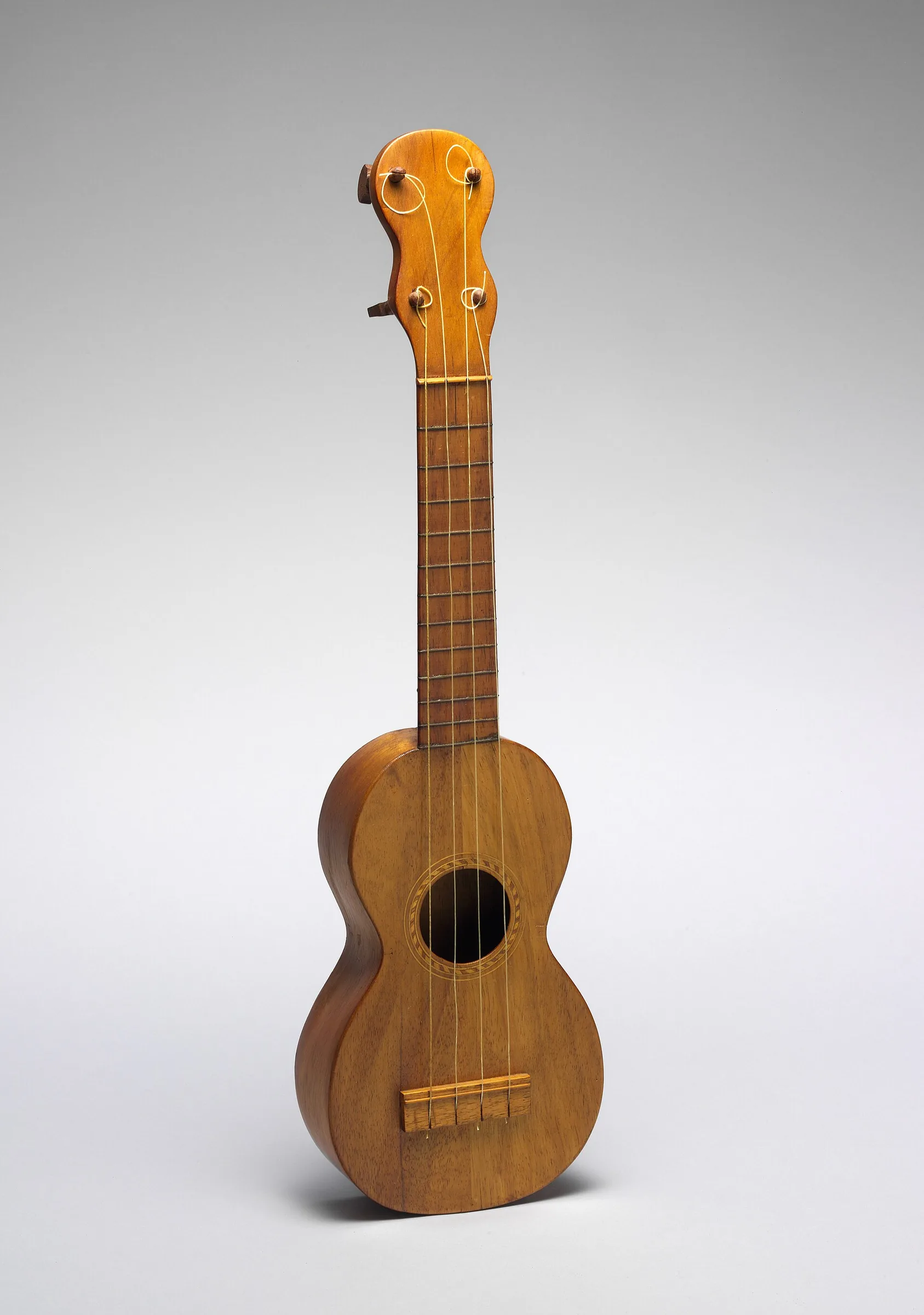
The soprano is the smallest ukulele and is generally about 53 centimetres long. It produces a clear, lively sound and suits beginners and players with small hands.
The concert is slightly larger than the soprano, with an average length of about 58 centimetres. It balances size and sound, offering a richer tone and more volume than the soprano.
The tenor is a little larger than the concert and measures about 66 centimetres long. It produces an even deeper, more resonant sound, making it a popular choice among advanced and professional musicians.
The baritone is the largest ukulele and is generally about 76 centimetres long. Its sound resembles that of a classical guitar, and it is tuned differently from the other types: DGBE instead of GCEA.
Alongside these traditional types are hybrid ukuleles, such as the guitalele, a cross between a ukulele and a classical guitar, and the banjolele, a cross between a ukulele and a banjo.
To help you understand the differences between these types of ukulele, here is a comparison table:
| Type | Size | Sound | Playing possibilities |
|---|---|---|---|
| Soprano | Small, about 53 cm | Clear, lively | Beginners, small hands |
| Concert | Medium, about 58 cm | Rich, with more volume | Balance between size and sound |
| Tenor | Large, about 66 cm | Deep, resonant | Advanced and professional musicians |
| Baritone | Very large, about 76 cm | Similar to a classical guitar | Different tuning, powerful sound |
Various accessories can also improve your playing experience, including spare strings, tuners, carrying cases and picks. These accessories make your ukulele more versatile and let you personalise it.
Ukulele buying guide
When buying a ukulele, it is important to consider the brand. Many renowned brands offer a wide range of quality ukuleles, each with its own characteristics. Some of the most popular ukulele brands are Kala, Luna, Mahalo and Fender. They are known for the build quality, sound and durability of their instruments.
Ukulele prices can vary considerably depending on several factors. High-quality ukuleles made with premium materials and advanced features can cost more. The instrument’s size can also affect its price. Larger ukuleles, such as baritones, often cost more than smaller models, such as sopranos and concerts.
To help you make an informed decision, here is a comparison of some of the most respected ukulele brands:
- Kala: this American brand is known for its high-quality ukuleles for players of all levels. Kala ukuleles offer excellent sound, careful craftsmanship and a variety of models to suit different tastes and preferences.
- Luna: Luna ukuleles are known for their distinctive appearance and artistic finishes. As well as looking beautiful, they are appreciated for their warm sound and comfortable playability.
Your choice of brand depends on your needs and budget. If you are a beginner, an affordable but reliable ukulele may be a sensible choice, while experienced musicians may prefer to invest in a higher-end model with exceptional sound quality.
To give you an idea of costs, here are some general ukulele price ranges:
- Budget ukuleles: under €50
- Mid-range ukuleles: €50 to €200
- High-end ukuleles: over €200
Bear in mind that prices can vary with each model’s features. It is also wise to compare prices and read user reviews before buying.
Once you have a reputable brand and a budget in mind, you will be ready to choose the ukulele that best suits your needs and playing style.
Ukulele tuning and strings
Tuning a ukulele is essential to getting a harmonious, pleasing sound. Tuning can vary by ukulele type. Soprano, concert and tenor ukuleles are generally tuned GCEA, while baritone ukuleles are tuned DGBE.
To make tuning easier, some brands offer ukuleles with a built-in tuner. This lets you check quickly and easily whether your strings are in tune.
Strings play a crucial role in a ukulele’s sound. They contribute to the instrument’s projection, resonance and overall sound quality. There are different types of ukulele strings, each with its own characteristics and sound.
| String type | Characteristics |
|---|---|
| Gut strings | Offer a warm, vintage sound |
| Nylon strings | Ideal for beginners, with a soft, melodic sound |
| Plastic strings | Resist moisture and stay in tune longer |
| Titanium strings | Offer a bright sound and a good balance between bass and treble |
| Steel strings | Produce a louder, brighter sound, ideal for more energetic playing styles |
Choose strings that suit your playing style and sound preferences. If you are unsure which type to choose, ask a professional for advice or check your ukulele manufacturer’s recommendations.
“Strings play a crucial role in a ukulele’s sound. Choose ones that suit your playing style and sound preferences.”
It is a good idea to change your ukulele strings regularly, as they naturally stretch and lose their tone over time. New strings can give your instrument a fresh sound and considerably improve its tone.
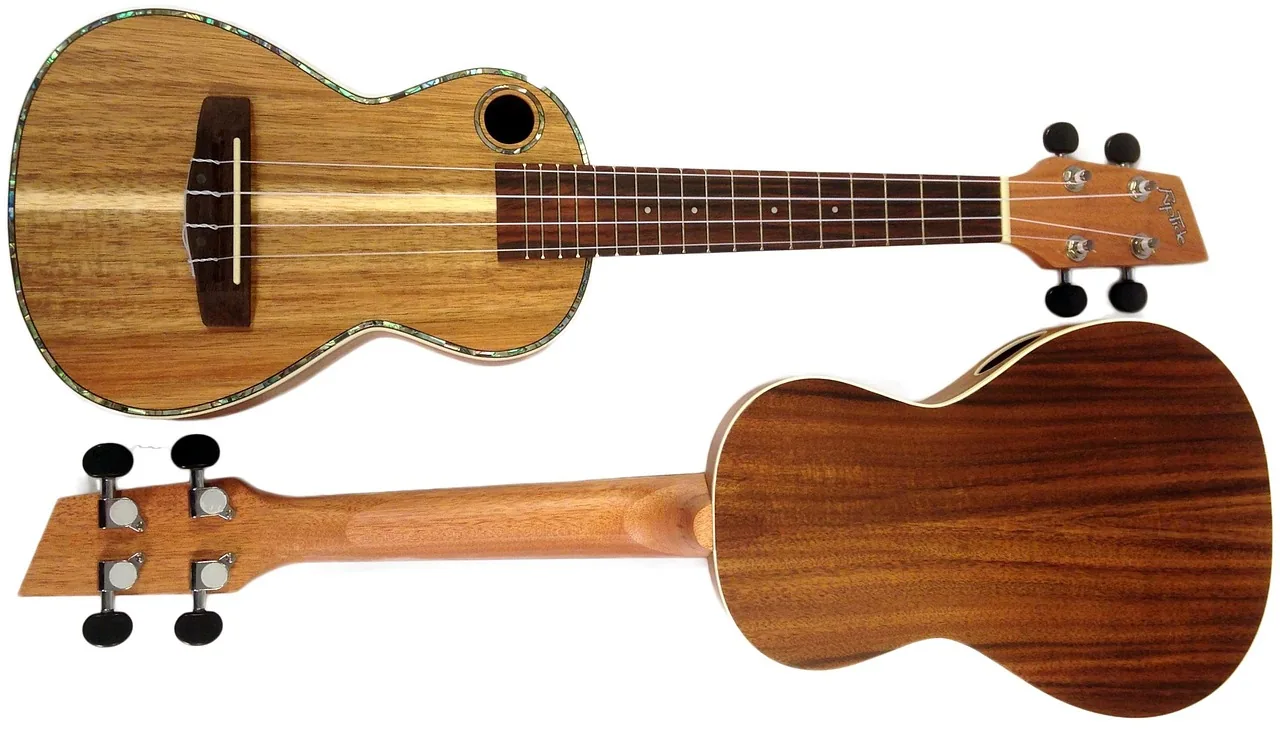
In the next section, we explore the factors to consider when choosing the best ukulele for you, including size, brand and sound quality.
How to choose your ukulele
To choose the right ukulele, consider several factors. Here are the main points to keep in mind:
Ukulele size
Ukulele size is a deciding factor. The sizes available include soprano, concert, tenor and baritone. Each offers a different sound and playing possibilities. For example, soprano ukuleles are compact and suit beginners or people with small hands, while tenor ukuleles offer a deeper sound and suit advanced musicians. Choose a size that feels comfortable and fits your playing style.
Ukulele sound quality
Ukulele sound quality is another important consideration. Every ukulele has its own sound, influenced by the materials used and the way the instrument is built. Before buying, try a ukulele and listen carefully to the sound it produces. Some brands are known for excellent sound quality, so it may help to learn more about them.
How a ukulele feels in your hands
How a ukulele feels in your hands is essential, especially if you plan to play for long periods. Choose a ukulele with a comfortable neck and string action suited to your playing level. A well-balanced instrument that is easy to hold will make playing more enjoyable.
Playing styles suited to different ukulele sizes
Each ukulele size suits particular playing styles. Soprano ukuleles, for example, are commonly used in traditional Hawaiian music, while tenor ukuleles are often used for more virtuosic solos. Choose a size that suits the style of music you want to play.
By considering these factors, you can choose a ukulele that meets your needs and musical preferences. It is also a good idea to visit a music shop to try different models and get expert advice.
Ukulele prices
Ukulele prices vary according to several factors, including the brand, size and quality of the instrument. Whether you want a budget ukulele or a high-end model, there is a wide range of options available.
Budget ukuleles
If you are a beginner or have a limited budget, you can find budget ukuleles for under €50. These models offer reasonable quality for getting started and are an affordable way to discover the instrument without spending a large sum.
High-end ukuleles
If you want higher quality and are ready to spend more, high-end ukuleles can cost several hundred euros. These instruments are made with high-quality materials and offer exceptional sound. High-end ukuleles are often handmade by skilled, respected luthiers.
Prestigious ukulele brands
Many renowned brands specialise in making quality ukuleles. Some, such as Kamaka, are known for their expertise and long-standing craftsmanship. These prestigious brands offer a wide range of ukuleles for all playing levels, with prices that vary by model.
Prices by ukulele size
A ukulele’s price can also vary by size. Soprano, concert, tenor and baritone ukuleles have different price ranges because of their characteristics and dimensions. Baritone ukuleles, for example, are often slightly more expensive because of their larger size and distinctive sound.
To help you find a ukulele within your budget, here is an overview of price ranges by size:
| Ukulele size | Price range |
|---|---|
| Soprano | €50 to €200 |
| Concert | €100 to €300 |
| Tenor | €150 to €500 |
| Baritone | €200 to €700 |
Whether you want a budget ukulele or a high-end model, consider your needs, playing level and budget to make an informed choice. Quality ukuleles are available at a range of prices, so you can find an instrument that meets your expectations.
Conclusion
In short, choosing an electric-acoustic ukulele that suits your needs and playing style means considering several essential factors. Size matters: soprano, concert, tenor and baritone ukuleles offer different sounds and playing possibilities. Renowned brands such as Kala and Luna are recommended for the quality of their instruments and their experience making ukuleles.
Tuning and strings also play a crucial role in a ukulele’s sound. Learn about the available string types, including gut, nylon, plastic, titanium and steel, then choose the ones that best suit your playing style.
We hope this buying guide has given you the information you need to make an informed decision when purchasing your electric-acoustic ukulele. By following our recommendations, considering your personal preferences and choosing among the recommended ukulele brands, you can find a ukulele that provides an enjoyable and delightful playing experience.
FAQ
What factors should you consider when choosing an electro-acoustic ukulele?
The important factors when choosing an electro-acoustic ukulele are its size, brand and type.
What types of ukulele are available?
The different types of ukulele are soprano, concert, tenor and baritone, as well as hybrids such as the guitalele and banjolele.
Which ukulele brands are well known?
Well-known ukulele brands include Kala, Luna, Mahalo and Fender.
How do you tune a ukulele?
You can tune a ukulele using a built-in or external tuner, or by ear.
What are the different types of ukulele strings?
The different types of ukulele strings include gut, nylon, plastic, titanium and steel strings.
Which ukulele size should you choose?
The ukulele size you choose depends on your musical preferences and playing style.
How much do ukuleles cost?
Ukulele prices vary by brand, size and instrument quality.