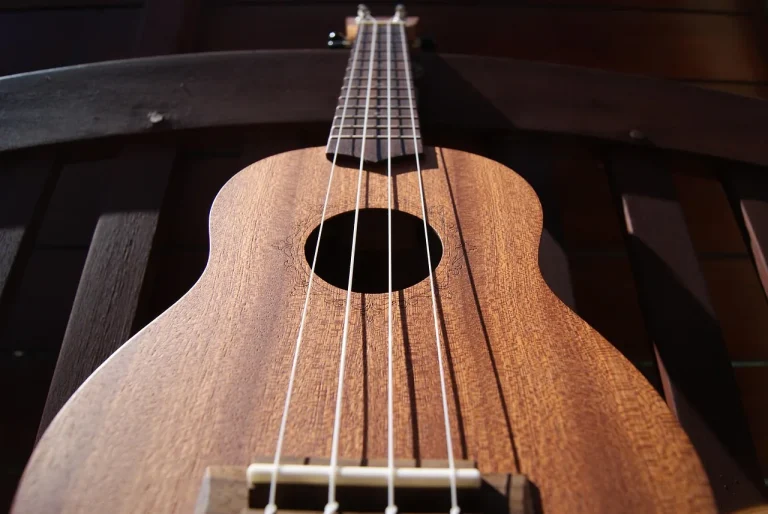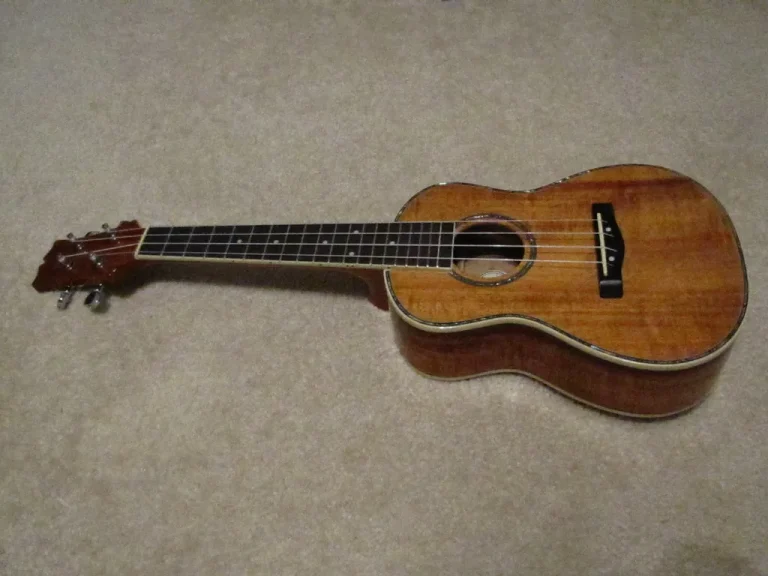
Before you start tuning your ukulele, get a chromatic tuner. Hold your ukulele so you can easily identify the strings, numbered 1 to 4. Most ukuleles are tuned in C (G, C, E, A) or D (A, D, F#, B), while baritone ukuleles are tuned like a guitar (D, G, B, E). To tune a string, turn its tuning peg to increase or decrease its tension. Take care not to overtighten the strings, as this could damage your ukulele.
How to Tune a Ukulele with a Tuner
To tune your ukulele with a tuner, you will need a chromatic tuner set to 440 Hz and flat mode. Follow these steps for accurate tuning:
- Play each string of your ukulele separately.
- Watch the tuner’s display and adjust the tension of each string by turning its tuning peg.
- Turn the peg clockwise to increase the tension and counterclockwise to decrease it.
- Keep adjusting each string until the tuner shows that the note is in tune.
- Start with the lowest-numbered step in the tuning sequence, the fourth string, then continue in order.
Follow the tuner’s display throughout the process to ensure accurate tuning of your ukulele.
Here is what a commonly used chromatic tuner looks like:
With a tuner, you can tune your ukulele quickly and effectively. You can then play in harmony with other musicians and enjoy making music.
How to Tune a Ukulele Without a Tuner
You can tune your ukulele without a tuner. One common method is to use a reference instrument, such as a piano or another ukulele that is already in tune. You can also tune your ukulele by ear by comparing its notes with those of another instrument. If you are a beginner, using a tuner is recommended to ensure accurate tuning.
Using a reference instrument is a simple way to tune your ukulele without a tuner. You can use a piano or another ukulele that is already in tune. Play each string of your ukulele and compare its note with the corresponding note on the reference instrument. Turn the tuning pegs to adjust the string tension until the notes match.
If you have a good ear for music, tuning by ear may be an option. Listen carefully to notes played on another instrument, such as a piano, and compare them with the notes of your ukulele strings. Adjust the string tension until the notes match. This method takes practice and a degree of musical sensitivity, but it is a valuable skill to develop.
However, if you are a beginner or want precise tuning, using a tuner is strongly recommended. Electronic tuners are easy to use and offer excellent accuracy.
Tips for tuning by ear:
- Listen carefully to reference notes played on another instrument that is already in tune.
- Compare those notes with the ones produced by your ukulele.
- Turn the tuning pegs to adjust the string tension until the notes match.
Tips for using a reference instrument:
- Use a piano or another ukulele that is already in tune as your reference.
- Compare its notes with those played on your ukulele.
- Adjust the string tension according to the difference between the notes until they match.
Tuning your ukulele without a tuner can help develop your musical ear and deepen your familiarity with the instrument. Accurate tuning is essential for a harmonious sound, though. If you want the best accuracy, use a tuner.
Tips for Easy Ukulele Tuning
Tuning your ukulele can sometimes be difficult, but a few tips can make it easier. Follow this advice to tune your ukulele accurately and efficiently:
- Tune your ukulele regularly: Changes in temperature and humidity can affect the tuning of your ukulele strings. Make a habit of tuning it regularly to keep it sounding right.
- Use a shared tuning reference: If you play with other musicians, agree on a common tuning reference. That way, all the ukuleles will be in tune with one another and sound pleasant when you play together.
- Do not overtighten the strings: Avoid putting too much tension on the strings when tuning your ukulele. This could damage your instrument and affect its sound. Keep each string at an appropriate tension.
- Consider having a luthier set up your ukulele: If your ukulele keeps going out of tune despite repeated attempts to tune it, consider taking it to a professional luthier. They can adjust its strings and hardware to help it stay in tune.
With these tips, you can tune your ukulele more easily and achieve a harmonious sound. Practise regularly to improve your tuning technique and get the most from your ukulele.
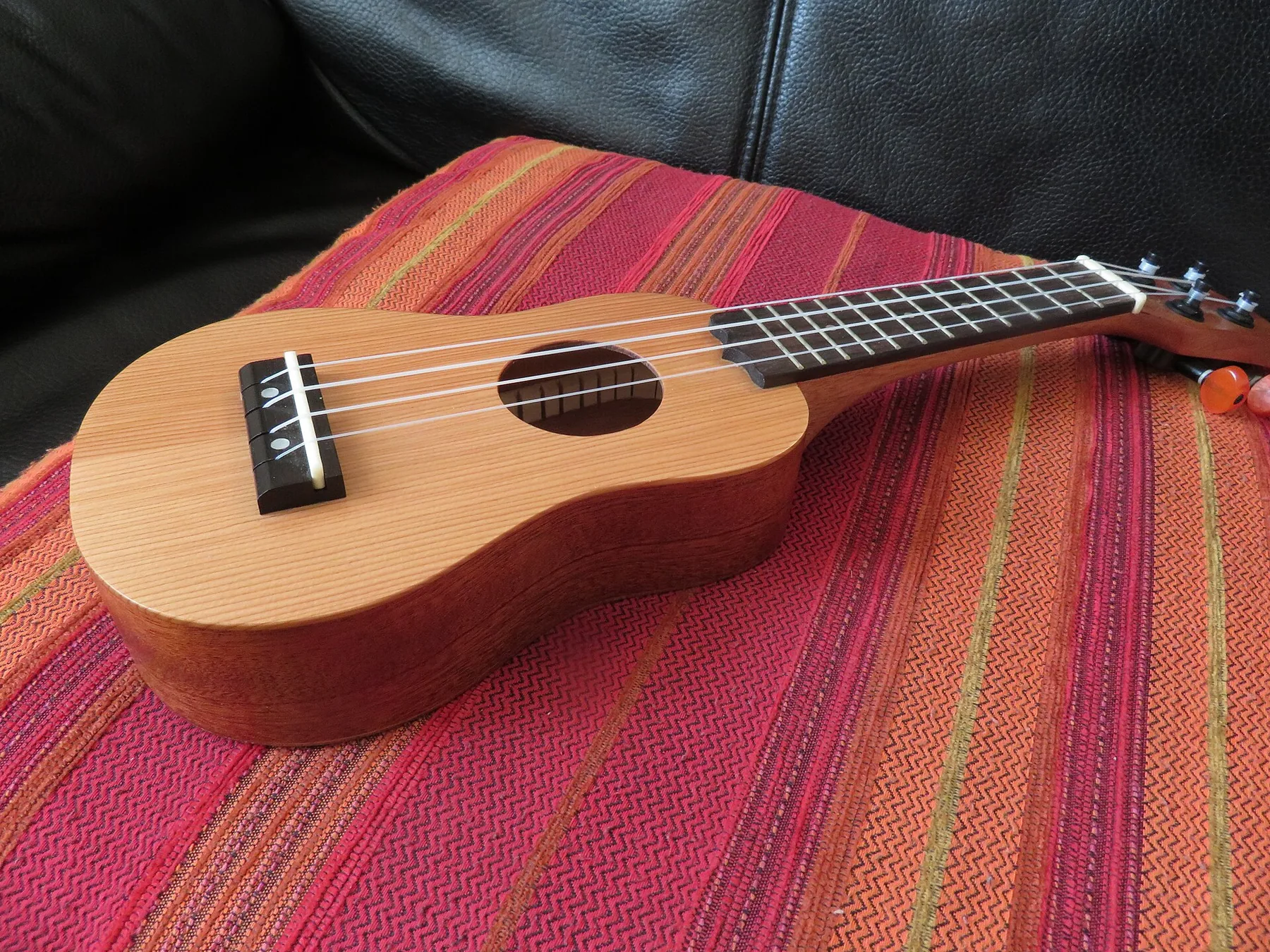
Table of tips for easy ukulele tuning:
| Tip | Description |
|---|---|
| Tune regularly | Tune your ukulele regularly so changes in temperature and humidity do not leave it out of tune. |
| Use a shared reference | Agree on a common tuning reference when playing with other musicians so your instruments sound harmonious together. |
| Do not overtighten the strings | Avoid putting too much tension on the strings while tuning, as this could damage your ukulele and affect its sound. |
| Consider a professional setup | If tuning problems persist, have a professional luthier set up your ukulele. |
Conclusion
Tuning your ukulele may seem daunting at first, but with a little practice and the right techniques, you can achieve accurate, harmonious tuning. Use a tuner for the greatest accuracy, or learn to tune by ear if you want to develop that skill. Check your ukulele’s tuning regularly and adjust the strings when needed. With these tips, you can enjoy your ukulele and play beautiful melodies.
FAQ
What do I need before I start tuning my ukulele?
You will need a chromatic tuner.
How should I hold my ukulele for tuning?
Hold your ukulele so you can easily identify the strings, numbered 1 to 4.
How are ukuleles usually tuned?
Most ukuleles are tuned in C (G, C, E, A) or D (A, D, F#, B).
How do I tune a ukulele with a tuner?
Make sure the tuner is set to 440 Hz and flat mode. Play each string and adjust its tension until the tuner shows that the note is in tune.
How do I tune a ukulele without a tuner?
You can use a reference instrument or tune your ukulele by ear by comparing its notes with those of another instrument.
What are some tips for easy ukulele tuning?
Tune your ukulele regularly, agree on a shared tuning reference when playing with other musicians, avoid overtightening the strings, and have a luthier set up your ukulele if needed.
How can I make sure my tuning is accurate?
Use a tuner for the greatest accuracy, or learn to tune by ear using the appropriate techniques.
Do I need to tune my ukulele regularly?
Yes. Changes in temperature and humidity can affect string tuning, so check it regularly and adjust it when necessary.