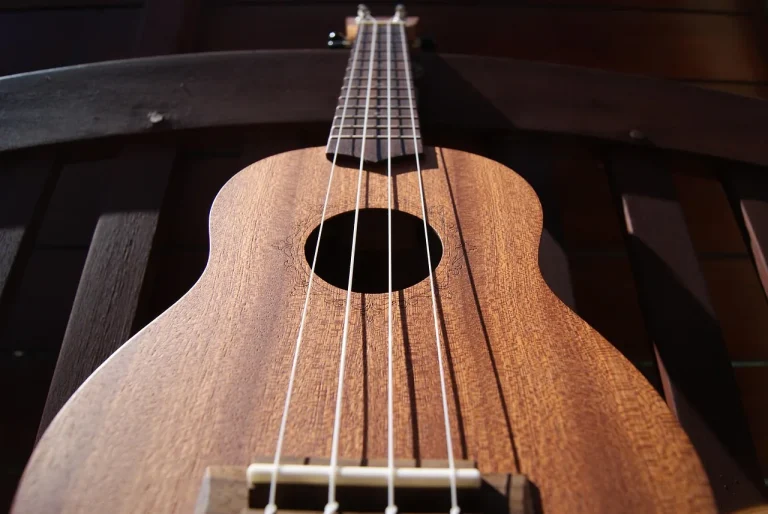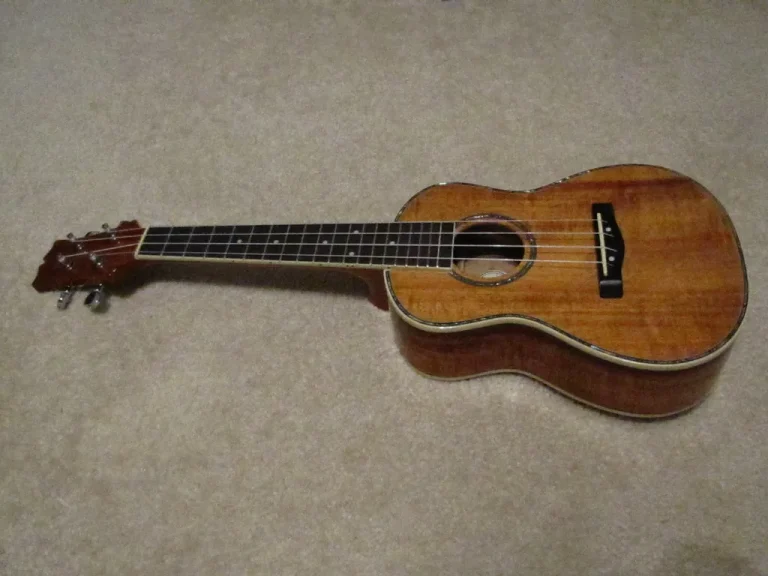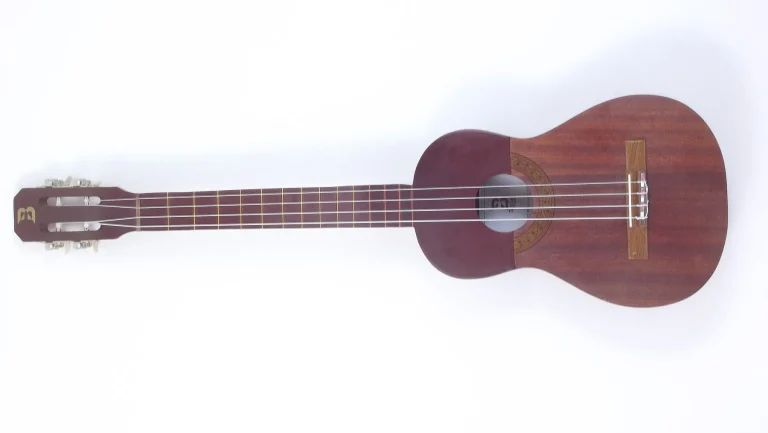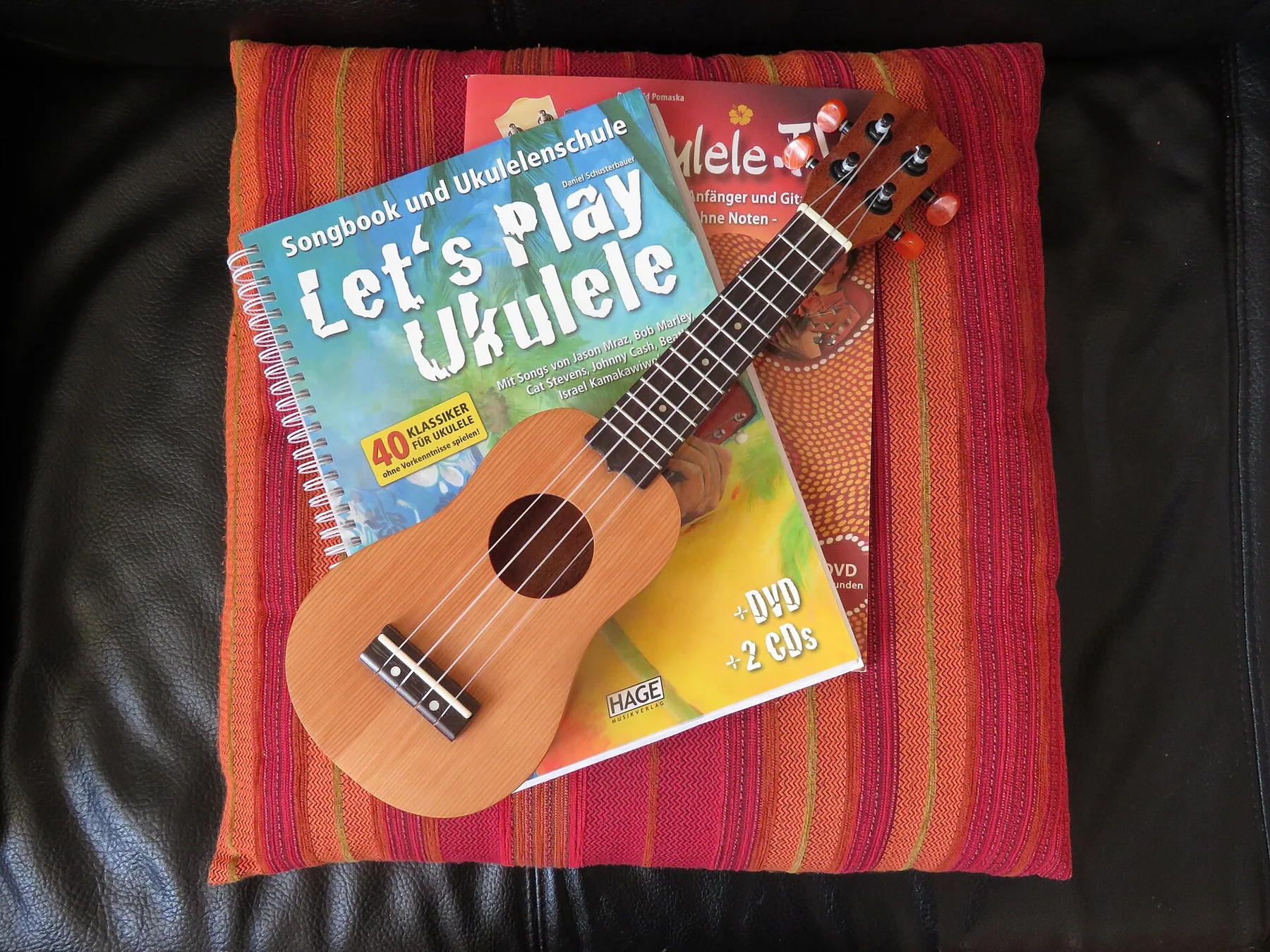
Ukuleles are easy instruments to learn and play. They suit everyone, whether you are a beginner or a professional. Playing is always a pleasure, especially with a soprano ukulele, concert ukulele or tenor ukulele.
There are four main ukulele sizes: soprano, concert, tenor and baritone. The soprano ukulele measures about 30 centimetres. Its small size and affordable price make it ideal for beginners. The concert ukulele measures about 38 centimetres and produces a warmer sound than the soprano.
It is important to choose a ukulele that suits your needs and preferences. You can choose a solid wood ukulele for its rich sound or a laminate ukulele for better value. The tenor ukulele is another option worth considering. Finding the right ukulele will help you enjoy playing and achieve your musical goals.
The different types of ukulele: an overview
There are four types of ukulele: soprano ukulele, concert ukulele, tenor ukulele and baritone ukulele. Each has its own characteristics. Soprano ukuleles are popular for their price and portability.
Here are some key characteristics of each type of ukulele:
-
- Soprano ukulele: 53 cm long, 12 to 15 frets
- Concert ukulele: 58 cm long, 15 to 20 frets
- Tenor ukulele: 66 cm long, 17 to 19 frets
Baritone ukulele: 76 cm long
Tenor ukuleles are appreciated by professional musicians for their rich sound. Baritone ukuleles have a low sound that suits slower music. Concert ukuleles offer a good balance between sound and ease of playing.
Which type you choose depends on your needs and playing level. Soprano ukuleles and concert ukuleles are great for beginners. Tenor ukuleles and baritone ukuleles are better suited to more experienced players.
| Ukulele type | Length | Number of frets |
|---|---|---|
| Soprano ukulele | 53 cm | 12 to 15 |
| Concert ukulele | 58 cm | 15 to 20 |
| Tenor ukulele | 66 cm | 17 to 19 |
| Baritone ukulele | 76 cm |
Understanding the soprano ukulele
The soprano ukulele is very popular. It measures about 53 cm and has 12 to 15 frets. To choose a ukulele, it helps to understand the differences between ukuleles.
Small and light, it suits both children and adults. Its sound is particularly bright and high pitched, making it ideal for simple melodies.
Here are the key points to consider when choosing a soprano ukulele:
- Size: 53 cm long
- Number of frets: 12 to 15
- Sound: very high pitched
- Weight: light
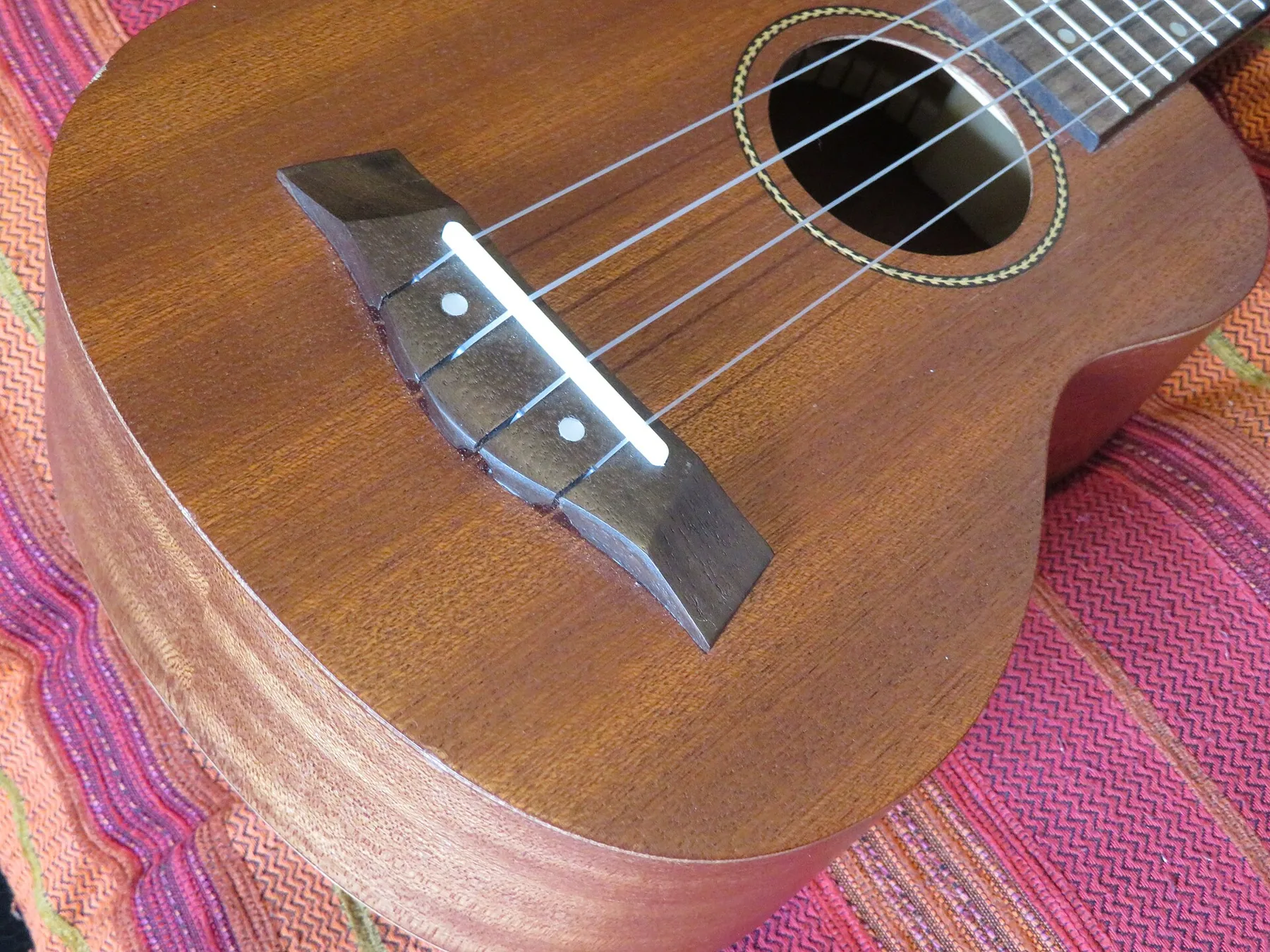
In conclusion, the soprano ukulele suits beginners and experienced players alike. Understanding the differences between ukuleles and the soprano’s characteristics will help you make the right choice.
The concert ukulele: features and advantages
The concert ukulele is popular with many musicians. It offers a good balance between ease of playing and sound quality. At about 58 cm long, with 15 to 20 frets, it produces a rich sound.
To choose a ukulele, it helps to understand the differences between ukuleles. The concert ukulele is appreciated for its warm sound. It suits players who want to add more depth to their music.
Here are the main characteristics of the concert ukulele:
- Length: about 58 cm
- Number of frets: 15 to 20
- Sound: rich and warm
- Playing: easy and comfortable
In conclusion, the concert ukulele is an excellent choice. Its versatility and ease of playing, together with its other characteristics, explain its popularity.
| Model | Length | Number of frets | Sound |
|---|---|---|---|
| Concert ukulele | 58 cm | 15 to 20 | Rich and warm |
| Soprano ukulele | 53 cm | 12 to 15 | Bright and clear |
| Tenor ukulele | 66 cm | 15 to 25 | Deep and resonant |
The advantages of the tenor ukulele
The tenor ukulele is a versatile instrument. Its rich, deep sound suits many styles of music.
It measures about 66 cm, making it larger than the concert ukulele. Its sound is deeper and warmer.
There are many differences between ukuleles, but the tenor stands out for its size and sound. It has 17 to 19 frets, allowing you to play more complex chords and melodies.
To choose a ukulele that suits your needs, consider the tenor’s characteristics:
- Instrument size: the tenor ukulele is larger and suits musicians with large hands.
- Sound: its deeper, warmer tone suits styles of music that call for a rich sound.
- Number of frets: its many frets allow you to play more complex chords and melodies.

In conclusion, the tenor ukulele is versatile and has a rich, deep sound. It suits many styles of music. By considering its characteristics, you can choose a ukulele that suits your needs and style.
| Ukulele type | Length | Number of frets | Sound |
|---|---|---|---|
| Tenor ukulele | 66 cm | 17 to 19 | Deep and warm |
| Concert ukulele | 58 cm | 15 to 17 | Midrange |
| Soprano ukulele | 48 cm | 12 to 15 | High pitched |
Comparing sound and ease of playing
Soprano, concert and tenor ukuleles each have their own characteristics. They differ in sound, ease of playing and suitability for different styles of music.
A ukulele’s size affects its sound. The soprano has a bright sound, while the tenor has a deeper sound. The concert offers a balanced sound. To compare ukuleles, you need to consider these differences.
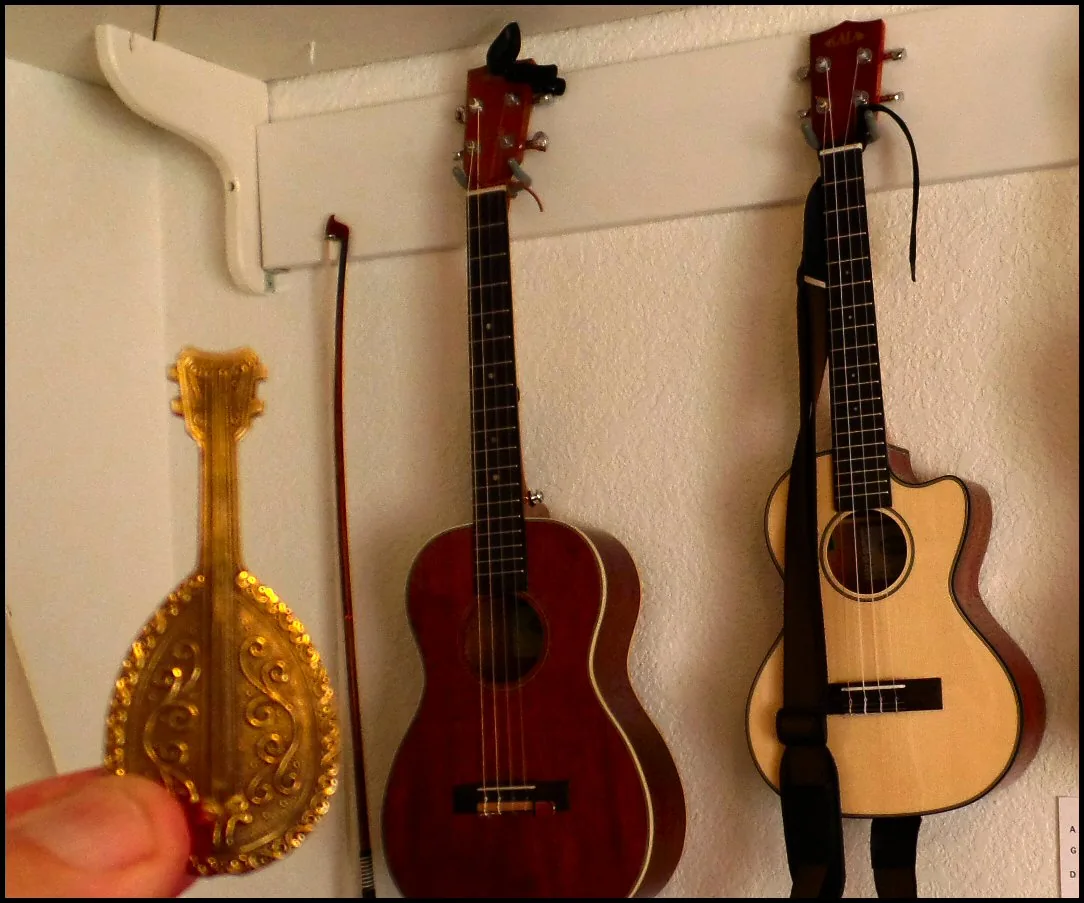
Instrument size also affects playing comfort. Smaller ukuleles, such as the soprano, are easier to hold if you have small hands. Larger ones, such as the tenor, are more comfortable if you have large hands. It is important to compare ukuleles to find the one that suits you.
Differences in sound
Differences in ukulele sound stem from their size and shape. The soprano measures 53 cm and the tenor 66 cm. These sizes affect the frequency and quality of the sound.
How size affects playing comfort
Instrument size affects playing comfort. Smaller models are light and easy to hold, making them suitable for small hands. Larger models are comfortable for large hands, but heavier.
Suitability for different styles of music
Soprano, concert and tenor ukuleles suit different styles of music. The soprano is ideal for Hawaiian music, while the tenor suits jazz and blues. The concert is versatile and works with several styles. To compare ukuleles, think about the styles you want to play.
Buying guide: which ukulele should you choose for your level and needs?
Choosing a ukulele depends on several factors, including your playing level and needs. Beginners should choose a model that is easy to play and also sounds good. This buying guide can help you make the right choice.
The main considerations for beginners are size, build quality and price. Solid wood ukuleles made from woods such as koa, mahogany and spruce are high quality. They produce a better sound than plywood or plastic models.
What beginners should look for
- Ukulele size: soprano, concert and tenor models are the most common.
- Build quality: solid wood ukuleles are often better quality than plywood or plastic ones.
- Price: entry level ukuleles can cost less than €50, while high quality models can cost more than €1,000.

It is essential to choose a ukulele that suits your needs and playing level. Trying to choose a ukulele may seem difficult, but these criteria will help you find the right model.
| Ukulele type | Length | Price |
|---|---|---|
| Soprano | 53 to 55 cm | Less than €50 |
| Concert | 58 to 60 cm | €50 to €200 |
| Tenor | 66 to 68 cm | €200 to €500 |
By following these criteria and considering your needs and playing level, you can find the ukulele that suits you. Then you can start playing with a beginner ukulele.
Conclusion: choosing the right ukulele for you
Choosing the right ukulele is essential to getting the most out of this instrument. Whether you are a beginner or an experienced player, there is a model that suits you. The advice in this article will help you find it.
For beginners, a soprano or concert is ideal: these models are smaller and easy to hold. If you have large hands or want a louder sound, consider a tenor ukulele or a baritone ukulele. Try different models before choosing the one that suits you.
FAQ
What are the different types of ukulele and their main characteristics?
What are the differences between soprano, concert and tenor ukuleles?
What are the distinctive features of the soprano ukulele?
What are the advantages of the concert ukulele?
What are the advantages of the tenor ukulele?
How do I choose the right ukulele for my level and needs?
Source links
- https://www.ni4d.org/which-ukulele-size-should-a-beginner-buy/
- https://ukulelehistory.info/teach-ukulele-kids-guide/size-comparison/
- https://ukutabs.com/ukulele-guides/ukulele-sizes-compared/
- https://www.westmusic.com/blog/how-to-choose-the-right-ukulele
- https://www.conseils-achat-ukulele.com/en/which-ukulele-should-you-choose-a-complete-guide-to-finding-the-right-one/