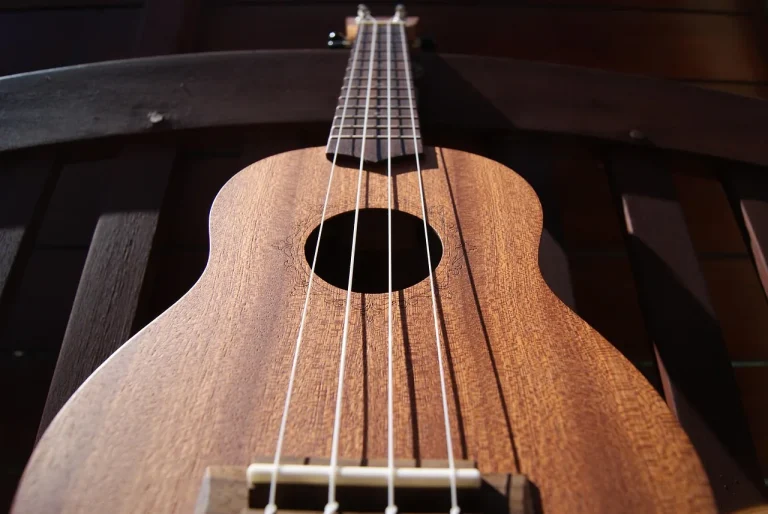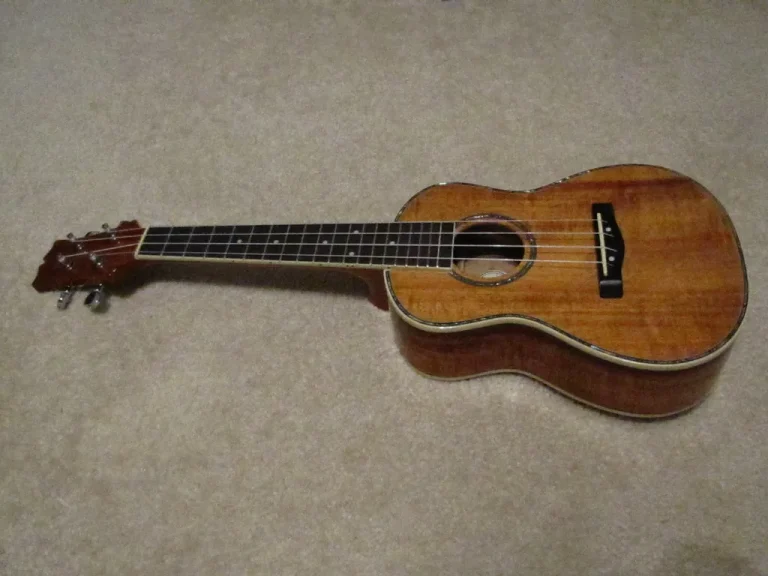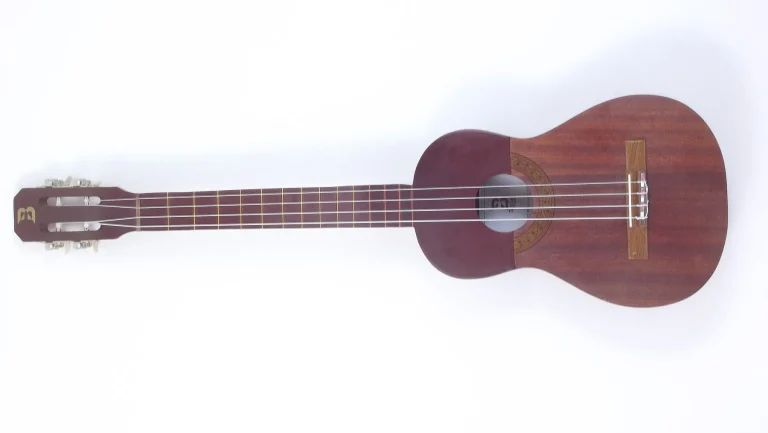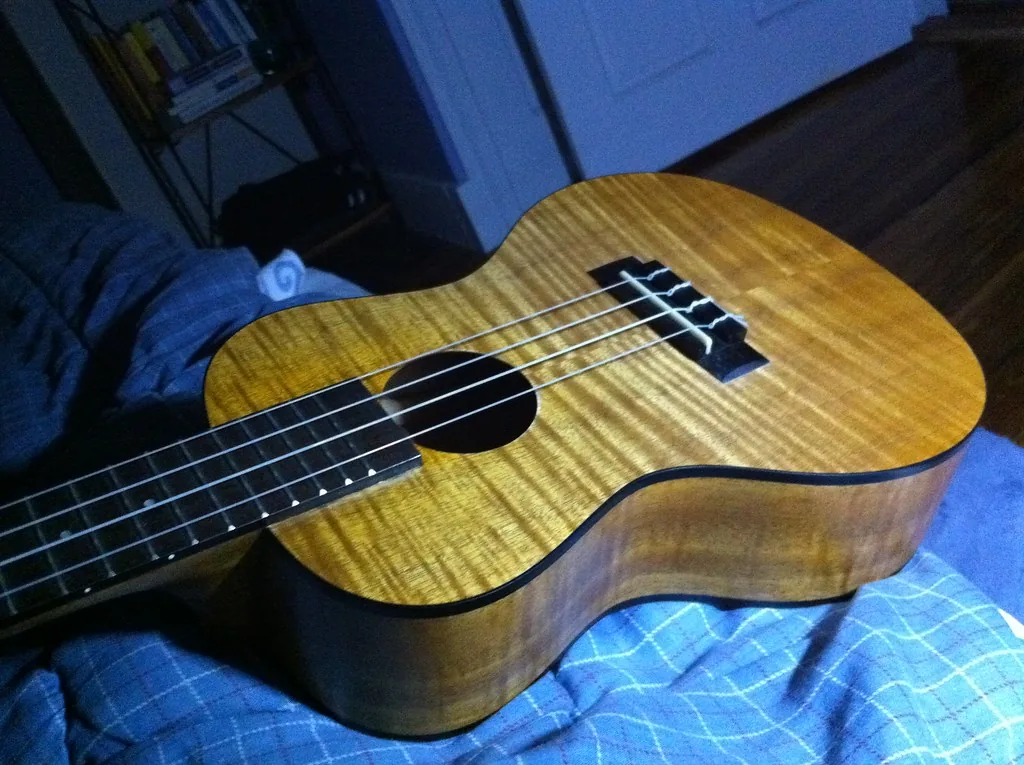
Taking care of your ukulele is essential. Start by cleaning it regularly and monitoring humidity. Wooden ukuleles are sensitive to changes in temperature and humidity. Use a soft cloth and a cleaner suitable for wood.
The ideal humidity level is between 45% and 55%. For more tips, visit this site.
It is also important to handle the instrument carefully. Ukuleles come in four sizes: soprano, concert, tenor and baritone. Your choice depends on your preferences and the size of your hands.
Smaller ukuleles produce a higher-pitched sound, while larger ones have deeper tones. Follow these tips and use the right products to care for your ukulele.
The Basics of Ukulele Care
To keep your ukulele in good condition, follow these tips. Start by cleaning it regularly to remove dust and protect the instrument. Monitor humidity too, especially if your ukulele is made of wood.
Visit the Taylor Guitars site to learn more about making quality instruments. For example, more than 500,000 GS Minis have been produced since 2010. This shows the importance of taking good care of your ukulele.
- Clean your ukulele regularly with a brush to remove dust and dirt
- Monitor humidity to prevent damage caused by changes in temperature and humidity
- Handle the instrument carefully to avoid damaging it
By following these tips, you will protect your ukulele. Regular care will help you enjoy it for a long time.
The Best Ways to Clean Your Ukulele
Cleaning your ukulele regularly is essential to preserving its appearance and sound. Regular care helps prevent damage from dust and humidity. Use a soft cloth and a wood cleaner.
The first step is choosing the right products. A ukulele care tutorial can guide you. Clean the strings and frets as well to maintain a clear sound.
Here is how to clean your ukulele:
- Use a soft cloth to clean the body
- Use a wood cleaner on the wooden parts
- Use a brush to clean the strings and frets

By following these steps, you will keep your ukulele in good condition. Consult a ukulele care tutorial for more advice.
| Ukulele type | Length |
|---|---|
| Soprano ukulele | 53 cm |
| Concert ukulele | 58 cm |
| Tenor ukulele | 66 cm |
| Baritone ukulele | 76 cm |
How to Care for and Protect Your Ukulele Every Day
To keep your ukulele in good condition, follow care tips suited to the ukulele. Clean your instrument regularly and protect it from changes in temperature and humidity. A ukulele care guide will show you how.
Here are some key steps for caring for your ukulele every day:
- Wipe the instrument with a soft cloth after each use.
- Protect the strings with a suitable product to prevent corrosion caused by sweat.
- Check humidity and temperature regularly to prevent damage to the instrument.
By following these tips and using the right products, your ukulele will last longer and retain its sound quality. Consult a ukulele care guide for more details.
Finally, remember that regular care is essential to your ukulele’s longevity and sound quality. Follow these tips and use the right products to enjoy your instrument for many years.
Storage and Transport Options
To protect your ukulele, it is essential to choose a suitable way to store and transport it. Tips for protecting a ukulele include using a case or bag. This helps prevent damage from bumps, transport, temperature and humidity. Padding in guitar cases ranges from 5 mm to 15 mm, offering different levels of protection.
Ukulele care advice suggests considering your budget and the value of your guitar. Nylon gig bags cost less than hard cases. They suit beginners and people on a limited budget.
Semi-rigid cases protect against the weather and moderate bumps, but they are not waterproof in heavy rain. Hard cases are recommended for valuable guitars. They offer maximum protection but are heavier and bulkier.
Flight cases are suitable for long-distance travel. They have sturdy latches and provide extra protection. For more information, visit specialist sites offering ukulele care advice.

In conclusion, there are several ways to store and transport a ukulele, from a nylon gig bag to a hard case or flight case. Choosing the right option is essential to protecting your instrument and helping it last.
Conclusion: Helping Your Ukulele Last
Taking care of your ukulele is essential if you want it to last. Follow the advice in this ukulele care guide to enjoy it for years. Clean your ukulele regularly and monitor humidity to prevent damage.
Choose the right care products. Protect your ukulele from changes in temperature and humidity. This will help your instrument last longer.
By applying these tips, you will master the care and protection of your ukulele. Enjoy your instrument for many years. Take care of your ukulele, and it will give you memorable musical moments.
FAQ
What are the basic principles of ukulele care?
Why is it important to clean your ukulele regularly?
How can you monitor humidity to protect your ukulele?
What are the best ways to clean a ukulele?
Which care products should you use for your ukulele?
How can you protect your ukulele from changes in temperature and humidity?
How should you care for your ukulele’s strings and neck?
What are the best storage and transport options for a ukulele?
Source Links
- https://ukutabs.com/ukulele-guides/take-care-of-your-ukulele/
- https://warwickshiremusic.org/ukulele
- https://www.ukecandoit.org/home/free-ukulele-resources/articles/8-useful-tips
- https://www.kent-music.com/app/uploads/2024/08/Instrument-Booklet-February-2019.pdf
- https://guitaripedia.com/guitars/taylor-gs-mini