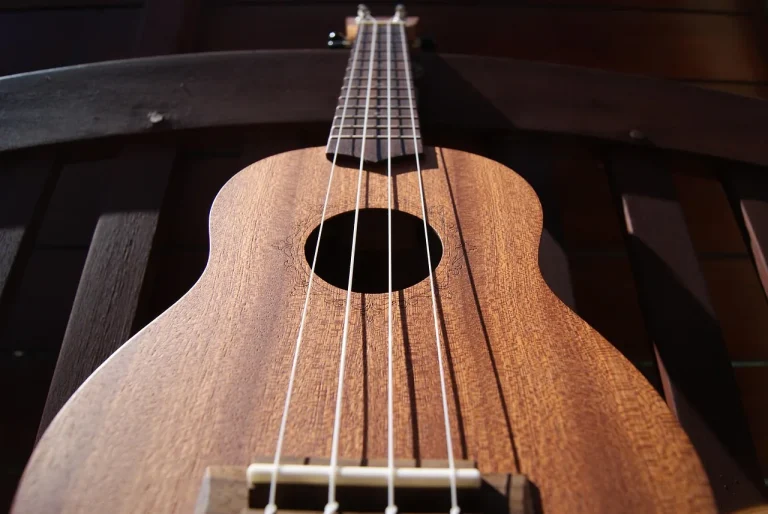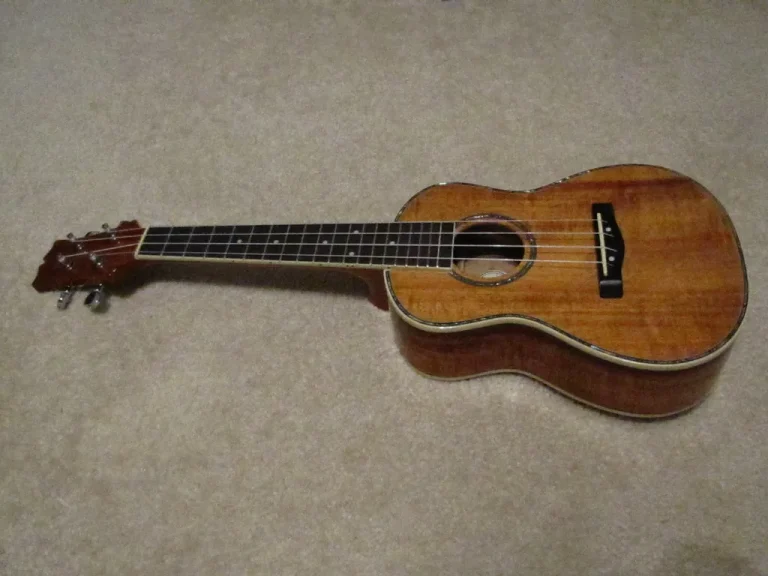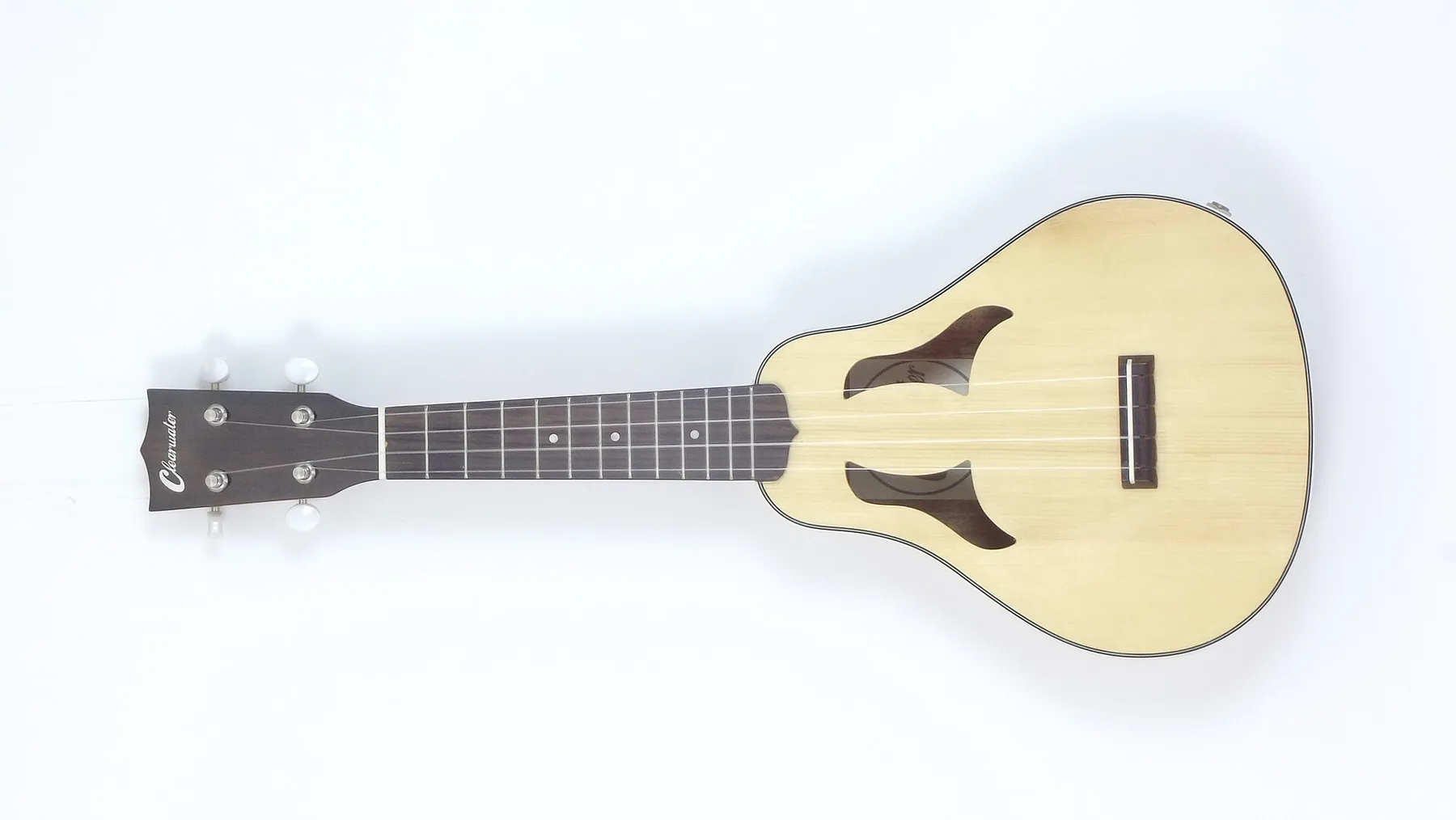
The ukulele is an inseparable part of Polynesian culture. Almost every Tahitian household has a ukulele and knows how to play it. It is considered the quintessential instrument of traditional Tahitian music and embodies the spirit of Polynesia. Polynesians are deeply attached to their culture, and the ukulele has become a leading instrument that musicians value highly today.
The Tahitian ukulele is a traditional Polynesian instrument. It is made from local materials such as half a coconut shell and rosewood. Its distinctive sound and shape make it a symbol of the Polynesian way of life. In this article, we will explore the ukulele’s history, how it differs from the Hawaiian ukulele, the best-known songs that feature it, and its popularity in Polynesia.
History of the ukulele
The ukulele originated in Hawaii, where it became an iconic musical instrument. It was then introduced to Tahiti in the 19th century by Portuguese immigrants.
The Tahitian ukulele differs slightly from the Hawaiian ukulele: it has a higher-pitched sound and a slimmer shape. It is made from local materials such as half a coconut shell and rosewood.
The ukulele has profoundly influenced Polynesian music and become a symbol of the Polynesian way of life.
The ukulele is a single-string instrument designed to be easy to play and carry. The name “ukulele” means “jumping flea” in Hawaiian, a reference to the speed of the fingers on the strings.
The Tahitian ukulele is a melodious instrument that evokes the beauty of the Polynesian islands and carries listeners to distant horizons.
Thanks to its captivating sound and ease of play, the ukulele has become an essential musical companion at gatherings, celebrations and cultural events in Polynesia.
The ukulele has thus left its mark on traditional Polynesian music and continues to be played with passion and pride by musicians and enthusiasts throughout the Pacific islands.
The best-known Tahitian songs featuring the ukulele
The ukulele holds a central place in Tahitian music, and many well-known songs feature it. They include:
- “Pahoho” by Te Ava Piti, a quartet much loved in Polynesia.
- “Tehere” by Sabrina Laughlin, a Tahitian artist who plays the ukulele.
- “Hoe Ana” by His Tahitians or The Tahitiens, another classic of Polynesian music.
These songs showcase the beauty and versatility of the ukulele in Tahitian music.
“Pahoho” by Te Ava Piti
“Pahoho” is a song that embodies the festive spirit and joy of Tahitian music. With its engaging lyrics and melody, it has become one of Te Ava Piti’s biggest hits. The ukulele plays an essential role, creating a cheerful, festive atmosphere that transports listeners to Polynesia.
“Tehere” by Sabrina Laughlin
“Tehere” is performed by Sabrina Laughlin, a talented artist from Tahiti. With her gentle voice and mastery of the ukulele, Sabrina brings a unique dimension to traditional Tahitian music. “Tehere” is an ode to Tahiti’s beauty that highlights the close relationship between nature and music.
“Hoe Ana” by His Tahitians
“Hoe Ana” is one of the most iconic songs by His Tahitians or The Tahitiens. Accompanied by the ukulele, it transports listeners to Tahiti’s warm, sunlit atmosphere. Its lyrics reveal Polynesians’ passion and love for their homeland, while its lively melody and captivating harmonies celebrate Tahiti’s beauty.
The Tahitian ukulele and the Hawaiian ukulele
The Tahitian and Hawaiian ukuleles differ in several ways, both in their construction and in the sounds they produce.
Construction and strings
The Tahitian ukulele is a short-necked fretted lute with four or eight nylon strings. These strings are tuned an octave higher than those of the Hawaiian ukulele. The Hawaiian ukulele is also a fretted lute, but its nylon strings produce lower notes. It is often made from koa wood, which gives it a distinctive sound.
Body and soundbox
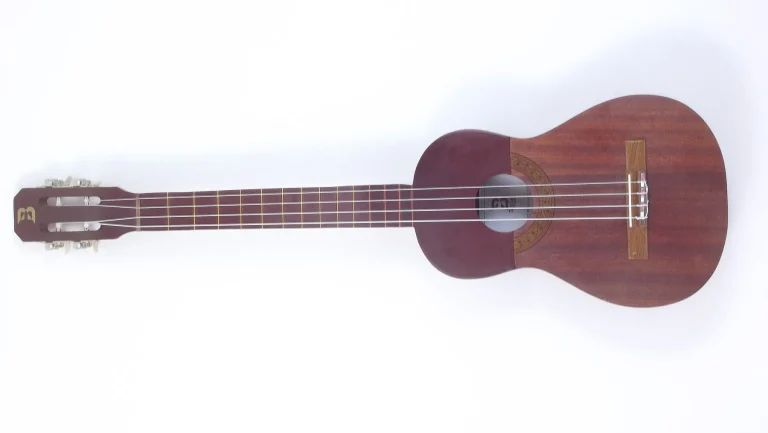
Another major difference lies in the construction of the body. The Tahitian ukulele has no separate soundbox. Its body is carved from a single piece of wood, with a conical hole in the middle. By contrast, the Hawaiian ukulele has a more pronounced soundbox, which contributes to its rich, warm tone.
The Tahitian and Hawaiian ukuleles each have their own style and sound. Their main differences concern the number of strings, tuning and construction. These variations make the ukulele a unique, versatile instrument used in a wide variety of musical genres.
The ukulele’s popularity in Polynesia
The ukulele is extremely popular in Polynesia, where it is an integral part of Tahiti’s musical culture. Many Polynesian craftspeople make traditional ukuleles from local materials such as rosewood. The ukulele’s distinctive sound and cultural history make it an iconic instrument of Polynesian music.
Polynesians play the ukulele at many celebrations, including weddings and parties with friends. This instrument stirs the spirit of Polynesia and embodies the joyful warmth of its culture. Polynesian craftsmanship is reflected in every ukulele, made with care and dedication to preserve ancestral traditions.
Polynesian craftsmanship and the ukulele
Polynesian craftsmanship has a long history and is renowned for its beauty and skill. Polynesian ukuleles are made from natural materials such as rosewood, carved and polished by hand to create quality instruments. Each ukulele is unique: its engraved traditional patterns and elaborate details make it a true work of art.
Polynesian craftspeople pass their skills from generation to generation, preserving the authenticity and integrity of Tahiti’s musical culture. Polynesian ukuleles are prized by professional and amateur musicians around the world, drawn to their distinctive sound and the history they carry.
Comparison of Tahitian and Hawaiian ukulele features
| Features | Tahitian ukulele | Hawaiian ukulele |
|---|---|---|
| String type | Four or eight nylon strings | Nylon strings |
| Tuning | One octave higher than the Hawaiian ukulele | Standard |
| Soundbox | No separate soundbox; body carved from a single piece of wood with a conical hole in the middle | Has a soundbox |
| Materials | Rosewood, half a coconut shell | Koa wood |
These differences in construction and shape contribute to each type of ukulele’s distinctive sound. The Tahitian ukulele produces higher notes, while the Hawaiian ukulele offers lower tones. Both instruments have their own charm and add to the richness of Polynesian music.

Through its Polynesian craftsmanship and central role in Tahiti’s musical culture, the ukulele is a living symbol of Polynesian identity. Whether it livens up an evening with friends or accompanies joyful moments, it resonates in Polynesians’ hearts and recalls their love of music and pride in their exceptional musical culture.
Conclusion
In Tahiti, the ukulele is far more than a musical instrument: it is a symbol of Polynesian culture and identity. Its unique sound and deep connection to local culture make it the very heart of Tahitian music. Polynesians, both professional and amateur musicians, greatly enjoy playing it.
Thanks to its rich history and influence on traditional Tahitian music, the ukulele will continue to hold a central place in Tahitian life. Its deep connection to Polynesian culture is reflected in every note that rings from its strings. Playing the ukulele in Tahiti is a true tribute to the beauty and richness of this culture.
At weddings, parties with friends and public performances, the ukulele accompanies every celebration in Polynesia. This iconic instrument reflects the Polynesian way of life and conveys the hospitality and joy characteristic of the region. Playing the ukulele in Tahiti means helping to preserve a musical tradition that has endured for centuries.
In conclusion, the ukulele in Tahiti is far more than a musical instrument. It is a living witness to Polynesian culture and a way to convey the spirit of Polynesia through music. Playing the ukulele in Tahiti is a unique experience that offers an inside view of this culture and helps share it with the world.
FAQ
Why is the ukulele important in Tahitian music?
The ukulele is considered the quintessential instrument of traditional Tahitian music and embodies the spirit of Polynesia. It holds a central place in Tahiti’s musical culture and is highly valued by musicians. Almost every Tahitian household has a ukulele and knows how to play it.
Where did the ukulele originate?
The ukulele originated in Hawaii, where it became an iconic musical instrument. It was then introduced to Tahiti in the 19th century by Portuguese immigrants.
What are the differences between the Tahitian and Hawaiian ukuleles?
The Tahitian ukulele differs slightly from the Hawaiian ukulele: it has a higher-pitched sound and a slimmer shape. It is a short-necked fretted lute with four or eight nylon strings, tuned an octave higher than those of the Hawaiian ukulele. The Tahitian ukulele also has no separate soundbox, and its body is carved from a single piece of wood with a conical hole in the middle. By contrast, the Hawaiian ukulele has nylon strings that produce lower notes and is made from koa wood.
Which well-known Tahitian songs feature the ukulele?
Well-known Tahitian songs featuring the ukulele include “Pahoho” by Te Ava Piti, “Tehere” by Sabrina Laughlin and “Hoe Ana” by His Tahitians or The Tahitiens.
How has the ukulele influenced Polynesian music?
The ukulele has profoundly influenced Polynesian music and become a symbol of the Polynesian way of life. Its distinctive sound and cultural history make it an iconic instrument of Polynesian music.
How popular is the ukulele in Polynesia?
The ukulele is extremely popular in Polynesia, where it is an integral part of Tahiti’s musical culture. Many Polynesian craftspeople make traditional ukuleles from local materials such as rosewood. Polynesians play the ukulele at many celebrations, including weddings and parties with friends.