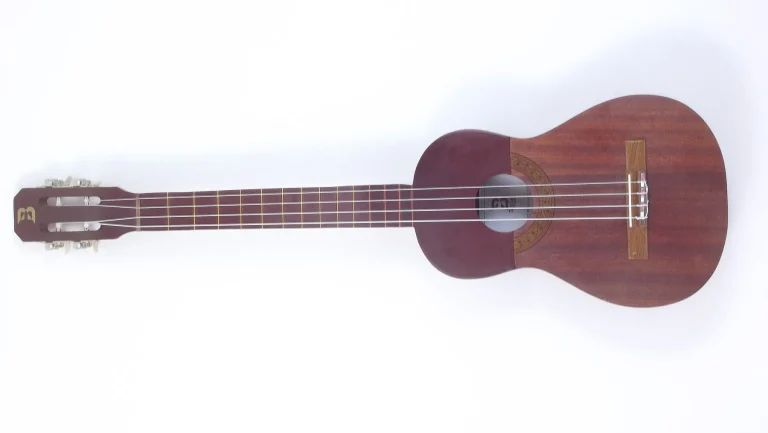
Stringed instruments like the ukulele need regular maintenance. Ukulele strings should be changed every 4 to 6 months. To learn how, see this guide on how to change ukulele strings.
Worn strings can reduce the sound quality of your ukulele, so it is important to replace them regularly. Brands such as Aquila and D’Addario make strings for different ukuleles. How long a string lasts depends on how much you play, but you should watch for signs of wear.
Learning how to change strings and choose good ones can improve your instrument’s sound. Replace strings when they no longer produce notes in tune. In the following sections, we will share tips for changing ukulele strings and describe the different types available.
Why and when to change your ukulele strings
Changing strings is essential for maintaining good sound quality. If you play often, consider changing them every 2 to 3 months. Good strings, such as those made by Aquila, may last longer. Check their condition regularly, however.
Signs of wear include grooves, a loss of sheen and a duller sound. Temperature and humidity also affect how long strings last. A tutorial can help beginners choose and change their strings.
Here are some tips for changing strings:
- Choose strings that suit your playing style and your ukulele.
- Inspect your strings regularly for signs of wear.
- Follow a tutorial to learn how to change them easily.
Following these tips will help keep your ukulele in good condition. Changing strings is simple and makes playing more enjoyable. It is essential for getting the best possible sound.
| How often you play | How often to replace strings |
|---|---|
| Daily | Every 2 to 3 months |
| Weekly | Every 3 to 4 months |
| Monthly | Every 6 to 12 months |
What you need to change the strings
To change your ukulele strings, you will need replacement strings, a tuner and a cutting tool. These will help you keep your ukulele in good condition.
Ukulele strings should be changed regularly to preserve sound quality. It is advisable to change all the strings at the same time to keep their sound consistent.

Consider several factors when choosing new strings:
- String tension: low, medium, high or extra high tension
- String material: nylon or steel
- String diameter: from 0.40 mm to 1 mm
By following these steps and using the right tools, you can change your ukulele strings easily and preserve its sound quality.
Choosing the right strings for your ukulele
Choosing the right strings for your ukulele is essential for good sound quality. Nylon strings are the most common because they produce the characteristic ukulele sound. Titanium strings offer good durability and a bright sound.
String changing techniques matter when you want a balanced sound. Regular players should change their strings every three to six months. Worn strings may break and lead to repair costs.
Ukulele strings come in different sizes and materials. Nylon strings are the most popular, but titanium and steel strings are also available. They offer distinctive tones and greater durability.
Here are some recommended ukulele string brands:
- Aquila
- D’Addario
These brands offer nylon and titanium strings for different ukuleles, including soprano, concert, tenor and baritone models.
In conclusion, choosing the right strings for your ukulele takes knowledge. With suitable strings and regular changes, you can get a good sound.
| Brand | String type | Size |
|---|---|---|
| Aquila | Nylon | Soprano, concert, tenor, baritone |
| D’Addario | Nylon, titanium | Soprano, concert, tenor, baritone |
Tips for changing ukulele strings safely
Changing ukulele strings calls for a few precautions. With the right approach, you can do it safely. Take care to avoid accidents and mistakes.
Here are some tips for changing ukulele strings:
- Use suitable tools, such as scissors and a screwdriver, to avoid damaging the instrument.
- Cut the strings to the right length to avoid tuning problems.
- Use good strings suited to your ukulele: they are less likely to break or go out of tune.
Take care of your hands and fingers as well. Wear gloves to protect your hands from sharp string ends. Take regular breaks to avoid fatigue.
By following these tips, you can change your ukulele strings safely. Always use good strings and care for your instrument to preserve its sound quality.
| String type | Material | Length |
|---|---|---|
| Nylon strings | Nylon | 40 to 50 cm |
| Steel strings | Steel | 45 to 55 cm |
How to change the strings, step by step
Replacing strings is essential for preserving your ukulele’s sound. This tutorial shows you how to make a simple, effective string replacement.
Worn strings can change the sound of your ukulele. Play some high notes to check their condition. If a note sounds out of tune, it may be time to change the strings.
Here is how to change them correctly:
- Remove the old strings
- Install the new strings
- Use secure knotting techniques
It is best to change all the strings at once. Ukulele strings are numbered from the farthest to the nearest. This numbering helps you organize the replacement.

By following these tips, you can keep your ukulele sounding excellent and enjoy playing it for longer.
| Ukulele type | Overall length | Scale length | Sound | Playing style |
|---|---|---|---|---|
| Soprano ukulele | 53 cm | 33 cm | Bright, cheerful | Chords, simple melodies |
| Concert ukulele | 58 cm | 38 cm | Warm, resonant | Chords, more complex melodies |
Tuning after changing the strings
After changing your ukulele strings, you need to tune it for a clear, harmonious sound. Knowing how to tune helps you avoid tuning and sound problems. You also need to master string changing techniques for accurate tuning.
Stringed instruments such as the ukulele need particular care when tuning. An online tuner, such as the one from Ukebox, can help you tune accurately. One recommended method is to use an A440 tuning fork to tune the A string, then tune the other strings relative to it.
Here are some tips for tuning your ukulele:
- Use an online tuner for accurate tuning.
- Tune the A string with an A440 tuning fork.
- Tune the other strings relative to the A string.

By following these tips and mastering string changing techniques, you can get a clear, harmonious sound from your ukulele. Check its tuning regularly to maintain the best sound.
Common mistakes to avoid when changing strings
Changing the strings on your ukulele takes care if you want a good sound. Take your time and follow each step carefully. This will help keep your instrument in good condition.
Here are some mistakes to avoid:
- Failing to clean the neck and frets before changing the strings
- Using strings that are incompatible with your ukulele
- Failing to tension the strings properly
By following these tips for changing ukulele strings, you can get a clear sound. Your ukulele will stay in good condition.

In short, changing the strings on a ukulele takes patience and care. Follow the steps and avoid mistakes so you can keep enjoying your ukulele.
| Mistake | Consequence |
|---|---|
| Failing to clean the neck and frets | Reduced sound quality and premature string wear |
| Using incompatible strings | Tension and sound problems |
| Failing to tension the strings properly | Tuning and stability problems |
Conclusion: care for your ukulele
Dear music lovers, caring for your ukulele is essential for preserving its sound quality and extending its life. Follow the steps to change the strings on your instrument.
It is important to clean your ukulele every 4 to 6 months. The ideal humidity level is between 45% and 55%.
If your ukulele costs more than €200, invest in a hard case. The Kala backpack, sold for about $95, is a good option. For less money, a $20 tweed case is also effective.
Protecting your ukulele helps prevent damage and preserve its appearance and distinctive sound.
By following these practical tips and tutorials for replacing strings, you can keep your ukulele in good condition. These simple steps will help you enjoy the melodies of your favorite instrument.