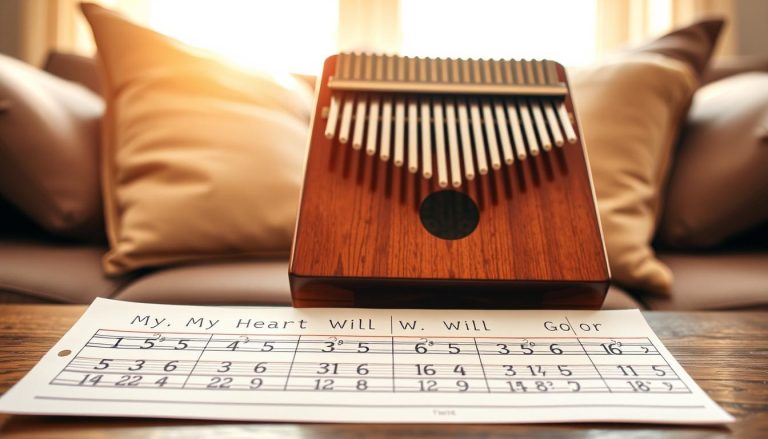
Plan: offer a simple routine, define the audience (beginners in France with a 17-tine kalimba), present the practical approach, results, common mistakes, essential tools, a focus on quality over quantity, and a motivating framework. Respect the prohibited words and ensure readability.
This guide offers a simple, realistic routine. In thirty well-organized minutes, you will learn to play melodies accurately without losing focus.
Who it is for: beginners in France who own a 17-tine instrument and want to progress quickly. The method is practical and progressive.
Practical approach: quick tuning, reading tabs, targeted exercises, choosing songs, and a daily schedule. Goal: play your first tune during the first week.
Avoid common mistakes: neglecting tuning, speeding up the tempo, or switching songs too quickly. Get a tuner, a metronome, and a few reliable PDFs.
Quality before quantity. Thirty minutes of focused practice are worth more than an hour of inconsistent practice. Set small goals, briefly review your session, and record a short clip to measure your progress.
To find easy pieces, explore dedicated resources such as suitable pieces and exercise ideas in these simple songs.
Why the 17-tine kalimba is ideal for beginners in France
To discover this instrument, the 17-tine model makes learning easier.
Origins and names
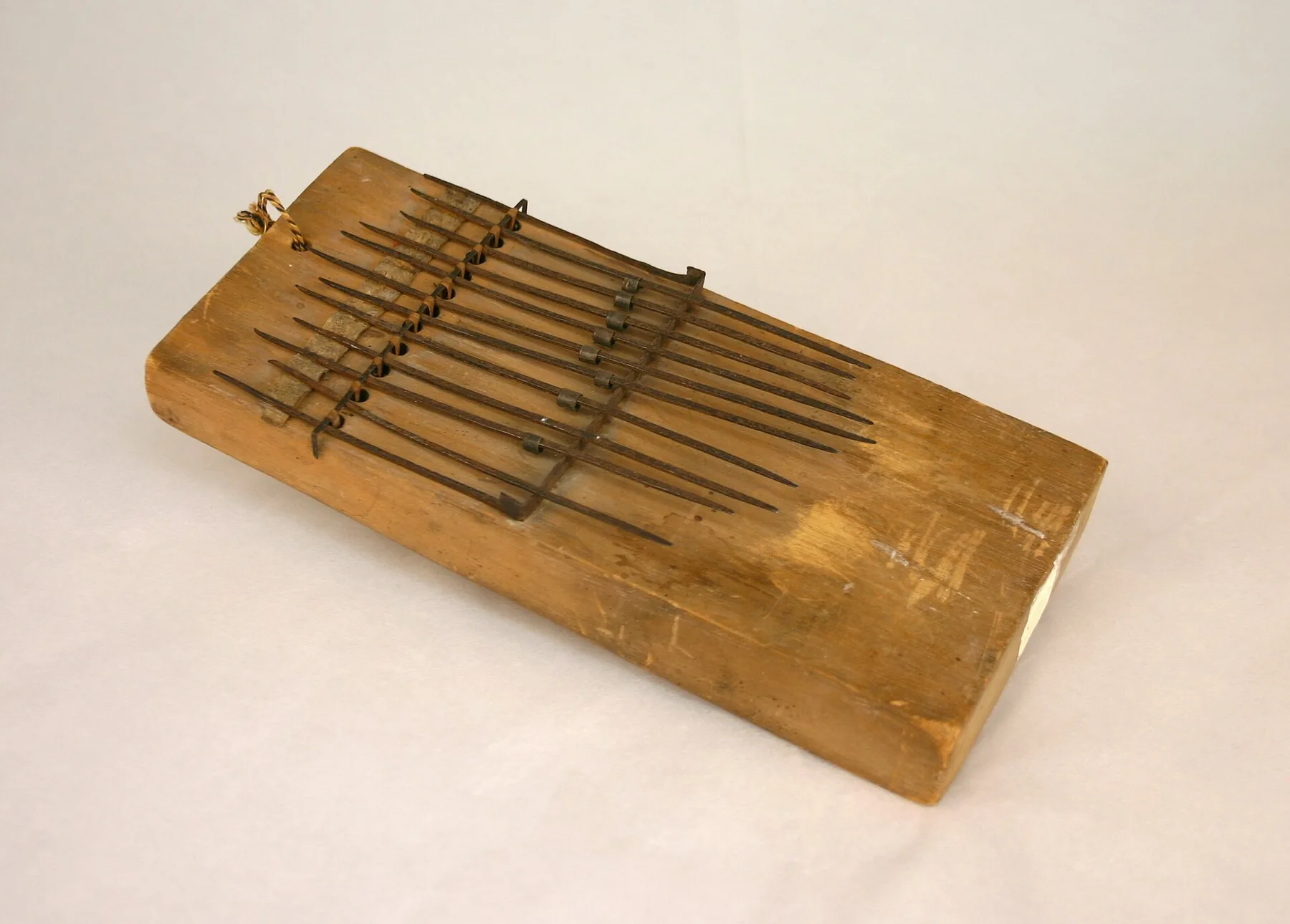
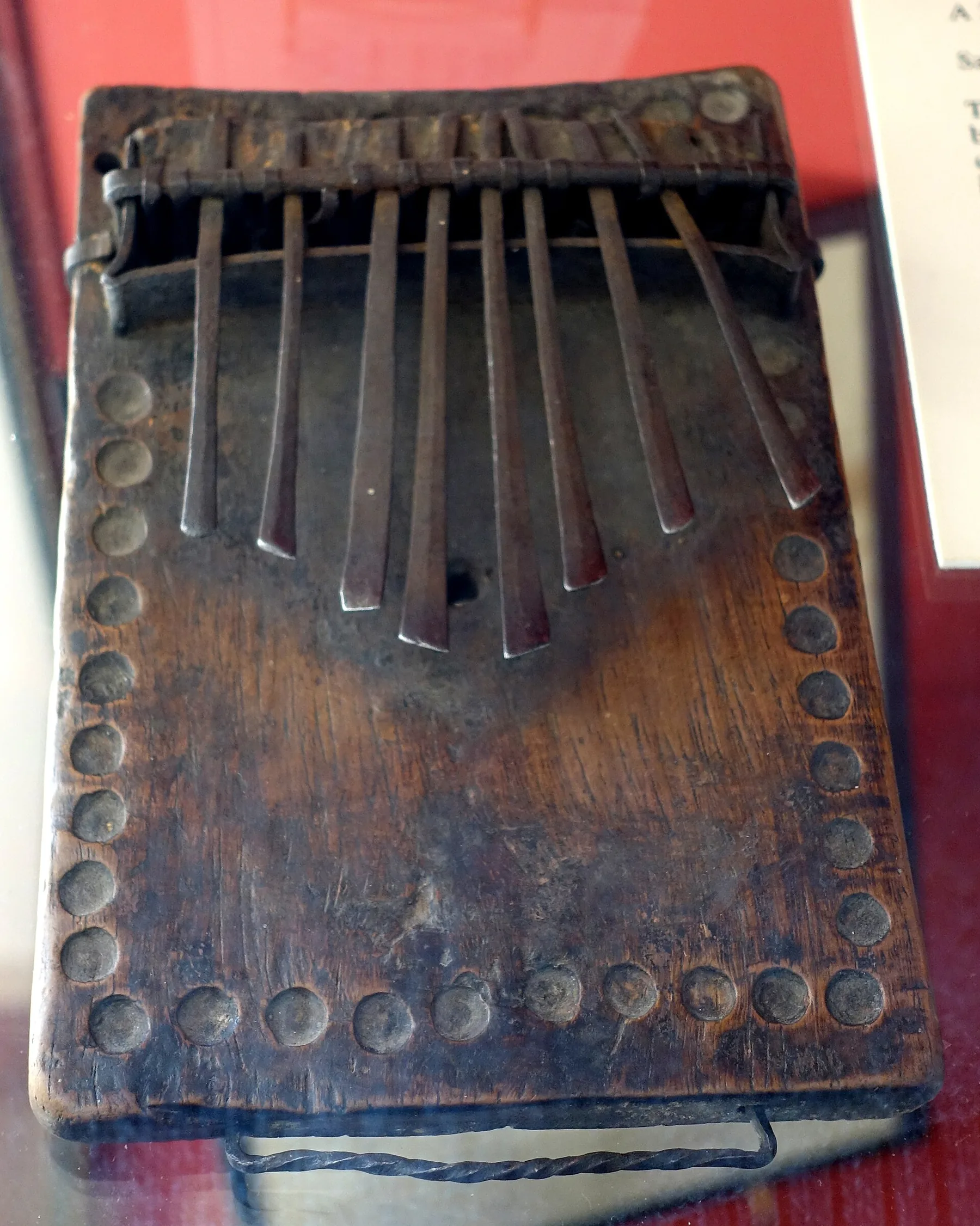
The thumb piano — also called a mbira or sanza — comes from Africa.
Hugh Tracey standardized its modern form in the 1950s, making tuning more accessible.
A reassuring sound
The wooden body and metal tines produce a clear, warm sound.
This sound often forgives small mistakes, making your first melodies rewarding.
17 keys or 21 keys: when should you move on?
The 17-key format offers a compact diatonic scale, often in C, that is easy to read.
It lets you work on rhythm, reading, and coordination before expanding your range.
- Stay with 17 keys: ideal for mastering several short pieces.
- Move to 21 keys: useful if you want fuller arrangements.
| Criterion | 17 keys | 21 keys |
|---|---|---|
| Complexity | Simple | Advanced |
| Portability | Very good | Less compact |
| Repertoire | Beginner songs | Richer arrangements |
In short: start simply, strengthen your foundations, then move on if the music you want to play and your interests call for it.
Getting started: holding the instrument, placing your hands, and producing a good sound
A comfortable grip and relaxed thumbs are enough to produce a clear sound. Adopt a natural posture: relaxed shoulders, free elbows, and flexible wrists. This prevents fatigue and improves accuracy.
Grip: hold the body in both hands, with your thumbs above the tines, without squeezing. You play mainly with your thumbs; keep the movement natural.
- Plucking: pluck and release the tine with the pad or edge of your thumbnail, without pulling it sharply.
- Sound: keep a steady rhythm and moderate volume, then listen to the resonance to achieve good sound quality.
- Stability: hold the instrument or place it on a non-slip support, depending on the projection you want.
An instrument that moves disrupts the rhythm and makes the metronome harder to follow. If a note clicks or sounds muted, adjust the angle of your thumb and the pressure on the body.
| Action | Purpose | Practical tip |
|---|---|---|
| Posture | Prevent tension | Keep shoulders low and wrists in a natural position |
| Thumb movement | Clear plucking | Use the pad or edge of the nail, then release |
| Stability | Projection and consistency | Use a non-slip support or a relaxed grip |
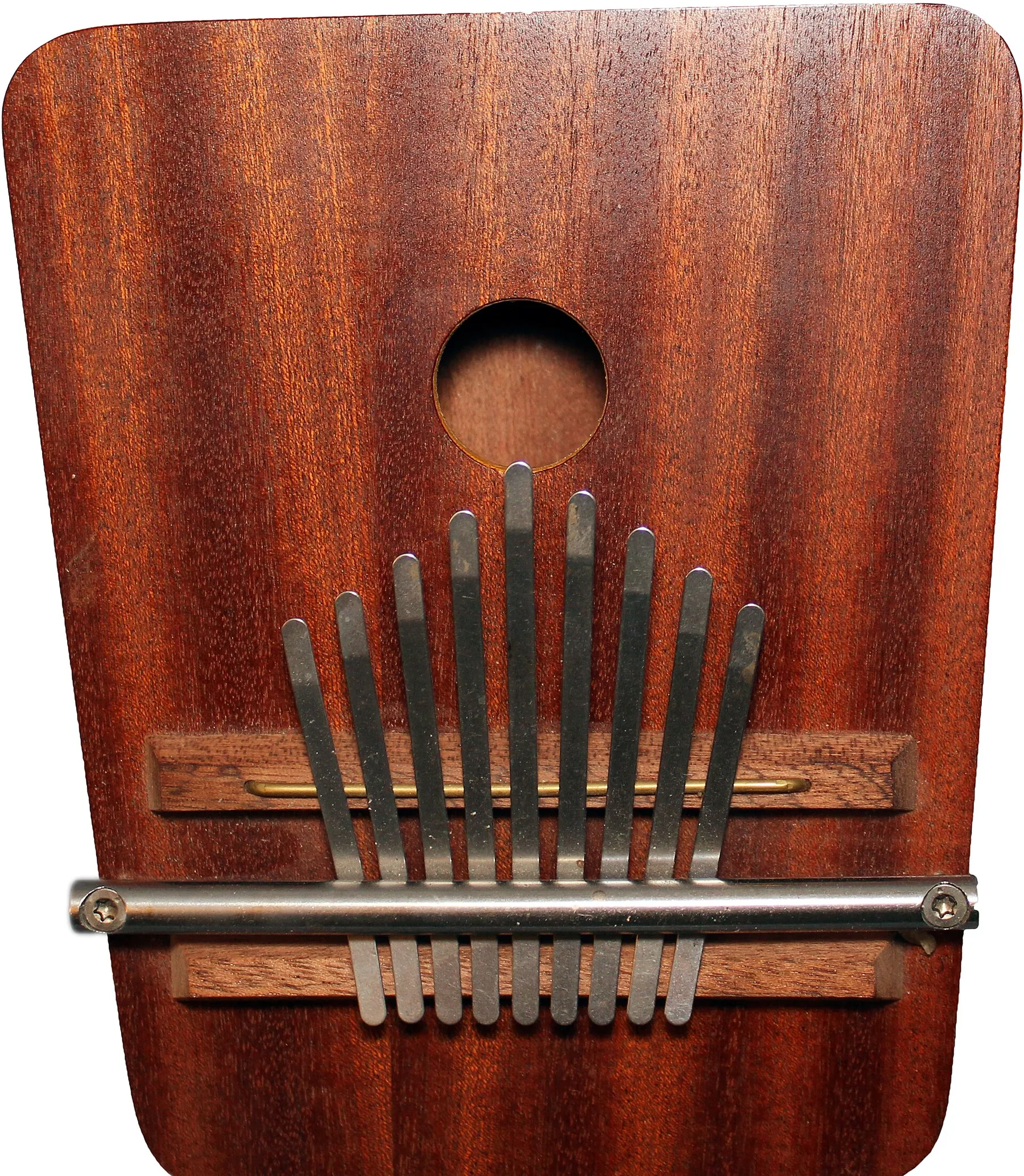
Quick check: if your grip is comfortable, it will make tuning, reading, and coordinating your thumbs easier later on.
Tune your kalimba in a few minutes before each session
A well-tuned instrument is easier to play and more enjoyable to hear. Spend two to three minutes tuning before each session: this habit prevents you from learning incorrect notes and speeds up your progress.
Quick method using an app: install gStrings, Smart Kalimba, or Free Universal Tuner. In a quiet place, pluck each tine, read the tuner, and adjust the tuning as you go.
To adjust a tine, use a small hammer. Tap it gently: shorten it to raise the note and lengthen it to lower the note. Never use force.
Quick routine: start with the center tine, then work outward. Check every tine and finish with a 10- to 15-second test recording so you can hear the notes.
Common mistakes include tuning in a noisy place, striking too hard, not letting a note ring long enough, and confusing octaves or notation. Avoid these traps to keep your sessions productive.
To learn how playing an instrument can affect concentration and the brain, read this article on cognitive benefits.
Read kalimba tabs or sheet music without knowing music theory
To work through a line of tabs, rely on visual cues and numbers rather than theory. Two common formats are simplified sheet music, which resembles traditional notation, and tabs, which are often more direct for beginners.
Numbered method: each number corresponds to a tine. Match each number to a key, then repeat short lines until the movement becomes automatic.
Memorize step by step
Read vertical tabs from top to bottom. Clearly identify the notes for your left hand and those for your right hand. Start with just one short line.
- Play very slowly.
- Count aloud and mark the rests.
- If you struggle to read a passage, focus on two measures, then play the whole passage again.
Stickers on the keys make them easier to identify at first. Remove them gradually to develop your memory and listening skills.
To steady your rhythm, practice with a metronome. Breathe during rests and avoid rushing from one note to the next.
“Reading without music theory lets you play familiar songs quickly and stay motivated.”
| Format | Benefit | Practical tip |
|---|---|---|
| Tabs | Quick reading | Start with short lines |
| Simplified sheet music | Better overview of the music | Ideal for progressing later |
| Stickers | Visual guidance | Remove them after two to three weeks |
To learn more about reading sheet music and tabs, see this guide to reading tabs.
Basic exercises to coordinate your thumbs and play accurately
Start each session with two or three targeted exercises: three to five minutes are enough to improve thumb control and avoid frustration before tackling a melody.
Alternating right and left: practice a simple line, such as 1-2-3-2-1. Play slowly, aiming for even volume and fluid movement. Repeat until every note sounds steady.
Arpeggios and chords: play the notes of a chord one after another to become familiar with harmony. Then try playing two notes together to feel the balance between your hands.
Sustained notes: let notes ring without replaying them. Listen as the sound fades and learn to let each note vibrate to improve the tone.
Metronome: begin at a very slow, comfortable tempo. Increase the speed only in stages, after you have played clearly and evenly three times in a row.
Accuracy check: if a note sounds “strange,” check the tuning before changing your fingering. These short routines make reading easier and reduce hesitation in fast passages.
To work further on rhythm and finger placement, read a beginner-friendly companion guide to progressive rhythm exercises.
Choose easy pieces that build motivation in the first week
Choose recognizable melodies: they take less effort to memorize and improve your sense of rhythm from the first few days.
Nursery rhymes and classics
Start with very simple pieces such as Frère Jacques, Au clair de la lune, or Happy Birthday.
These songs mainly exercise the right hand and basic reading. Repeat a short phrase until it flows smoothly.
Films and short themes
Choose short versions of Up, Under the Sea, or Hedwig’s Theme. Repeated phrases are easy to divide into sections of four to eight measures.
This makes memorization easier and lets you tackle music you enjoy without too much difficulty.
Pop, romantic pieces, and video games
For pop, choose short arrangements of Perfect or A Thousand Years. For rhythm, Zelda’s Lullaby or Super Mario are excellent choices.
These titles help you practice rests and staying steady with a metronome.
- First-week strategy: choose one nursery rhyme and one short theme. Spend some time reading and some time working on rhythm.
- Selection criterion: avoid pieces with too many accidentals or densely packed notes.
“Familiar pieces make every session more rewarding and help maintain motivation.”
Learn the kalimba: a 30-minute daily practice plan
A routine divided into blocks makes it easier to practice consistently. Begin with a brief warm-up, then move on to reading, music, and rhythm. Finish with a quick review to measure your progress.
Warm-up (5 minutes): rotate your wrists, pluck gently, and play slow arpeggios. Check that your thumbs are relaxed and your movements are even.
Reading block (7 minutes): choose a short line of tabs, play it very slowly, then repeat until the sound is clear. Record 10 to 15 seconds if possible.
Music block (10 minutes): divide the piece into sections of four to eight measures. Practice transitions separately, then join two phrases until they flow smoothly.
Rhythm block (6 minutes): work with a metronome, starting at a slow tempo. Focus on rests and sustained notes. Increase the tempo in stages when you can play accurately.
Finish (2 minutes): spend one minute playing freely for enjoyment, then one minute briefly reviewing the session (one strength and one thing to improve tomorrow). Golden rule: if you get stuck, slow down immediately.
- Variation: alternate a “technique day” (more reading and metronome work) with a “music day” (more time on the piece), while keeping the total practice time the same.
- To expand your collection of suitable sheet music, explore this practical selection of 17-tine tabs.

“Short, focused practice builds lasting skills without wearing you out.”
Structure your progress over several days without getting discouraged
Organizing your progress into small steps helps prevent discouragement and gives each session a goal. Begin with short versions of pieces before attempting the full versions: they strengthen memory and your sense of rhythm without overwhelming you.
Short or full versions
Why start with a short version? It lets you isolate one phrase, reduce the number of simultaneous notes, and succeed sooner. This builds confidence and muscle memory.
A plan for several days
- Days 1 and 2: clarity and accurate notes.
- Day 3: a steady tempo with the metronome.
- Day 4: clean transitions.
- Day 5: a reference recording.
Clear signs of progress
Beginners move to the next level when they can read fluently, keep a steady tempo, and make clean transitions. At the intermediate level, pieces contain more notes and chords. The “simplified advanced” level combines arpeggios and countermelodies.
Simple self-assessment
Record a short clip at each session. Listen back for hesitations, changes in tempo, and imprecise plucking.
Checklist
| Criterion | Goal | Measure |
|---|---|---|
| Note accuracy | Correct notes | 0 to 2 errors in 16 notes |
| Rhythmic consistency | Steady tempo | Keep the beat within ± 5% |
| Clean plucking | Clear attacks | Few unwanted noises |
| Sustained notes | Controlled resonance | Audible sustained notes |
“Continuing to play a piece regularly for enjoyment keeps you motivated and helps you sustain your practice.”
Briefly review each session at the end. The goal remains the same: learn to play consistently, accurately, and with enjoyment, without trying to master everything at once.
Where to find free, legal tabs and sheet music in France
Finding reliable, free tabs saves beginners a lot of frustration. Instruments du Monde offers an organized collection of 41 articles with clear PDF files, sorted by difficulty and rated an average of 4.6/5.
Practical tip: search first by level, then by style (nursery rhymes, films, pop, video games). The repertoire ranges from “Frère Jacques” to “Zelda,” “Star Wars,” and “Perfect.”
Before downloading anything, check that the numbers and markings are legible, look at the update date, and confirm that it explicitly says “17 tines” or “17 keys”.
Print on A4 paper at 100%: avoid the fit to page option, which can cut off markings. Annotate your sheets with fingering, sections of four to eight measures, and a target metronome tempo.
“Choose legal sites and legible PDFs to make practice easier and maintain your motivation.”
| Criterion | What to do | Why |
|---|---|---|
| Source | Choose Instruments du Monde or recognized sites | Quality, printable files |
| Check | Legibility, date, 17-key format | Compatibility with your instrument |
| Printing | A4 at 100%, with margins preserved | Do not cut off markings or tabs |
| Annotations | Add fingering and passages to revisit | Makes practice and progress easier |
Avoid: questionable sites and PDFs that are unreadable or unsuitable for your instrument. To go further, choose verified, well-rated resources.
Useful tools and apps for more effective practice
With three reliable tools, you can improve note accuracy and tempo stability in minutes. This small set of tools helps you stay focused and makes each session more productive.
Tuner and metronome: save time and steady your rhythm
gStrings combines a tuner and a metronome. Start with one to two minutes of tuning, then use the metronome to work on your chosen passage.
Tip: the tuner helps you play the right notes, and the metronome helps you keep time. Together, they save time and build confidence.
Learning apps with feedback and challenges
Apps such as Simply Kalimba offer learning paths, challenges, and feedback on your playing.
These tools help you practice regularly and stay motivated with short, measurable goals.
Tab editor: create, save, and organize your pieces
Kalimba Tabs Editor Pro lets you adapt tabs, annotate them, and archive your short versions.
- Save your PDFs and notes so you do not have to start from scratch.
- Organize your repertoire by level and piece.
“Good tools simplify practice, encourage consistency, and improve results.”
Care for the tines and preserve your kalimba’s sound
A few simple steps after each session are enough to keep the tines bright. A soft cloth removes sweat and dust and limits the oxidation that dulls the sound.
Simple cleaning after each session
Wipe each tine with a clean, dry cloth. Give them a quick visual check: a dull or sticky tine needs more thorough cleaning.
Routine: wipe the tines, check the tuning of the center tine, then put the instrument away. This habit preserves the quality of its resonance.
Storage and humidity control
Store the instrument in a soft bag or hard case. Keep it away from windows, radiators, and damp places.
Put a silica gel packet in the case to limit moisture. Temperature changes can cause the instrument to go out of tune.
- Avoid impacts, and do not play with wet hands.
- Check the tuning after major changes in temperature or humidity.
- Watch for these signs: a buzzing note, a tarnished tine, or a loss of resonance.
| Action | Purpose | Quick tip |
|---|---|---|
| Wiping | Limit oxidation | Use a soft cloth after each session |
| Storage | Keep tuning stable | Use a case and silica gel packet |
| Prevention | Protect the wood and instrument | Store in a dry, temperate place and avoid impacts |
“A well-maintained instrument makes learning more enjoyable and reduces the time spent retuning.”
Conclusion
Recap: three priorities for making quick progress. Keep your 17-tine kalimba tuned, read simple tabs, and follow a structured 30-minute routine.
Why this works: this thumb piano lets beginners play recognizable melodies. They strengthen motivation and speed up learning.
Your immediate action plan: choose an easy piece, check the tuning, practice one line, then record 10 seconds of playing.
Use reliable resources — Instruments du Monde has 41 articles with PDFs, rated an average of 4.6/5 — and keep your annotated sheet music and tabs.
Goal for the next two to four weeks: play a complete version of a short theme or add a few simple chords. Focus on playing well today: progress comes from repetition and listening.