At a glance: this modern instrument combines tuned tines with an oval membrane. Invented in 2001 by Peter Hokema, the Sansula produces a crystalline tone and strong resonance.
This article guides you step by step. You will discover how it differs from a standard kalimba, along with tuning basics, posture and simple exercises. The aim is to choose the instrument, play it and understand how to control its sound.
Among thumb pianos, this design stands out for its membrane, which extends the sound and creates a wah-wah effect when the instrument is placed on your knees. In France, price, transport and maintenance are also practical considerations.
Who it is for: beginners and intermediate musicians seeking an intuitive approach. The instrument encourages instinctive playing and musical relaxation, although the number of notes remains limited depending on the model.
Understanding the Hokema Sansula and what makes it unique
Let us look at why this instrument appeals to beginners and curious musicians.
Who is this instrument known as a “thumb piano” for?
It appeals to people looking for a simple, soothing instrument. It lets you produce beautiful sounds quickly without extensive music theory knowledge.
What you will be able to play after reading this article
You will learn to play instinctive melodies in a minor scale, simple arpeggios and a dynamic pattern. Hold the instrument in your hands and play it with your thumbs. You can shape the sound by placing it on your knees or near a table to emphasize the wah-wah effect produced by the membrane and open back.
- Beginners: easy repeating patterns and a full sound thanks to notes that ring out longer.
- Musicians: create soundscapes and control the tone.
- Limitation: you often play by ear because the range is small.
| Use | Advantage | Recommended for |
|---|---|---|
| Creating atmosphere | Long-lasting notes, wah-wah effect | Relaxation, recording |
| Portability | Moderate | Occasional travel |
| Learning | Quick, intuitive patterns | Beginners, amateur musicians |
What exactly is a Sansula?
Let us start by clarifying the terms used to describe this instrument.
Lamellophone means an instrument with tines: metal strips that vibrate when plucked and produce notes.
Idiophone means the material itself produces the sound. Neither strings nor a column of air are its main source.
The design makes all the difference. A standard kalimba often rests on a solid wooden block or a wooden box with sound holes. The Sansula uses similar steel tines but mounts them on a stretched membrane.
This difference—a skin stretched over a frame instead of a solid body—increases resonance and makes notes ring out longer. The tone becomes airier and the sounds last longer.
Clarifying the terms
Kalimba, mbira and sanza are sometimes confused. These instruments belong to the same family. Knowing these terms helps you choose a model and compare the attack, note duration and sound projection.
Origins and modern invention by Peter Hokema
A chance discovery during an experiment with a frame led to a new instrument design in 2001.
2001: the instrument is born and gets its name
In 2001, Peter Hokema, a German instrument maker, developed the Sansula. The idea for its name came from “sanza,” the name of an instrument in the thumb piano family, and “ula,” meaning “small.”
An experiment that changed everything
The idea arose while testing a model placed on a frame drum. This simple experiment revealed amplified sounds and airier tones.
This recent instrument is therefore a hybrid: modern, yet inspired by African lamellophones. After several years of experimentation, it became clear why it was designed to be played while seated.
| Year | Inventor | Origin of the name | Acoustic discovery |
|---|---|---|---|
| 2001 | Peter Hokema | Sanza + ula | Amplification by the membrane |
| Several years | German workshop | Connection to lamellophones | Long-lasting notes, wah-wah effect |
This story sets up the rest of this article: it explains the instrument’s anatomy—wood, metal and membrane—and how to play it.
Anatomy of the Hokema Sansula: wood, metal and membrane
Every component—wood, metal and membrane—affects how the instrument resonates. The oval wooden frame forms its structure: it gives both thumbs direct access to the tines and directs the sound toward the listener.
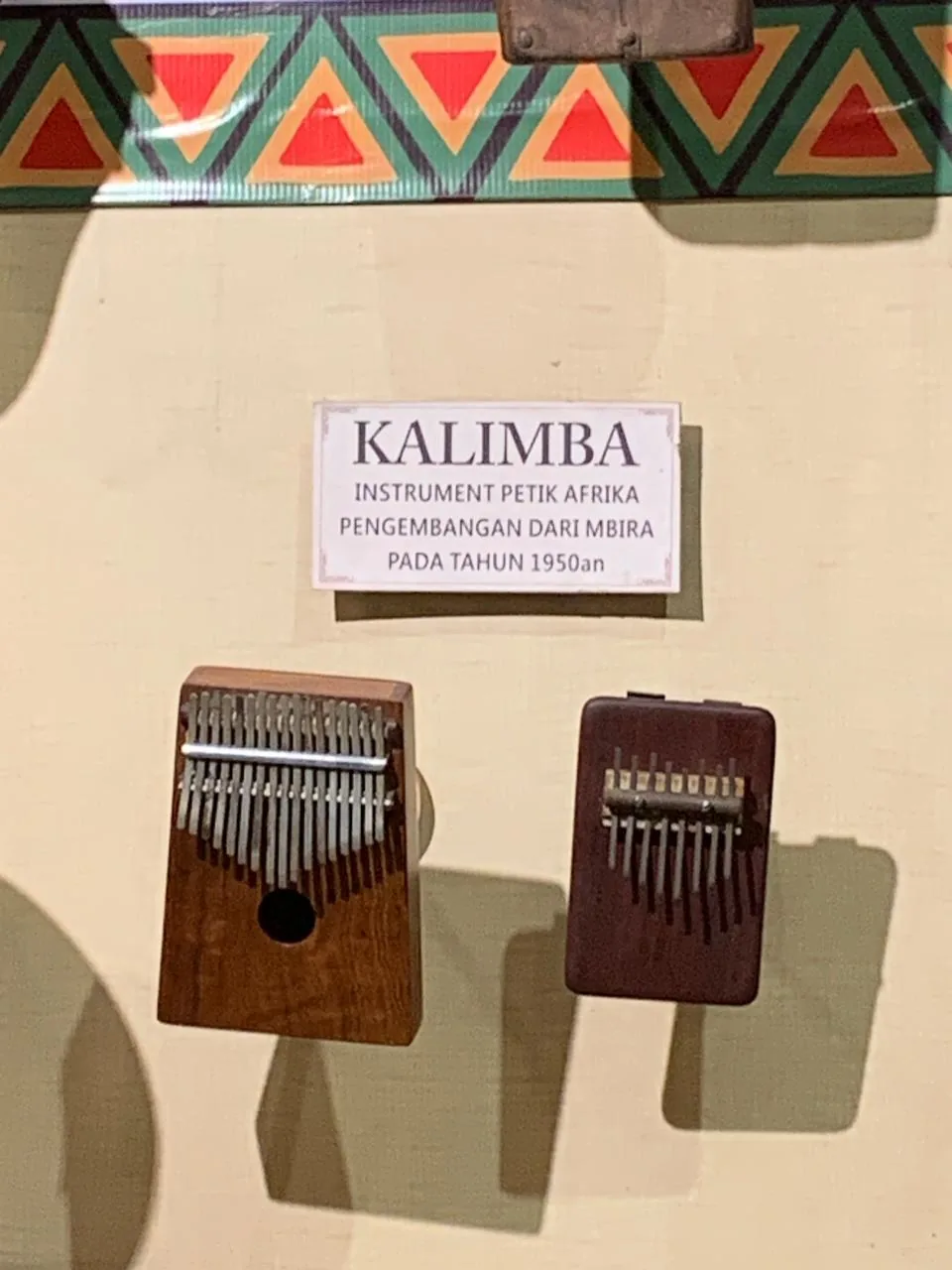
Oval wooden frame and access to the tines
The wood influences the warmth of the tone. A well-designed frame provides a comfortable grip and prevents unwanted vibrations.
Steel tines: vibration and pitch
The steel tines vibrate when plucked: their length determines the pitch of the note; the longer they are, the lower the sound. Consistent metal quality prevents buzzing and ensures stable sound quality across the notes.
Animal skin or synthetic membrane
The membrane affects projection and note duration. Animal skin often produces a warmer sound, but requires more care and is sensitive to moisture.
A synthetic membrane is more durable and reduces the risk of cracking during transport.
“The materials determine the tone and lifespan.”
To learn more about thumb pianos, see this dedicated section: thumb pianos. This anatomy leads into the sections on sound and maintenance.
Sound characteristics: resonance, note duration and crystalline tone
The membrane turns each vibration into a halo of sound that catches the ear. This construction amplifies resonance: the tines vibrate longer and the tones become clearer.
The membrane acts as a mechanical amplifier. It extends the vibration of the tines, increasing sustain and enriching the sounds with overtones.
The open back also plays a crucial role. It creates an adjustable air cavity that makes the wah-wah effect especially pronounced depending on the instrument’s position.
Placed on your knees, the instrument produces a softer, more enveloping sound. Near a table, it sounds brighter and the wah-wah effect changes in character.
As you listen, pay attention to the attack, note duration, volume and overtones. These elements help you adjust your touch and dynamics.
This distinctive sound suits slow arpeggios and meditative melodies, making it ideal for atmospheric music. To try a model and hear the difference in resonance, see the Sansula.
Typical tuning and number of notes: what you can play
Tuning directly shapes the atmosphere you create with the instrument.
The key of A minor is the most common tuning for this format. It creates a gentle, mysterious atmosphere and is ideal for meditative melodies.
Sansula Basic: a practical example
The Basic model has 9 tines. In practice, that gives you 9 notes under your thumbs. Playing remains intuitive and lets you avoid almost all wrong notes.
How the notes are arranged
On this model, the notes are A, C, E, F, A, A, B, C and E. Moving up or down easily creates natural-sounding phrases. This arrangement encourages improvisation.
Limitations and choices
Creative limitation: 9 keys restrict your ability to play complex scores. A common 17-tine kalimba or a 34-tine chromatic model offers a wider range.
- To play familiar melodies or transcriptions, choose an instrument with more notes.
- For instinctive playing and creating atmosphere, this format remains an excellent choice.
Hokema Sansula kalimba: features and playing style
How you position the instrument immediately affects your playing accuracy.
Posture and support
Sit with your back straight and the instrument centered on your knees. Keep the frame steady so you can reach the tines easily.
Tip: the fingers supporting the instrument should not press down on the membrane. This preserves its resonance.
Hand position and attack
Keep your thumbs above the tines; let your other fingers gently support the edge. Pluck a tine, then release it without stopping its vibration.
A firm attack gives the sound more projection. A lighter touch produces a softer, more intimate sound.
Sequences and patterns
Alternate your left and right thumbs across 3 to 5 notes to create instinctive melodies. Repeat a simple pattern to establish harmony.
Arpeggios turn an implied chord into a repeating pattern. They are quick to learn and useful for accompanying atmospheric music.
“Aim for fluidity and consistency rather than technical virtuosity.”
| Aspect | How to practice it | Effect on the sound |
|---|---|---|
| Posture | Seated, instrument centered | Stability, preserved note duration |
| Hand position | Thumbs above, other fingers supporting | Easy access to the notes |
| Attack | Pluck, then release | Control over volume and tone |
For more advice on holding a plucked-string instrument, see how to hold a ukulele.
Mastering the Sansula’s signature wah-wah effect
You create the wah-wah effect by changing the air cavity beneath the membrane while playing seated. The principle depends on varying this air chamber: pressing the frame against your knees and then lifting it changes the perceived frequency and makes the tone oscillate.
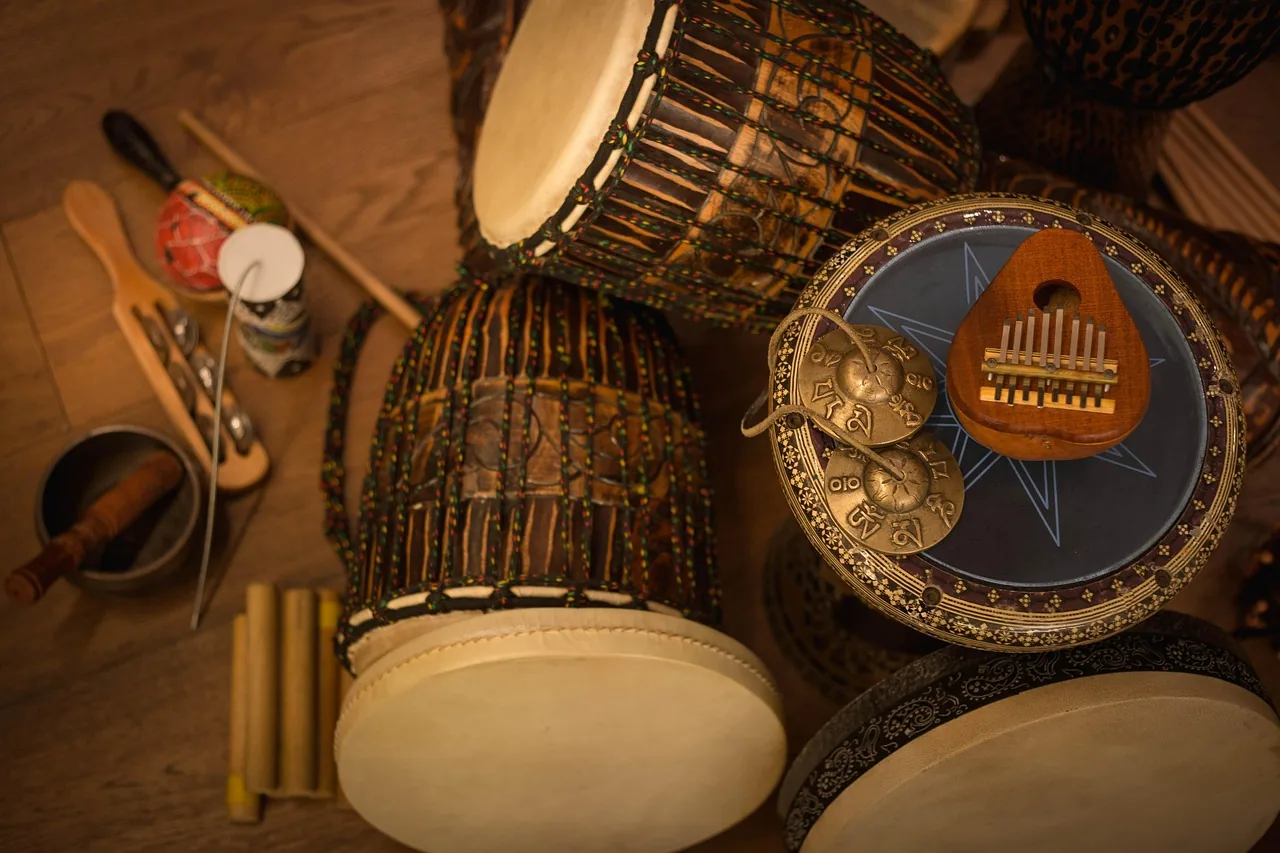
The physical principle and basic movement
Play a sustained note, then gently press the frame down to close the cavity. Lifting the frame opens it and creates the “wah.” Repeat the movement steadily to hear the modulation.
Progressive exercises
Start with one long note. Then alternate between two notes to feel the effect as you move. Finally, repeat a short four-note pattern. For example: one sustained note → two alternating notes → a short pattern.
Rhythm and a performance tip
Synchronize the movement with the musical beat to make the effect part of your playing. Near a table, the open back increases projection. This helps the musician emphasize resonance without forcing the sound.
Tip: listen to the strength of the effect. If it is too slight, it remains subtle; if the movement is too strong, it creates unwanted noise and reduces clarity.
With a little practice, you will connect movements of the frame with changes in resonance and tone. The result is a lively, expressive sound that is easy to use in an accompaniment.
Playing comfort: tine ergonomics and smooth movement between notes
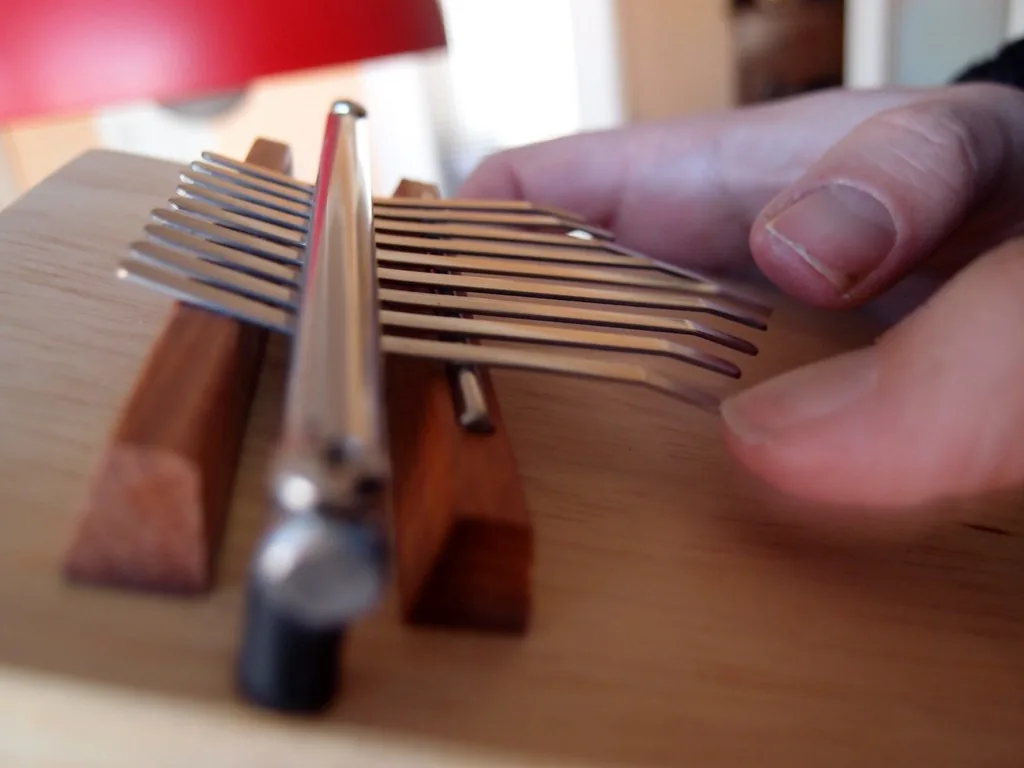
The ends of some tines are deliberately curved to improve contact with the thumb. This design affects how the instrument feels in your hands and how the piano feels under your fingers.
Why curve a tine? The curve gives the thumb a better grip. The attack becomes cleaner and accuracy improves, especially in fast passages.
The alignment and layout of the tines also make transitions easier. You can move from one note to another effortlessly, which helps with repeated patterns and arpeggios.
A simple sign of quality: check that the tines are aligned, their heights are even and there are no sharp edges along the sides of the tines. These signs point to a well-made model.
Practical test: play a slow ascending run, then descend. If your thumb catches the tines easily, that is a good sign. It also suggests lasting comfort during longer sessions.
“Ergonomics matter as much as sound: a comfortable instrument invites you to play more often.”
In short, good ergonomics encourage practice and reduce fatigue. Consider this before buying; it affects your enjoyment of playing as much as the sound.
Kalimba, mbira, sanza and Sansula: perceived differences and reality
The names often overlap, but the differences mainly come down to context and construction. In practice, several terms describe closely related instruments. Their cultural context and history explain the distinctions.
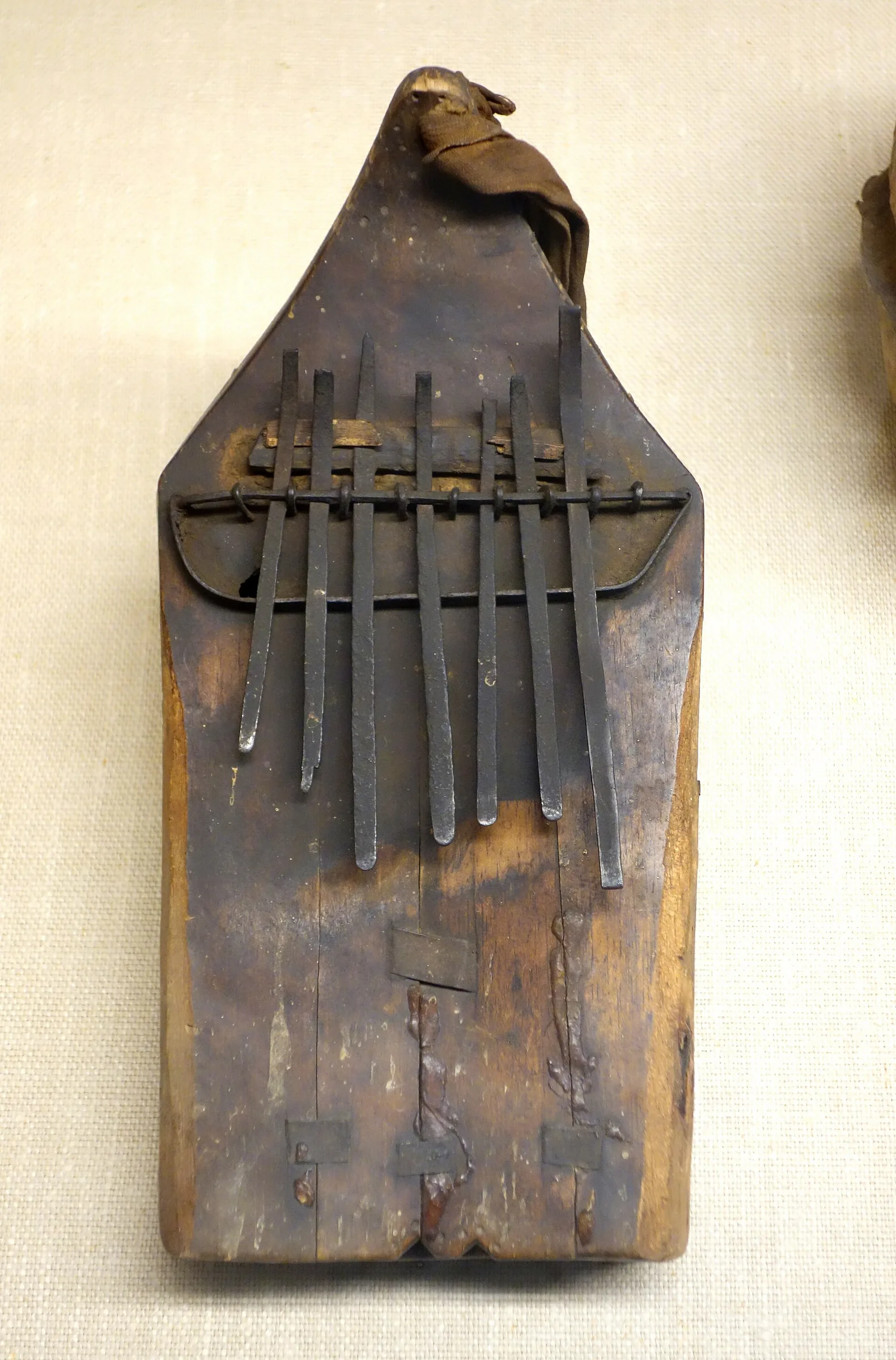
What they have in common
All have metal tines that you pluck with your thumbs. This idiophone principle produces a direct sound that is easy to explore.
These instruments encourage listening, improvisation and repeated patterns to accompany soothing music.
What really changes
Tunings and cultural roles vary: the mbira is an ancient instrument emblematic of Zimbabwe and is often associated with rituals. Modern formats standardize the notes for broader use.
The Sansula is a contemporary invention with a membrane and an open back, which change note duration and sound projection.
“The difference is more than a name: musical purpose and construction also matter.”
To compare these instruments and choose one for your needs, see our guide comparing the kalimba and mbira. If you seek tradition, consider the mbira; for accessibility, the kalimba; and for notes that ring out longer, the Sansula.
Choosing a Hokema model: practical criteria before buying
Before buying, decide where you will use the instrument most often. That alone will narrow your options.
Synthetic or animal skin
Synthetic membrane: durable, stable in humid conditions and suited to travel. It needs little maintenance.
Animal skin: a warmer sound, but greater sensitivity. It requires regular care and is vulnerable to changes in tension and damage during travel.
Major or minor scale
The key shapes the sound world. A major scale gives a bright, open sound. The minor scale, which is commonly offered, creates a more intimate atmosphere suited to instinctive melodies.
Build quality and materials
Check the accuracy of the notes, the absence of unwanted vibrations and the stability of the tuning. The type of wood, quality of the tines and finishing around the membrane affect how well the notes hold and how long the instrument lasts.
- Start by defining your use: home, stage or travel.
- Choose the membrane according to the durability you need.
- Listen to demonstrations and test how the tines feel to play.
- Consider the climate and the maintenance required.
| Criterion | Impact | Advice |
|---|---|---|
| Use | Determines durability and size | Prioritize portability or comfort at home |
| Membrane | Durability or warmth of sound | Synthetic for travel, animal skin for warmth |
| Construction | Tuning stability, consistency of notes | Look for careful finishing and quality tines |
| Wood & materials | Tone and longevity | Favor stable woods and carefully applied finishes |
Practical tip: compare several models by listening to demonstrations, then assess their ergonomics and actual maintenance needs before buying.
Price and value for money: what to expect in France
Understanding the real cost helps you set a sensible budget for a purchase in France.
Approximate prices: expect to pay around €50 for a mid-range 17-tine instrument. A 9-key model with a membrane often costs close to €100. Versions described as “deluxe” can exceed €200, depending on the finish.
The price difference reflects the complexity of construction. Setting the instrument into the membrane, adjusting the frame and performing final checks take more work. Materials such as the type of wood, skins and tines also add to the cost.
Is it worth the expense? If you mainly want its distinctive sound—long-lasting notes and a wah-wah effect—the price may be justified. If you want to play a wider repertoire or need a greater range, a 17-tine instrument often offers more notes for the money.
- Check tuning stability and tine consistency, not just the design.
- Consider how you will use it: home, stage or travel affects the choice of materials.
- Weigh its distinctive sound against range and versatility.
| Budget | Example | Advantage |
|---|---|---|
| Around €50 | 17 tines, mid-range | Wider range, good value per note |
| Around €100 | 9 keys with a membrane | Long-lasting notes, airy tone |
| Over €200 | High-end models | Finish, premium materials |
Tip: test the sound and listen to how long the notes last. This will help you choose the best quality for your budget.
Transport, durability and everyday use
Everyday use quickly reveals the strengths and limitations of its design.
Size and shape
The oval frame includes a body similar to a small drum. This makes it bulkier than a very compact instrument.
As a result, you cannot always slip it into a pocket. It needs a case or a larger bag.
Membrane fragility
The membrane, often made from skin, remains the vulnerable part. An impact, an overstuffed bag or changes in humidity can cause it to crack.
If the skin cracks, repairing it by hand is often difficult or even impossible, according to user reports. Keep this in mind if you plan to transport the instrument frequently.
“Treat it as a fragile object: prevention is better than repair.”
- Risky situations: a compressed bag, impacts during travel and direct exposure to heat.
- Time also matters: aging and small seasonal changes in tension alter the sound.
- Practical question: will you use the instrument at home or on the move? The answer affects your other choices.
| Aspect | Risk | Practical advice |
|---|---|---|
| Size | Bag too tight, impossible to carry in a pocket | Rigid case or dedicated bag |
| Membrane | Cracking, seasonal changes in tension | Avoid heat and moisture; check it regularly |
| Long journeys | Pressure and impacts on planes or trains | Do not place anything on top; store it flat and protect it |
If you mainly play at home, comfort and the color of the wood and other materials become more important. For travel, prioritize regular care and rigid protection.
To try a model before buying, see the Sansula and assess its size, weight and maintenance needs.
Maintenance: preserving beautiful resonance over time
A few simple habits are enough to preserve the beauty of its tone. Regular maintenance protects the metal tines, membrane and wooden frame. This care preserves sound quality over the long term.
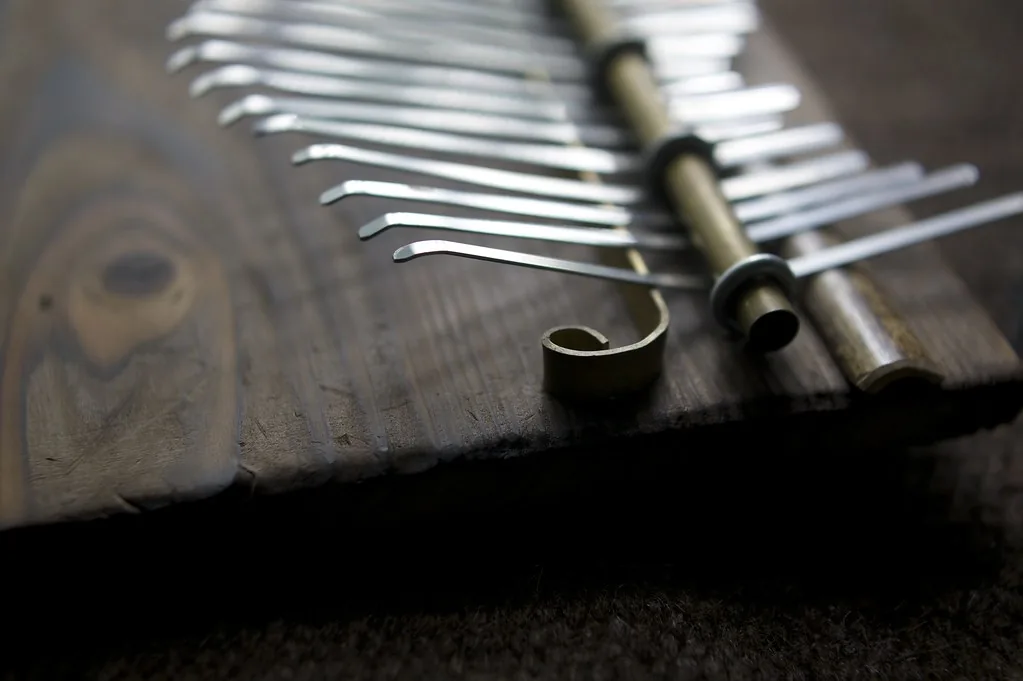
Cleaning the tines and preventing oxidation
Wipe the tines with a soft cloth after each use to limit oxidation. Do not use abrasives or strong alcohol: they can damage the metal and the finish on the wood.
Managing humidity and tension through the seasons
Membrane tension changes with humidity. In winter, it may slacken; in summer, it tightens. Store the instrument away from sunlight and moisture to preserve its resonance.
Tuning and small adjustments
If the notes sound out of tune or produce beating, the instrument needs retuning. Work in small steps: adjust the position of the tines slightly to avoid bending the metal or throwing the instrument out of balance.
Tip: a simple routine—wiping, dry storage and seasonal checks—is enough to maintain a beautiful sound.
Practical exercises for faster progress
Start with a short routine to build good playing habits.
A 10-minute routine: warm-up, pattern, wah-wah and cool-down
Structure: 2 minutes of warm-up, 4 minutes on a pattern, 2 minutes of wah-wah and 2 minutes of cool-down.
Warm up by slowly playing 3 to 5 notes ascending, then descending. This steadies your movements and improves consistency.
Instinctive melody ideas in A minor for beginners
Create a simple loop in A minor: A, C, E, C. Repeat it while keeping a steady tempo.
Create short question-and-answer phrases of 2 to 4 beats. They sound natural without requiring extensive theory knowledge.
Moving from free play to structured playing: tempo, consistency and dynamics
Start freely, then settle into a tempo. Add accents and changes in volume to give your playing a musical shape.
Practice the wah-wah effect by pressing the frame against your knees, then lifting it, before adding the movement to a pattern. The effect is more audible near a table.
“Short, regular practice sessions encourage faster progress and a clearer sound.”
| Step | Duration | Goal |
|---|---|---|
| Warm-up | 2 min | Steady movements, consistent notes |
| Pattern | 4 min | Steady tempo, clear sounds |
| Wah-wah | 2 min | Control of dynamics and the air cavity |
| Cool-down | 2 min | Listening, a softly played short phrase |
To explore the method further and discover more advanced routines, see these advanced techniques for improving. They complement your daily practice.
Conclusion
Remember the essentials about this hybrid instrument and how to use it.
Origin, design and sound: a modern invention from 2001, based on tines mounted on a membrane. The result is a crystalline tone, long-lasting notes and a characteristic wah-wah effect.
Playing: a seated posture, active thumbs, simple patterns and progress through short routines. A daily 10-minute routine helps you master modulation and dynamics.
Expectations and limitations: an ideal instrument for creating atmosphere, relaxing and improvising. Bear in mind the limited number of notes on 9-tine models and the membrane’s possible fragility during transport.
Action plan: choose a model based on your use—synthetic membrane for travel, animal skin for a warmer sound—follow the routine and record your patterns to track your progress.