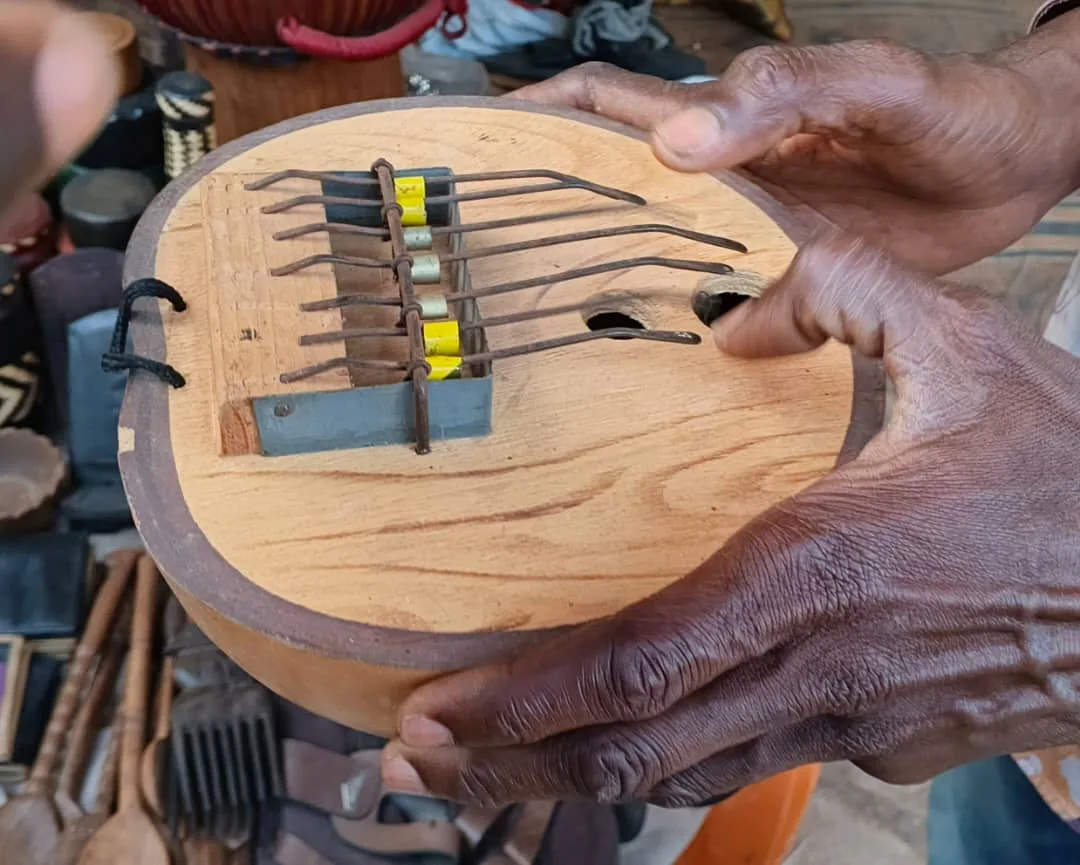
2025: this guide helps you choose the best accessories for your skill level, budget and needs, whether you play at home, in lessons or on the go.
The right equipment quickly improves your playing experience: it provides accuracy, comfort and protection, and helps you progress. Accurate notes depend mainly on adjusting the tines, and a tuning hammer is the essential tool; an electronic tuner costing about €20 makes tuning easier.
We present a selection of products, including categories, selection criteria, mistakes to avoid and price guides (a hammer for about €12, a stand for about €11, a tuner for about €20 and bags from €30 to €55).
Four essentials: tuning hammer, case, stickers and stand. Additional accessories (a tuner, microphone, cleaning supplies and tremolo chain) follow.
To choose: if you are a beginner, prioritize stickers and a booklet; if you play often, choose a padded case; if you travel with the instrument, get a sturdy bag; if you record, get a microphone and tuner.
To see a complete kit, delivery details and reviews, explore this kit available in the store.
Why invest in kalimba accessories in 2025
In 2025, choosing your equipment carefully changes how you play and listen to this instrument.
Accurate tuning and sound quality. Stable tuning immediately improves the perceived quality of the music.
A poorly tuned instrument can be discouraging, even if it is well made. A tuner or adjustment tool helps you set the tines precisely and keep melodies clear.
Protection for the wood and tines. Wood reacts to humidity and dust. Impacts during transport can damage the body and affect how the tines vibrate.
A waterproof case and a dry cloth preserve the sound and extend the instrument’s life.
Faster learning. Visual markers and learning aids help beginners and children remember the notes. They can play simple melodies from their first sessions and become more independent.
Hand comfort. Long sessions tire the thumbs and nails, so small guards reduce irritation and improve playing technique. Practice becomes more regular and enjoyable.
Benefits for regular players. Stable tuning makes maintenance easier and gives consistent results in rehearsals and recordings. It is a practical investment, not a gimmick.
For detailed advice and a selection of essentials, see our kalimba guide.
Next, you will find a list and comparison to help you buy useful accessories and improve your playing.
Kalimba accessories: tuning hammer, case, stickers, stand
A small selection of tools covers 80% of playing situations. Here are the items to prioritize according to your budget and needs.

Tuning hammer
Purpose: adjust the pitch of the tines to produce stable notes.
It is useful for everyone, including beginners who want reliable notes. Guide price: about €12.
Case or bag
Use: storage at home or transport when travelling.
A padded case protects against impacts, dust and moisture. Bags cost €30 to €55, depending on the type and colour.
Note stickers
Visual markers help you memorize the notes more quickly.
They help you follow simple sheet music without mistakes and make learning easier.
Table stand
Stability and playing angle improve hand position and comfort.
A wooden stand adds an attractive touch, while a transparent model is discreet. Guide price: about €11.
| Product | Function | Suitable for | Guide price |
|---|---|---|---|
| Kalimba Hammer or Tuning Hammer | Tine adjustment and accurate tuning | Beginners and experienced players | €11.99 to €12.99 |
| Storage case or bag | Protection and transport | Use at home or on the go | €29.99 to €54.99 |
| Note stickers | Visual markers on the tines | Beginners | Inexpensive (kit) |
| Stand (wooden or transparent) | Stability and playing angle | Everyone | €10.99 |
Coming up: detailed tuning advice (hammer and tuner), followed by a comparison of bags and learning aids.
Tuning hammer and tuner: tune accurately without mistakes
Precise adjustment lets even a basic instrument produce melodies with accurate notes.
How it works: gently tapping the end of a steel tine slides it over the bridge. This slight movement changes the vibrating length and therefore the pitch of the note.
How to use the tool
Check each note in turn with the tuner. Make small adjustments: tap, listen again, then recheck. Settle each note before moving to the next. This approach avoids creating other tuning problems.
Which equipment to choose
The hammer remains essential. Combining a hammer with a tuner gives the best accuracy, especially if your ear is not trained.
- Kalimba Hammer at €12.99: comfortable to hold and ideal if you tune your instrument often.
- Tuning Hammer at €11.99: lightweight and practical for occasional use.
- Tuner (€19.99): simple and reliable for basic use.
- Electronic tuner (€21.99): better sensitivity and faster readings.
Common mistakes and good practices
Avoid striking too hard or changing a note too much at once. Do not tune in a noisy environment. Check the same notes several times.
Care for the instrument: keep the steel tines clean, avoid moisture and handle it gently. These habits preserve tuning stability and sound quality.
| Item | Use | Main benefit | Guide price |
|---|---|---|---|
| Kalimba Hammer | Frequent adjustments | Sturdy, comfortable grip | €12.99 |
| Tuning Hammer | Occasional adjustments | Lightweight and affordable | €11.99 |
| Tuner | Quick checks | Easy to use | €19.99 |
| Electronic tuner | Fine adjustments | Sensitivity and stability | €21.99 |
For a complete guide to care and step-by-step tuning, see our reference guide, which brings together customer reviews and practical advice.
Cases, covers and carry bags: everyday protection and convenience
Suitable protection reduces the need to retune and preserves sound quality. An impact can bend the tines, damage the wood and require frequent retuning. Investing in a case or bag saves you that trouble.
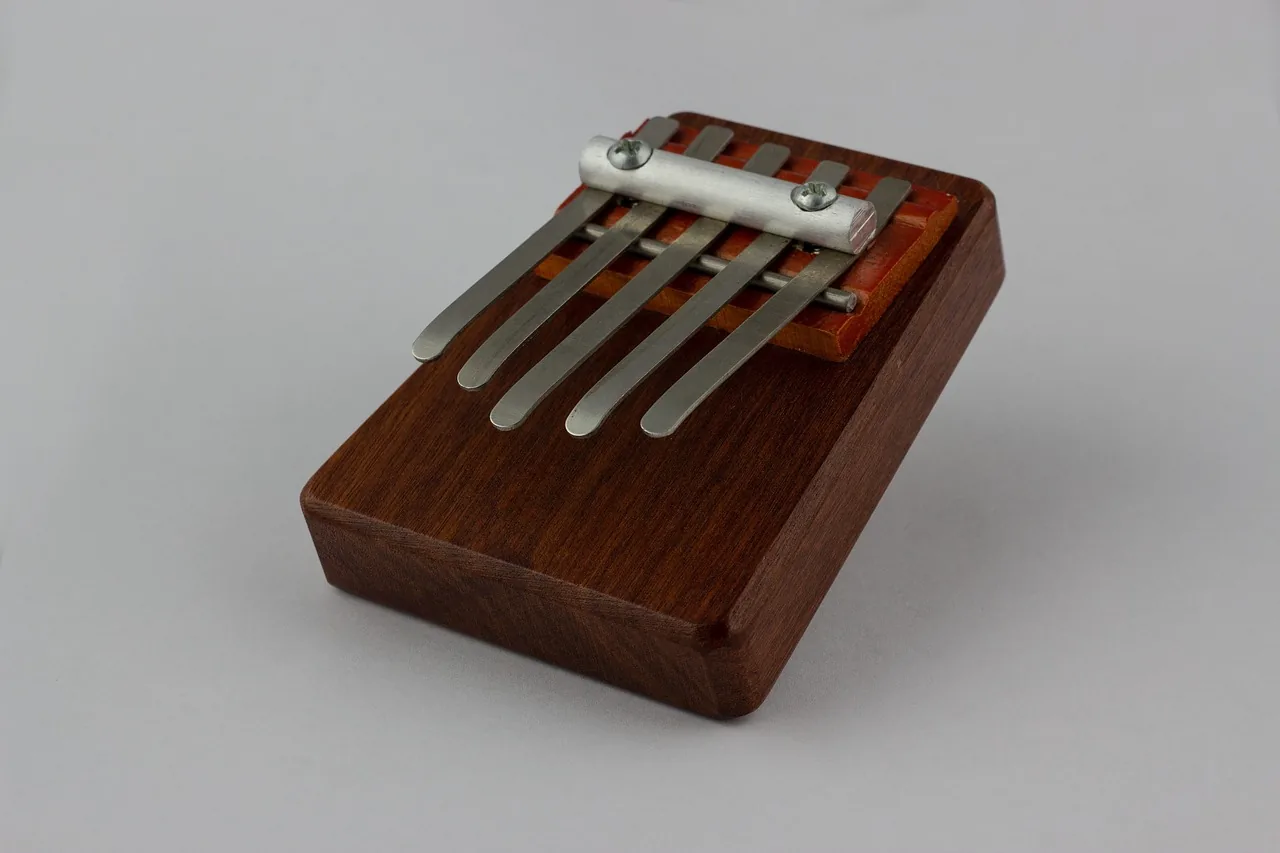
Key criteria: water resistance, foam padding, a reliable closure, a comfortable handle and an interior compartment to store the hammer with the instrument. A dry cloth is enough to remove dust and protect the materials.
Choose according to your needs: a light case for storage at home, a reinforced bag for lessons or a premium carry case for frequent travel. Dimensions of a practical kit: 23 × 19 × 6 cm; total weight: about 650 g.
| Product | Benefit | Suitable for | Price |
|---|---|---|---|
| Storage Bag | Essential and lightweight | Small budgets or use at home | €29.99 |
| Gecko Bag | Reinforced for regular transport | Lessons and travel | €39.99 |
| Premium Carry Case | Maximum protection and refined finish | Frequent travel | €54.99 |
Customer assurances: dispatch within 48 hours, free delivery in France, Belgium and Switzerland, returns within 14 days and a two-year legal warranty. A well-protected instrument stays stable, remains more enjoyable to play and lasts longer.
Once the instrument is protected, turn to learning aids and practical resources, such as this practical guide or this selection of useful accessories.
Stickers, booklets and sheet music: learn faster as a beginner
Visual markers and short guides make it easier to learn your first notes. They help beginners and children play simple tunes thanks to a more direct way of reading the tines.
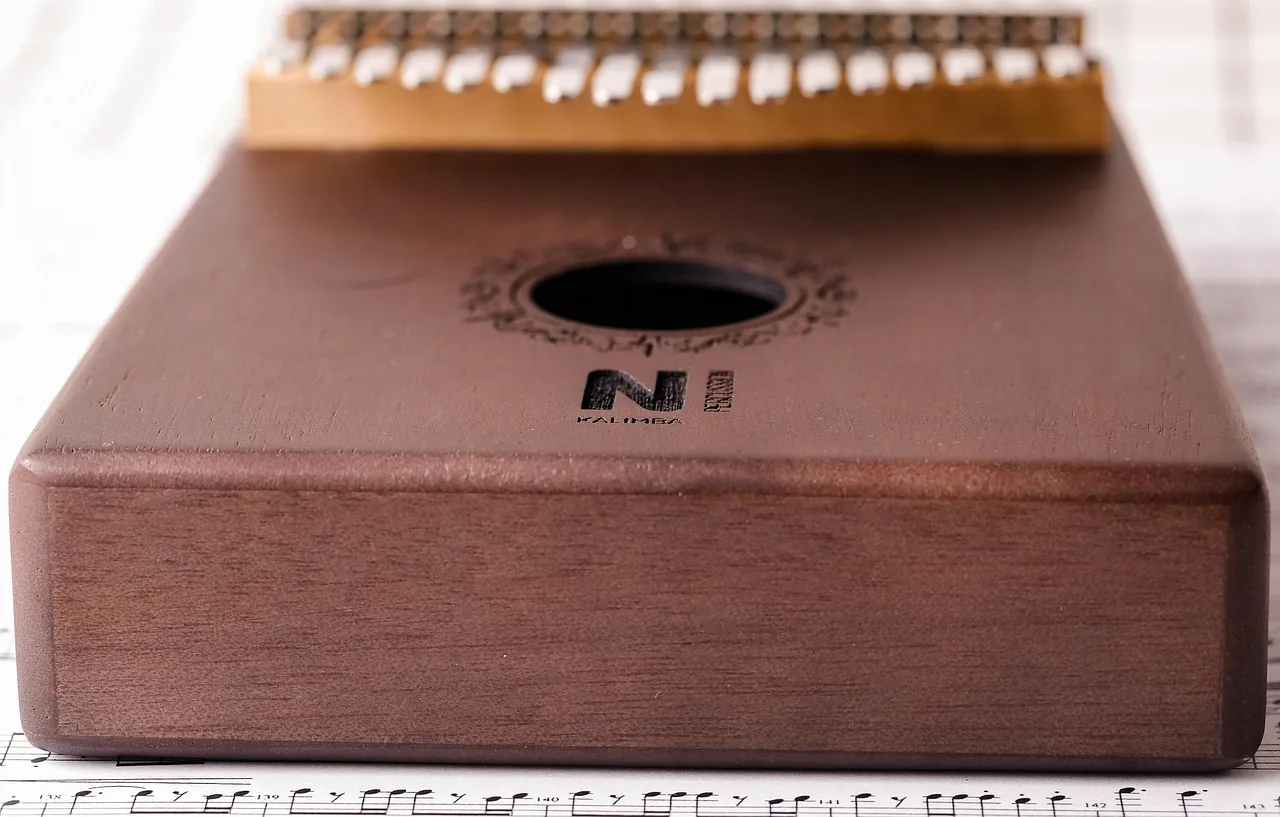
Placing stickers and learning gradually
Place stickers on each tine, checking that the note names are legible and consistent. Test their positions before sticking them down permanently: position them, play, then secure them.
To move beyond the stickers gradually: 1) play with the markers; 2) remove those on the central notes; 3) gradually remove the others as you memorize the tines.
The booklet and practice
A useful booklet explains hand posture and provides simple exercises and introductory sheet music. The result: saved time, fewer mistakes and better thumb position.
Resources and comfort
The Beginner Kalimba Tutorial (€9.97) supports you through the first few weeks and helps prevent bad habits. Two thumb guards prevent irritation during long sessions, especially if you have short nails.
| Item | Function | Suitable for |
|---|---|---|
| Sticker set | Visual markers on the tines | Beginners and children |
| Learning booklet | Posture, sheet music and exercises | Beginners |
| Thumb guards | Comfort during long sessions | Everyone |
Tip: reading sheet music more easily helps you notice quickly when the instrument needs tuning, which keeps you motivated. Additional accessories can then improve your experience further.
Stands, care and additional accessories that make a difference
Small technical accessories offer real benefits when you want to record or perform in public.

Choosing a suitable stand
Why use one: a stand steadies the instrument on a table, improves hand position and prevents it from slipping while you play.
Two types have the same guide price (€10.99): a discreet transparent model and a warm, decorative wooden model. The choice depends on your instrument’s colour and finish.
Practical criteria
- Surface type: on a desk or sturdy table, choose a non-slip model.
- Stability: choose a wide base if you play seated.
- Size: check the height if you often put the instrument away.
Minimal but essential care
A soft cloth is enough to remove dust and protect the materials. Wood is sensitive to moisture: store the instrument somewhere sheltered and avoid prolonged exposure.
A simple rule: dust it regularly, do not use water, and keep it in a dry place to preserve the wood for years.
Microphone and effects: take the next step
Microphone (€44.99): ideal for amplification, recording or public performance. It improves the sound and makes it easier to capture the instrument’s harmonics.
Tremolo chain (€10.99): adds an effect, personalizes the sound and enriches your musical style. This small accessory changes how you can express yourself.
| Product | Function | Guide price |
|---|---|---|
| Transparent or wooden stand | Stability and appearance | €10.99 |
| Microphone | Recording and amplification | €44.99 |
| Tremolo chain | Sound effect | €10.99 |
Who are they for? Motivated beginner: a stand and regular care. Regular player: a microphone. Sound enthusiast: a microphone and tremolo chain. These choices support lasting, practical purchases suited to the French market.
Conclusion
A few simple choices can improve your musical experience for years to come.
Purchase priorities: start with tuning (a hammer and/or tuner), then protect the instrument with a case or bag. Add markers and a booklet to speed up learning, then consider hand comfort.
The biggest improvement in quality comes from accurate tuning: a well-tuned instrument makes music more enjoyable and encourages practice. For your budget: lower-cost items include the hammer, stand and tremolo chain; mid-priced items include the tuner and bag; the microphone is the largest investment.
Customer assurances and delivery: dispatch within 48 hours, free delivery in France, Belgium and Switzerland, returns within 14 days and a two-year legal warranty. The store is rated 4.6/5 (more than 300 reviews), and a tree is planted in Tanzania for every order.
Check that your basket contains the essential accessories, then add options suited to your needs. See the kit and practical details on the product page: Kimi Kalimba – kit and accessories.